Tire Balancing vs. Wheel Alignment: What's the Difference?
By Korey Smith
Published 01/08/2026
Have you ever thought your car needs an alignment, only to discover you actually need your tires balanced? You’re certainly not alone, this happens a lot. When it comes to car maintenance, the line between tire balancing vs alignment can get blurry in a hurry. For starters, both services are concerned with the way your car drives. They also both impact the life of your tires. Despite the similarities, the difference between wheel alignment and balancing is greater than many drivers might consider at first glance.
What is tire balancing? It’s a process that involves evenly distributing the weight across your tires and wheels, thereby limiting the vibrations you might feel in the steering wheel or seat. Wheel alignment is all about adjusting suspension angles so your tires point in the right direction and make optimal contact with the road.
Tire balancing is about smoothness, while wheel alignment is about steering accuracy.
What Is Tire Balancing?
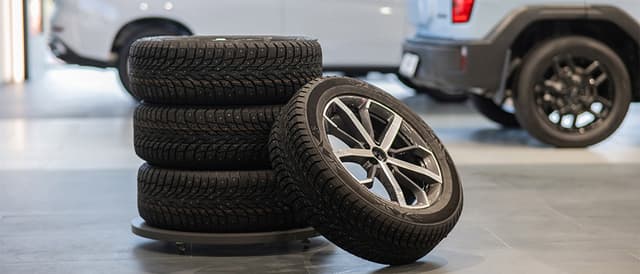
Tire balancing is the process of making sure your tires and wheels rotate evenly without wobbling or shaking. Every tire is manufactured with small imperfections. Factory-fresh tires are no exception. In addition, wheels aren’t perfectly round and can feature slight weight variances. If those minor imperfections are left unmanaged, you’ll quickly experience vibrations in the steering wheel or seat. Tire balancing helps address the underlying issue by 'balancing' the weight around the tire-and-wheel assembly.
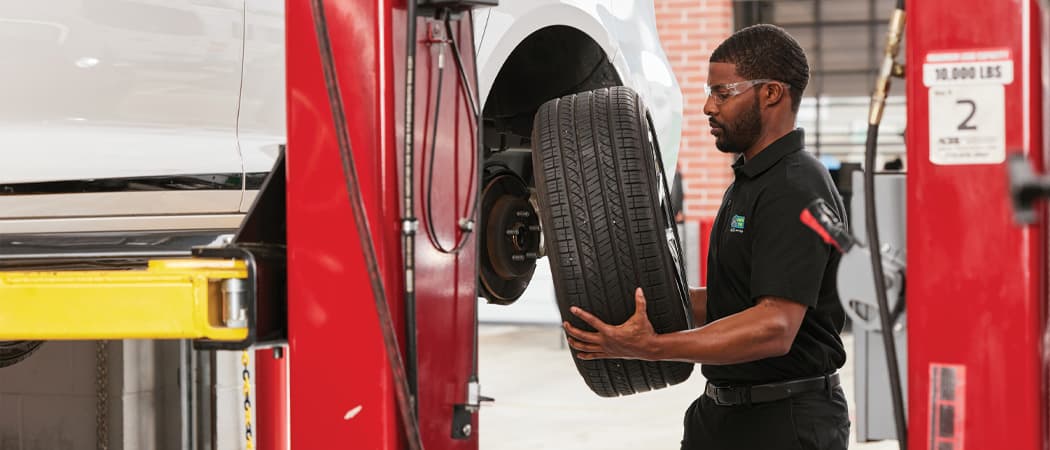
Tire balancing is a simple job, provided you have the right specialty tools. Technicians start the process by mounting your wheel and tire on a balancing machine, which spins it at a high speed to diagnose where the heavy spots are located. From there, technicians attach weights to the rim. These weights help distribute the weight across uneven areas, making sure the wheel spins smoothly. It’s similar to a load of laundry spinning around the washing machine. If the heavier clothing ends up on one side, the drum will shake violently. If the weight is distributed evenly, it rotates around without an issue.
Why is Tire Balancing Important?
Balanced tires provide a smoother, more comfortable driving experience. Without balanced tires, you’ll feel the road beneath in the form of vibrating seats, steering wheels, and even the floorboard. This is doubly true when traveling at highway speeds. Balancing tires can also help preserve your suspension and steering components by reducing strain. The more you drive, the more those vibrations can wreak havoc on your shocks, struts, and bearings, opening the door to expensive repairs. Finally, balanced tires have a longer shelf life because they’re protected from uneven wear.
Do I Need Tire Balancing?
One of the most telling alignment vs balancing symptoms would be vibration when traveling between 40 and 70 mph.
Tire balancing is also considered preventative maintenance. The service is useful anytime you purchase new tires, after you have your tires rotated, if you just hit a pothole, or have been driving between 5,000 and 6,000 miles. When performed at regular intervals, this makes sure that your car drives smoothly. Tire balancing is all about comfort, protection, and supporting the lifespan of your tires. It’s a quick service that pays dividends down the road.
What is Wheel Alignment?
Wheel alignment is the process of optimizing the angles at which your tires make contact with the road. Alignment involves making calculated adjustments to your car’s suspension system, which has the important job of connecting your wheels with the rest of the vehicle. The more you drive, you’ll inevitably encounter road bumps, potholes, curbs, and the effects of regular wear and tear. All of these things can knock your wheels out of proper alignment. Even a small misalignment issue can cause serious problems to your vehicle’s handling, safety, and tire life.
Precision is key when it comes to wheel alignment. A professional mechanic utilizes specialty equipment to measure three critical angles:
Camber: the tilt of the wheels inward or outward when viewed from the front.
Caster: the angle of the steering axis when viewed from the side.
Toe: whether the tires point inward (referred to as toe-in) or outward (toe-out) when viewed from above.
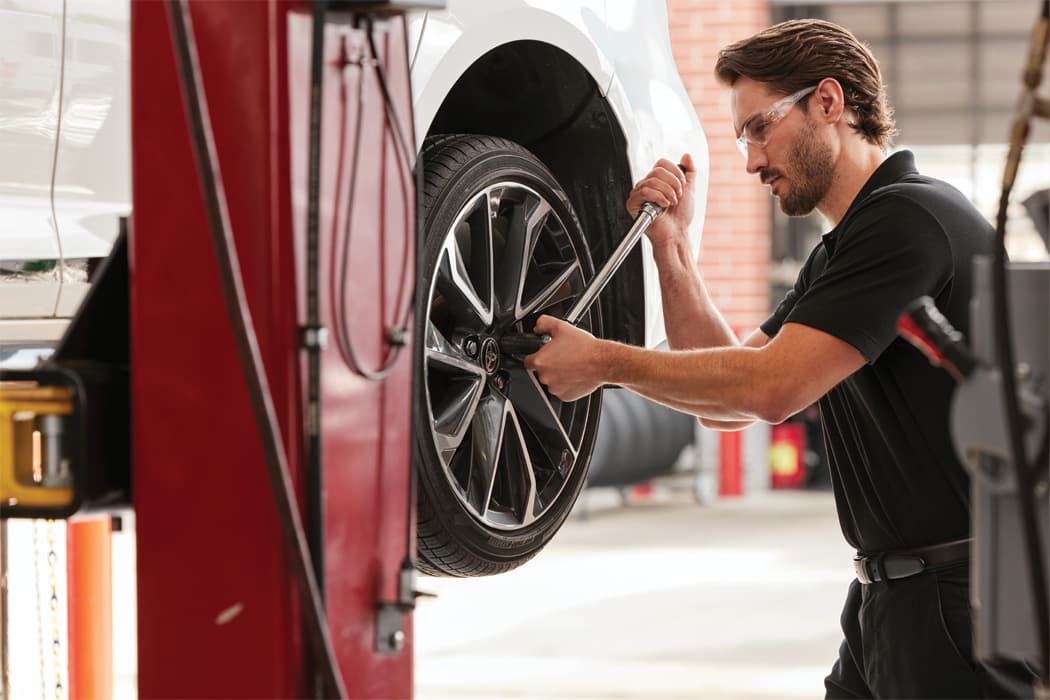
If any of these angles are out of alignment, the technician will make minor adjustments to restore them to the factory setting. The objective is to make sure all four tires are pointing straight, sitting flat, and tracking properly.
Why is Wheel Alignment Important?
Optimal wheel alignment makes sure that your tires are angled to the car manufacturers specifications, so your car drives straight and responds as expected. Without regular alignment service, your car can pull to one side, the steering wheel can feel off-center, or you’ll experience more accelerated tread wear on your tires. If you don’t address alignment issues in a timely way, you may shorten the life of your tires, decrease your fuel economy, and add more strain to the engine because it’s working harder than necessary.
Wheel alignment is also different than tire rotation. Rotation is the process of moving tires front to back or side to side to prevent uneven tread wear, while alignment is all about making precise adjustments to your suspension angles. One service keeps tire wear even, while the other ensures your car drives as expected without any surprises.
Do I Need Wheel Alignment?
Wheel alignment is necessary when you notice the car drifts or pulls when driving on a straight road, the steering wheel feels “loose” or off-center, or you notice uneven tread wear patterns forming on your tires. If you see any of these signs, we recommend you have your vehicle inspected as soon as possible. Alignment helps you optimize your vehicle’s control, handling, and lifespan.
Key Differences Between Balancing and Alignment
Tire balancing is concerned with weight distribution. It’s just like running a load of laundry with everything on one side. The spin cycle shakes and rattles until the weight eventually evens out. This is exactly what happens when you find your wheels out of balance. To remedy this, mechanics add small weight to the rim to cancel out the heavy spots, allowing your car to drive smoother at a wide range of speeds. You may potentially have a tire balance issue if you’ve been experiencing a vibrating steering wheel, seat, or floorboard. Those vibrations are especially noticeable when driving at highway speeds.
On the other hand, wheel alignment is concerned with tire angles and tracking. As opposed to vibration, the symptoms can include your car veering to one side of the road, feeling an off-center steering wheel, or uneven tread wear on your tires. Unlike balancing, mechanics don’t add weights to fix the issue. Instead, they make precise adjustments to suspension components that affect the camber, caster, and toe to align with the vehicle’s factory settings. Optimal alignment is what helps keep your car driving straight, responsive when handling, and making sure you get the most mileage possible out of your tires because they distribute the workload more evenly.
Let’s break the differences down:
Balancing = Smooth rides (fixes vibration) - this one is more about comfort.
Alignment = Straight tracking (fixes pulling and uneven tread wear) - this one is more about control.
Symptoms: Balancing vs Alignment (How to Tell Which You Need)
When your car starts having issues, it can be difficult to determine whether you need balancing or alignment. Fortunately, these symptoms are distinct from one another:
Signs You Need Tire Balancing
If you recently noticed your steering wheel, seat, or floorboard is shaking or buzzing, especially when traveling at highway speeds, you likely have a balancing issue. The higher your speed, the more noticeable that vibration can become. You may notice that the vibration comes and goes around certain speeds, while another sign is that the tire and wheel assembly are out of balance.
Signs You Need Wheel Alignment
If your car tends to pull to one side of the road as you’re driving straight, this is likely an alignment issue. Uneven tire wear, where the inside edges wear out faster than the outside, is another clear indication of an alignment issue. These alignment problems can also cause the steering wheel to appear crooked, even when you’re driving straight ahead. Unlike balancing, you won’t always feel this right away, but your tires will make it noticeable over time.
Why Both Matter (Safety, Performance, and Tire Longevity)
Both tire balancing and alignment services play an instrumental role in terms of your comfort and safety while driving. Putting these services off doesn’t just make for a bumpy ride, it can also shave years of life off your tires and reduce your braking power.
Safety First
Balanced tires mean your car doesn’t shake when traveling at higher rates of speed. The vibration you’ve been dealing with isn’t just annoying, it also adds strain to your suspension components, steering parts, and even the tires themselves. When it comes to alignment, this makes sure your wheels are pointing in the right direction so that your car tracks straight and is more responsive to your control. Any time the alignment is off, your stopping distance can increase, making cornering less stable.
Performance and Comfort
Balancing tires helps prevent the vibrations you feel in the steering wheel or seat, providing a smoother, quieter driving experience. Alignment also helps the steering feel tighter and centered instead of sloppy or crooked.
Tire Longevity and Cost Savings
The two major contributors to tires wearing out prematurely are unbalanced tires, and improper wheel alignment. While a new set of tires may last up to 50,000 miles, they’re not likely to make it anywhere close to that threshold if the alignment angles are off. Meanwhile, unbalanced tires can develop flat spots or irregular wear that makes for loud noises well before the tread starts to wear out. Paying for balancing and alignment services can actually save you money in the long run by helping your tires run longer.
When to Get Each Service (Mileage & Situations)
Wheel balance and tire alignment services are both part of your ongoing vehicle maintenance and may need to be performed more regularly if you frequently travel through demanding driving conditions, such as offroad, through construction sites, or roads with potholes.
Tire Balancing Timeline
Each time you have new tires installed, balancing service should be part of that process. This isn’t exclusive to new tires, either. You’ll also want tire balancing service performed roughly every 5,000 to 6,000 miles, or anytime you notice vibrations traveling up the steering wheel or seat at highway speeds. Clipping a pothole or curb can also have a serious impact on your vehicle’s weight distribution, so be sure to schedule a tire balancing after one of these mishaps.
Wheel Alignment Timeline
Alignment is performed less often than tire balancing, but is just as critical. As a rule of thumb, seek out alignment service every 6,000 to 10,000 miles of driving, or at least once a year if you drive anywhere with roads in rough condition. Did you recently hit a pothole, run a curb, or get into a minor accident? Have your alignment checked as soon as possible. Have you noticed your car pulls to one side, your steering wheel feels off-center, and/or uneven tire wear? Don’t hesitate to get your vehicle inspected by a trusted expert.
When You Need Both
When you install a new set of tires, it’s always a good choice to balance them and inspect the alignment to help support tire longevity. If you’re not sure what you need, don’t hesitate to speak with a friendly Mavis technician to discuss your options.