Signs Your Car Needs New Shocks or Struts
By Darrin Gilliam
Published 11/11/2025
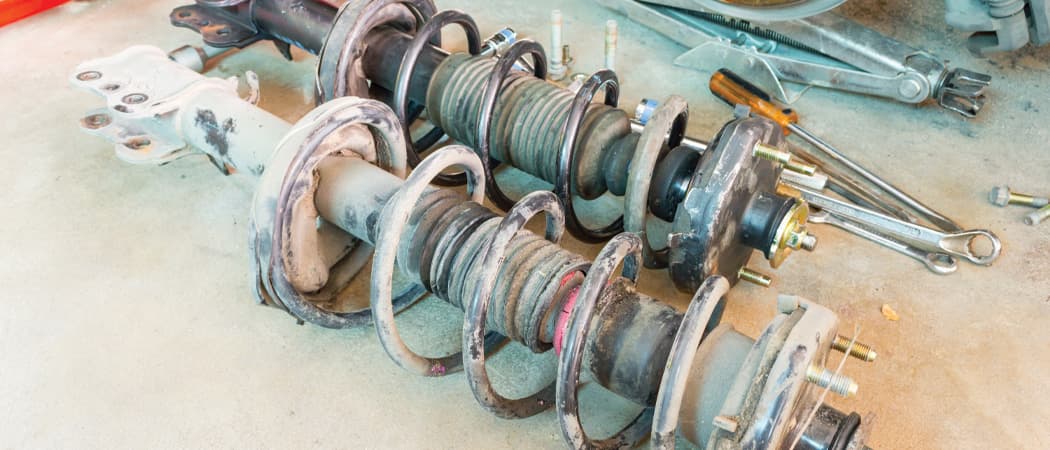
If your car bounces excessively after hitting bumps, dives forward during braking, or feels unstable in turns, these are classic signs your shocks or struts may be worn. Worn suspension components don't just affect ride comfort, they compromise your safety and accelerate tire wear. In this guide, we'll cover the key symptoms of bad shocks and struts, when to replace them, and how ignoring suspension repair signs can lead to costly damage down the road.
What Are Shocks and Struts?
Shocks and struts are key elements in a vehicle’s suspension system that absorb the force of road bumps. They also keep a vehicle’s tires in contact with the pavement and stabilize the vehicle while it is moving. Let’s go into a little more detail about the job of shocks and struts and how they impact driving experience.
Absorbing Bumps
Depending on the road surface, it is normal to come into contact with potholes, dips, and uneven pavement that can negatively impact your vehicle's stability on the road, and your driving experience. Shocks and struts have the job of controlling the up-and-down movement that happens when you hit these unexpected bumps and dips in the road, reducing bouncing and creating a smoother ride. Struts and shocks also protect the other component of the vehicle by reducing the amount of wear and tear and stress they experience from these bumps and divots.
Maintaining Tire Contact
Importantly, shocks and struts allow the tires to maintain a steady and consistent contact with the road. This allows the vehicle to stay in control and stop effectively, while steering and maneuvering safely. Worn shocks and struts can lead to the vehicle losing grip on the road and becoming unstable.
Stabilizing the Vehicle
Shocks and struts reduce body rolling during turns, limit squat when accelerating, and add control during braking.
While it’s important to understand the role of shocks and struts, it’s also critical to recognize the warning signs that something isn’t quite as it should be.
Signs You Need New Shocks or Struts
Like any vehicle component, a certain amount of wear and tear with shocks and struts is normal. If you delay maintenance for too long, it does run the risk of leading to more serious problems down the line.
Excessive Bouncing After Bumps
When shocks or struts lose their damping ability, your vehicle will bounce more after hitting a bump or divot in the road, as opposed to settling more quickly. This type of ‘bouncy ride’ happens because the worn parts aren’t able to absorb and dissipate the impact of the road. The ‘bounce test’ is the best indicator. Push down hard on the fender of your car, and if it bounces more than once or twice when released, your shocks or struts may be worn out.
Nose-Diving or Brake Dive When Stopping
Nose-diving is when your vehicle sharply dips downward during braking, and it’s a sign that your struts and shocks cannot control the weight transfer of your vehicle. This adversely impacts safety because it increases stopping distance and makes emergency braking riskier.
Uneven Tire Wear (Cupping or Scalloping)
Tire wear can be sped up by worn shocks or struts. Shocks and struts allow a vehicle’s tires to maintain contact with the road, and when worn, this causes irregular wear patterns like cupping and scalloping. You’ll notice high and low spots on the tread to indicate wear, but you can also feel the rough and uneven texture. If you want to learn more about uneven tire wear, specifically scalloping and cupping, take a look at our Tire Cupping: Causes, Problems, and Prevention article.
Visible Leaking Hydraulic Fluid
Hydraulic fluid is important in the function of struts and shocks because it’s used to dampen movement. If the internal seal fails, causing hydraulic fluid to leak out, this prevents them from lessening the impact of uneven road surfaces. If you see oil or wetness on the shock or strut body, this is a clear sign that they require replacement.
Clunking Noises Over Bumps
If internal parts of the shock or strut become loose or fail, they can produce clunking, knocking, or banging sounds when driving over bumps and rough pavement. This is the result of metal making contact because of their worn cushioning.
Poor Handling, Drifting, or Swaying in Turns
Over time, shocks and struts lose their ability to control or stabilize a car’s body roll. You might notice your vehicle leaning, swaying, or even feeling slightly out of control around corners and during lane changes.
Risks of Ignoring Suspension Problems
Waiting to address any issues with your suspension system can lead to more serious repairs down the road. One of the main risks is increased stopping distance. Worn shocks and struts can reduce tire grip and stability during braking. This leads to longer stopping distances, skidding, or loss of control.
Worn struts and shocks can also lead to a lack of steering stability, particularly at highway speeds. When suspension degrades, steering response time will increase, particularly when turning. You may also notice your vehicle pulling to one side or requiring overcorrection. This can be especially dangerous when driving on slick or unpaved roads.
Suspension issues can also lead to accelerated tire wear and alignment issues. As the suspension system wears over time, tires will lose the cushioning from road impact. This can lead to uneven tread wear, like cupping and scalloping, which decreases your tires’ lifespan.
Your alignment can also be thrown out of whack, which will accelerate tire wear or strain on other steering components. Take a look at our wheel alignment hub to learn more.
How Often Should You Replace Shocks and Struts?
Most manufacturers recommend replacing shocks and struts between every 50,000 to 100,000 miles. However, if you find yourself consistently driving on rough terrain or carrying heavy loads, count on replacing them on the lower end of that scale. To be safe, we always recommend consulting your owner’s manual.
If you start noticing any of the following symptoms of bad shocks, make sure to visit your local Mavis location or other trusted repair expert for an inspection:
Your vehicle is experiencing excessive bounce, nose-diving during braking, or feels unstable during turns.
You notice unusual patterns of wear and tear on your tires that could resemble cupping or scalloping. This could be a sign that your tires aren’t making even contact with the road.
If you see fluid leaking from the shock or strut housing, there could be an issue with the seal intended to keep hydraulic fluid inside.
If your vehicle is making unusual clunking or rattling noises when driving over bumps or an uneven road, there may be an issue.
If your vehicle requires longer to stop, experiences decreased steering response, or has irregular tire wear, schedule an inspection.
Shock wear is accelerated by factors like rough road conditions, aggressive driving with harsh braking and acceleration, and by frequently carrying heavy loads or towing. Other contributors include contamination from dirt and mud getting into the shock's seals, and exposure to heat or extreme temperatures.
As you can see, shocks and struts aren’t just useful in creating a smooth driving experience for you and your passengers, but they also allow you to hit the road safely. Be sure to closely monitor their condition, and don’t hesitate to schedule an inspection with any questions.