Tire Tread Types Explained: How to Choose the Right Pattern for Your Drive
By Chris Pittman
Published 11/13/2025
When you look at a tire, what do you see? Most drivers see a black rubber circle. At Mavis, drawing on over 75 years of expertise, we see a complex map of engineering designed for one important purpose: keeping your vehicle safely connected to the road.
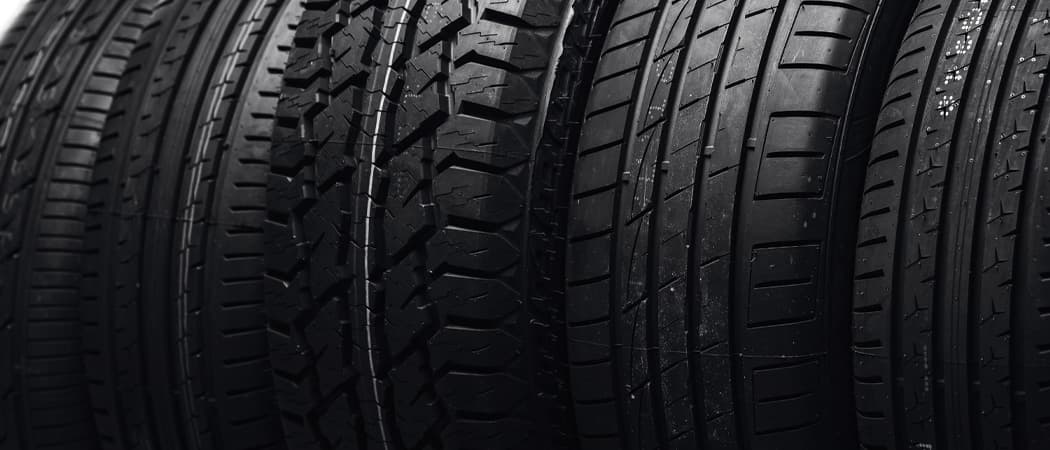
That connection - the contact patch where the rubber literally meets the road - is actually surprisingly small, usually no bigger than your hand! The design etched into that rubber, called the tire tread pattern, is what impacts how your vehicle handles rain, snow, cornering, and braking.
Choosing new tires can feel overwhelming. Things like "asymmetrical" and "directional" are often used without a clear explanation. In this guide we’ll demystify these terms for you, explain how the different tread patterns work, and we’ll help you make a confident decision when choosing your next set of tires.
Key Takeaways: The Basics of Tire Treads
Tread Patterns Matter: The design significantly impacts traction, how your car handles in wet weather, road noise, and even has an impact on fuel efficiency.
Four Main Types: The primary patterns are:
Symmetrical (versatile and quiet)
Directional (excellent wet traction)
Asymmetrical (balanced performance)
Mud/Snow or Winter designs.
Safety First: Good water evacuation in the tread pattern is one of the keys to preventing hydroplaning.
No Perfect Tire: Every tread design has compromises. Understanding the trade-offs between grip, tire life, and comfort is very important.
Maintenance Varies: Some patterns, like directional tires, have specific rotation requirements that will have an effect on both maintenance and longevity.
The Anatomy of a Tire Tread: It’s More Than Just Grooves
Before getting into the specific tread patterns, it helps to understand the parts that make up any tire tread. Think of these as the tools your tire uses to interact with the road:
Tread Blocks: These are the raised rubber segments that make direct contact with the road. Their shape and size have a real effect on grip and stability.
Grooves (Voids): These are the deep channels running circumferentially (around the tire) and laterally (across the tire). Their main job is to evacuate water, slush, and debris from the contact patch of the tire.
Sipes: These are the tiny, razor-thin slits cut directly into the tread blocks. Sipes create thousands of little "biting edges" that grip the road. This is very important for providing grip on ice, light snow, and wet surfaces.
Ribs: Some tires have a continuous rib running down the center. This helps to improve straight-line stability, and it helps with steering response.
The way a tire manufacturer combines these four elements is what determines how the tire performs, and what gives it its specific tread pattern.
Main Tread Types
Similarly to how there are different types of tires on the market for different purposes, there are different tread patterns for different situations. Let’s take a look at what the tire tread patterns' pros and cons are, what their primary use is, and what vehicles will most likely pair well with them.
Symmetrical Tread Patterns: The Versatile Workhorse

Example of Symmetrical Tire Tread Pattern
What They Are: Symmetrical patterns are the most common design found on standard passenger cars. They have the same design across the entire width of the tire - the outer half is a mirror image of the inner half.
These are best for:
Everyday commuting and highway driving.
Drivers who prioritize a quiet and comfortable ride.
Value-conscious drivers who want longevity and flexible maintenance.
Symmetrical tires offer excellent versatility, and their design works with multiple tire rotation patterns (front-to-back, back-to-front, and cross-rotation). This flexibility is a major advantage, and it helps with even treadwear and can significantly extend the life of your tire. While they are dependable in most conditions, they may not offer the specialized grip of other patterns in extreme wet weather.
Asymmetrical Tread Patterns: The Balanced Performer

Example of Asymmetrical Tire Tread Pattern
What They Are: Asymmetrical tires feature different tread designs on the inner and outer halves of the tire. Each side has a different function.
Best For:
Modern sedans, SUVs, crossovers, luxury vehicles.
Drivers who want a balance of high performance dry handling and wet traction.
Better cornering stability.
This is where tire engineering gets really sophisticated. The outer shoulder usually has larger and stiffer tread blocks to give extra stability during hard cornering (this is the "dry zone"). The inner shoulder usually has smaller blocks, and has more grooves and sipes to manage water (this is the "wet zone"). Asymmetrical tires offer an excellent balance of capabilities. However, it is very important that asymmetrical tires are mounted correctly (they have an "Outside" marking on their sidewalls).
Directional (Uni-Directional) Tread Patterns: The Wet Weather Specialist

Example of Directional Tire Tread Pattern
What They Are: Directional tires are designed to roll in only one direction - this is indicated by an arrow on the sidewall. They usually feature a distinct V-shaped pattern pointing toward the front of the vehicle.
The V-shape is very effective when it comes to rapidly channeling water away from the middle of the tire. This helps to reduce the risk of hydroplaning and it improves braking performance on wet roads. However, their specialization comes with a trade-off. Directional tires can only be rotated front-to-back on the same side of the vehicle. They cannot be cross-rotated.
Directional tread patterns are best for:
Drivers in regions with heavy rainfall.
High-performance and sports vehicles looking for extra wet weather traction
Enhanced snow traction (common on dedicated winter tires).
SAFETY FIRST: Understanding Hydroplaning
Hydroplaning (or aquaplaning) happens when a layer of water builds up between the tire and the road surface, causing the tire to lose contact with the pavement entirely. This results in a complete loss of steering and braking control. This is a critical safety issue. Efficient tread patterns, particularly directional designs, are one of the primary defenses against dangerous hydroplaning. If your tread is worn, the risk increases dramatically.
Specialized Patterns (M&S, All-Terrain, Winter)
These patterns are designed for specific, challenging environments, rather than everyday year-round road use.
Mud and Snow (M&S) / All-Terrain (A/T): These have large chunky tread blocks and very wide, deep grooves. This design helps the tire claw through mud, deep snow, or loose gravel. Their design lets debris be easily ejected.
Dedicated Winter Tires: These usually use directional patterns but they are made with specialized rubber compounds and have thousands of tiny sipes, so you get the best grip on ice and snow. Look for the Three-Peak Mountain Snowflake (3PMSF) symbol for proven winter performance.
MAVIS EXPERT INSIGHT: The Reality of Trade-Offs, and the ‘Perfect Tire’
"Customers often ask us for the 'perfect tire.' The truth, based on our decades of experience, is that every tire design involves trade-offs. A tire made for incredible dry grip often uses softer rubber that wears faster. An aggressive tread built for deep snow will likely be noisier and less fuel-efficient on the highway. We’re here to help you understand your priorities - safety, budget, comfort, or performance - and we’ll help you navigate these trade-offs honestly."
How Tread Patterns Impact Your Driving Experience
The tread pattern you choose directly impacts how your car feels, sounds, handles, and performs on the road.
Traction and Handling
Dry Roads: In dry conditions, you want the maximum amount of rubber contacting the road. Asymmetrical and high-performance symmetrical tires excel here.
Wet Roads: Water acts as a lubricant on the road, and that reduces friction. Directional tires and winter tread designs give you the most efficient water evacuation - followed closely by high-quality asymmetrical tires.
Comfort and Road Noise
Tire noise is caused by air compressing and releasing inside the grooves of the tire, as it rolls along the road.
Quieter Designs: Symmetrical tires are usually engineered to be quieter. Manufacturers tend to vary the sizes and shapes of the tread blocks (this is called variable pitch design) to break up the sound waves coming off the tire.
Noisier Designs: Aggressive patterns with big, chunky blocks (like M&S tires) very often generate more road noise - you usually notice this as a "hum" on the highway or at higher speeds
Fuel Efficiency (Rolling Resistance)
Rolling resistance is the energy needed to keep your tire rolling. Lower resistance means better fuel economy, because it is easier for your tire to roll over the pavement.
Streamlined symmetrical patterns usually have lower rolling resistance than aggressive, blocky patterns. If maximizing MPG is your top priority, then tires specifically marked "Low Rolling Resistance" (LRR) are what you want.
The Mavis Perspective: Beyond the Tread Pattern
While understanding the four main patterns is important, the pattern is only part of the equation when it comes to the performance of your tires.
Pattern vs. Compound
The tread pattern determines how the tire interacts with water to keep your tread blocks in contact with the road, yes, but the rubber compound determines how well the tire grips - especially when temperature is a factor.
Dedicated winter tire have special compounds that are engineered to stay flexible in freezing temperatures (below 45°F). If, for example, you put a winter tread pattern on a summer tire compound, the rubber would become hard and brittle in the cold, giving you very little grip. The pattern and the compound have to work together.
Maintenance and Rotation Realities
We rotate tires so all four wear evenly, maximizing their lifespan. However, not all tires are rotated the same way.
Symmetrical Tires: Highly flexible - these can be rotated in any pattern (cross, front-to-back, etc.).
Directional Tires: Need to stay on the same side of the vehicle, can only be rotated front-to-back.
Asymmetrical Tires: Can be cross-rotated, so long as they remain mounted correctly (outside face remains outside).
The Risk of Mixing Treads
We strongly recommend against mixing tread patterns. For the highest level of safety, and predictable handling, all four tires should have the same pattern, brand, and model.
Mixing patterns - especially on the same axle (like one symmetrical and one directional on the front) - is dangerous. The tires will react differently to braking and steering, and that will severely compromise your vehicle’s stability.
Choosing the Right Tread Pattern for You

Picking the best tire tread involves taking a close and honest look at your driving needs, what climate you live in, and your budget.
The Daily Commuter (Longevity, Quiet Ride, Efficiency): A high-quality Symmetrical tire is often your best choice.
The Wet Weather Warrior (Safety, Hydroplaning Resistance): If you live in an area with a lot of heavy rain, a Directional tire can offer the best protection.
The Balanced Performer (Handling, All-Weather Capability, Modern Comfort): For most modern SUVs, crossovers, and sedans, a good Asymmetrical tire will provide a balance of capabilities.
Moving Forward with Confidence
Understanding tire tread patterns shouldn't require an engineering degree. By knowing the basics of how symmetrical, directional, and asymmetrical tires work, you can cut through the confusion and focus on what really matters - finding a tire that gives you the safety, performance, and value you need.
Find Your Perfect Match
Use our easy online tire finder tool to browse tires that fit your specific vehicle and driving needs, or visit one of our 1,600+ conveniently located Mavis stores for an in-person, complimentary consultation.