





Safety Tips: Driving in the Rain
Staying alert while driving is particularly important and more so in situations when your vision is partially obstructed while driving in the rain. Keep both hands on the wheel at all times.
By Chris Pittman
Published 11/13/2025
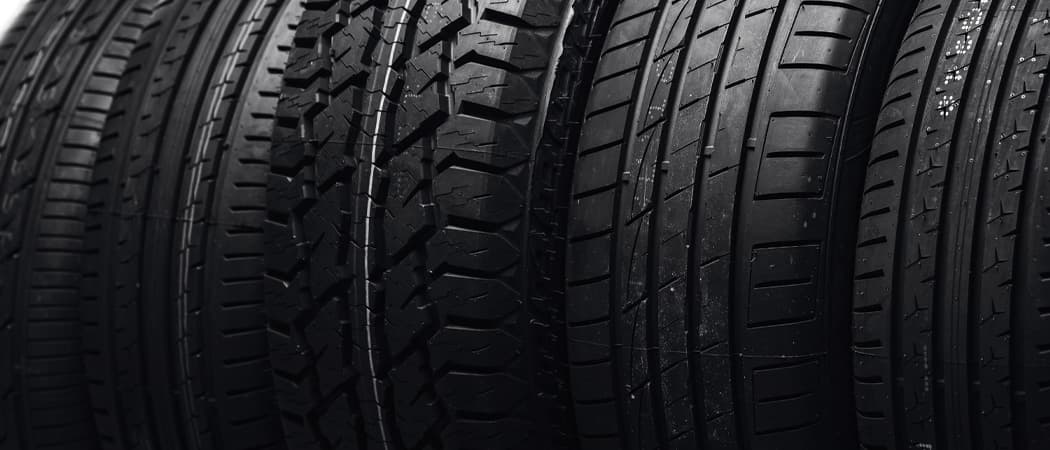
If you've ever wondered why some tires perform better in rain while others excel in snow, the answer lies in tire areas, tread patterns and rubber compounds built into the tire. In this article we will focus on tread patterns which can be explained simply: different tread designs are created to enhance grip, handling and safety in specific driving conditions. In this guide, we'll cover the six main types of tire tread patterns, their pros and cons, and help you choose the best option for your driving needs.
We will go through everything you need to know about why tread patterns matter, what the main types are, how to identify the tire tread types, what tread pattern is right for you, and some of the most frequently asked questions we receive at Mavis about tire tread. Let’s get started.
The tread of a tire is key to your tires’ ability to function in various road conditions. Their main job is to maintain traction and performance in the road conditions they were designed for. It may seem very simple, but how they do it is another thing entirely. Let’s take a closer look at the main reasons why tire tread is so essential in getting you from point A to point B.
Improved Traction and Grip - A tire’s tread allows that tire to grip the road, making sure that it can accelerate, corner, and maneuver effectively.
Safety in Wet and Adverse Conditions – Some tread designs have deep grooves and sipes that slice through water, decreasing the chances of hydroplaning. These design features also make sure that the tires can perform better when braking and steering on wet or snowy roads. As tires wear their tread becomes significantly less effective in wet conditions.
Effective Braking Performance - The recommended tread depth, as determined by the tire’s manufacturer, could enable shorter stopping distances and improve a vehicles response time in emergencies. Safety is always a top priority when getting behind the wheel, and tread depth is just another piece of that puzzle.
Tire Longevity and Even Wear - Tread design used for the correct/recommended conditions will help prevent premature or uneven wear and tear. By taking care of your tire’s treads, through proper inflation and regular rotation, you promote healthy use and extend the tire’s life and effectiveness.
Comfort, Noise, and Efficiency - A part of a tire’s tread design is to allow for a smooth and quiet ride. This will also reduce rolling resistance and road noise, which can boost fuel economy.
Similarly to how there are different types of tires on the market for different purposes, there are different tread patterns for different situations. Let’s take a look at what the tire tread patterns' pros and cons are, what their primary use is, and what vehicles will most likely pair well with them.
Example of Symmetrical Tire Tread Pattern
When tires have a symmetrical tread pattern, this means that they have the same pattern across the entire width of the wheel. These are a great option for general all-purpose types of conditions. They provide a smoother ride and don’t make a lot of noise. A big benefit is that tires with symmetrical treads are easy to rotate, extending the tread life and, as a result, the life of your tires. They are a pretty durable option and have a longer wear resistance for your daily commutes to and from the office or after school pick-up. If you’re looking for tires that will last, these are a great option for you.
Example of Asymmetrical Tire Tread Pattern
Tires with an asymmetrical tread have two different tread styles on the tires, one on the inside and one on the outside. The inside tread has grooves and channels to move through water efficiently, while the outside tread is made up of larger and stiffer tread blocks to maintain a grip on the road during cornering and dry handling. Asymmetrical tread has a lot of advantages that grab car owners’ attention. For example, because of the multi-functional tread design, they perform well on wet roads. They also function well in dry conditions and have good handling and stability at highway speeds. They can also be rotated in more than one pattern, like symmetrical tires. This is something we do all the time at the shop. It is important that when installed, the technician realize that there is an inside and outside to the tire. Proper mounting on the rim is required. Tires with asymmetrical tread find a good balance between a sporty performance, wet road performance and long-distance comfort, giving you the best of all worlds. An easy way to identify whether or not you have asymmetrical treads is to look at the sidewall of the tire. If they are labeled “Inside” and “Outside,” they are asymmetrical. Here at Mavis, we tend to recommend tires with an asymmetrical tread for performance sedans, sports cars, and touring vehicles that need extra handling capabilities.
Example of Directional Tire Tread Pattern
Directional tread can be identified by the V-shaped or arrow-like grooves on the tire that all point in the same direction. This tread design is great at preventing hydroplaning because the water is quickly moved outward through the treads. This pattern also increases traction in wet driving conditions like rain, slush, and light snow while offering better stability at high speeds. That being said, because the tread design of these tires works in a specific direction, this can make tire rotation less convenient as they can only move front-to-back and not crisscross. If these tires aren’t rotated correctly, it can also lead to faster wear and tear. To check and see if your tires have a directional tread, take a look at the sidewall. It will be marked with “Rotation” and an arrow showing the installation direction. These tires work really well for drivers who live in wet climates, and can also be found on some winter-specific all-season tires.
Example of Hybrid Tread Pattern
Tires with a hybrid tread are a combination of directional and asymmetrical tread patterns. These tires will have a directional V-pattern to eliminate water and the asymmetrical blocks to improve cornering by keeping a steady grip on the road. These tires have a lot of advantages because of their unique mix of tread patterns. For example, because of their strong wet-weather traction and enhanced grip and handling on dry pavement, they are extremely versatile for different types of climates and sporty driving. One thing to note is that, because of their complex design, they are going to be a more expensive option compared to the other types of treads on the market. Hybrid tread can also make rotating tires a challenge, but your mechanic will know that they need to follow both the directional and inside/outside specifications of the tires. This tread can usually be found on ultra-high-performance summer or all-season tires.
Example of Off-road or Mud-Terrain Tire Tread Pattern
Tires that are made for off-roading will have aggressive tread designs with deep lugs (rubber blocks), widely spaced voids, and edges that can find grip and maneuver through uneven terrain. Since off-road and mud-terrain tires have such a large tread, they kick out mud, gravel, and any sand that may get caught in them. They are essentially self-cleaning. They also provide extreme traction on loose surfaces, so you can be confident that you will be able to navigate even the roughest road surface. Plus, with the thick sidewalls of the tires, they are equipped to prevent punctures or other types of damage from the road. These tires are going to be loud on regular pavement and often provide a rougher ride, so keep that in mind when determining if off-road tread patterns are right for you and your intended usage. They also have a shorter tread life, particularly on highways, and don’t rank highly with fuel efficiency because of their rolling resistance. Most drivers who prefer off-road tread patterns are those who drive off-road trucks, SUVs, or those who frequently drive through rugged terrain.
Example of Winter Tire Tread Pattern
Winter tire tread is made with softer, stickier rubber compounds. They incorporate wide valleys between the tread blocks to move rain, slush and snow out from under the tire and the tread blocks themselves are armed with deep, thin slits known as siping, further elevating a strong grip. The flexible rubber that these tires are made of stays soft in freezing temperatures and creates better contact on the road with snow and ice. The siping that is built into the blocks also creates edges that dig into packed snow and ice to support braking and acceleration control. These tires will also typically be marked with 3PMSF (Three-Peak Mountain Snowflake) to indicate that they have been certified for winter. Some drawbacks of these tires are that they will wear more quickly in warm weather, and they are less fuel-efficient compared to all-season tires. These tires are great for people who live or drive in areas that experience frequent snow, ice, or extended periods of time in subfreezing temperatures.
Identifying your tread type may seem tricky, but the team at Mavis can help you identify the right tread for your driving.
You can also take a look at the sidewalls of your current tires. The markings there are a good indicator of what kinds of treads you have. As a review, a symmetrical tread looks the same on both halves of the tire, and there aren’t any special markings on the sidewall. You can find these on economy, touring, and most all-season tires. Asymmetrical tread is where the inside and outside halves of the tread are different. The inside tread will have more grooves to hold onto wet road surfaces, and the outside will have larger blocks that enhance cornering and dry handling. While both of these things are telltale signs of asymmetrical tread, the most obvious indicator is that the sidewall says “Inside” and “Outside,” indicating the correct way the tires should be installed. Then, for the next most common type of tread, we have directional, which will have a tread pattern in a V-shape pointing in the same direction. There will be a “Rotation” arrow on the sidewall, as well.
It’s important to start by asking yourself what features are essential for your tires to have, and how your budget can impact your decision. For instance, if you frequently go off-roading, then you’ll need tires with a deeper tread pattern to navigate that terrain as opposed to if you were mostly driving on highways. By choosing what type of treads to get based on your environment and driving style, you’ll be able to get the most use out of your tires while keeping yourself safe.
As you can hopefully see by now, tire tread isn’t just there for decoration. The treads of your tires are there to make your driving experience comfortable and get you to your destination safely. We know that these things can be overwhelming, so if you have any questions about your tires or what kind of tread will be the best option for your intended use, come visit your local Mavis location.
Our in house tire experts are always available to help you find a great tire.

Our in house tire experts are always available to help you find a great tire.