Signs You Need a New Car Battery
By Chris Pittman
Published 09/19/2025
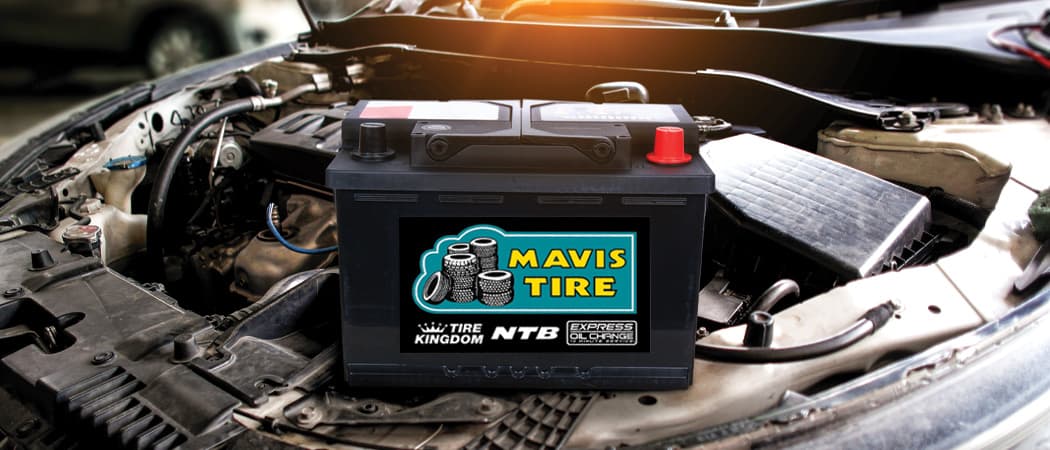
You may have noticed your headlights may seem weaker than normal when driving at night. Whatever the case, this could be your battery trying to tell you something important: it’s time for a replacement.
Your car battery provides essential power to start the engine at the heart of your vehicle. Unfortunately, car batteries often fail without much warning. Which brings us to today’s question: Is it possible to recognize the signs you need a new car battery? The short answer is yes, it’s absolutely possible. There are many symptoms of a bad car battery you can learn to identify before you end up stranded.
Today, we’ll discuss many of these car battery warning signs in-depth and provide all the practical guidance you need to fix the issue.
How to Know if Your Car Battery is Dying
Slow Engine Crank
One of the earliest car battery replacement signs to look for is a slow engine crank. Most of the time, the engine should fire right up the moment you turn the key in the ignition or push the start button. This isn’t the case when your battery is on its last leg. You may initially hear the engine turning over more slowly and emitting a drawn-out noise before it finally kicks on.
The reason your engine isn’t firing up is likely because the battery no longer has enough stored power to send a strong enough current to the starter motor. It’s an inevitable part of owning a vehicle. The older your battery becomes, the less capable it is at holding a charge as the internal plates gradually deteriorate over time. You’re eventually left with a dead battery that sidelines you indefinitely until you replace it.
If you notice your car is hesitating before the engine starts, we recommend having your battery tested as soon as possible.
Dimming Headlights & Interior Lights
Have you noticed dimming headlights or flickering interior cabin lights recently? If your headlights appear noticeably more dim as you drive, or your interior lights fade as you activate the A/C, this can generally mean that the battery’s days are numbered and incapable of delivering steady power. Keep in mind, the underlying issue can also be caused by the vehicle’s alternator. A professional mechanic can help diagnose the difference in symptoms.
Healthy batteries provide consistent power to your vehicle’s entire electrical system whether you’re accelerating or idling. As the battery’s charge weakens over time, it loses the ability to seamlessly juggle multiple electrical components at once.
One quick method we recommend to check your battery health is to compare the brightness level of your headlights while idling versus slightly revving the engine. Did you notice the lights brighten as you accelerated? This is likely due to a dying battery.
Electrical Malfunctions
If you happen to notice your dashboard flickering, the power windows slowing to a crawl, or the radio randomly losing all your preset stations, it’s likely that the battery may be failing. These components depend on a steady electrical charge. As that charge weakens over time, they no longer perform as expected.
There is a simple explanation here: Your battery can’t meet the power demands of your vehicle’s electronic system. Weak and depleting batteries can cause the electrical components of your car to become less responsive, and, when it comes to your radio, go a bit haywire. You might notice the radio restart or even shut off unexpectedly. You could also notice other car battery warning signs like the dashboard lights flickering or the power windows taking much longer than expected to roll up or down.
Once again, it’s important for a professional mechanic to assess whether the underlying issue isn’t being caused by an alternator, the part that’s responsible for recharging the battery while your car is running. When the alternator isn’t functioning like it should, the battery won’t hold enough of a charge, causing electrical issues.
You may ask, how do I know if I need to buy a new car battery? The best bet is to get your vehicle inspected when you notice electrical problems.
Battery Warning Light on Dashboard

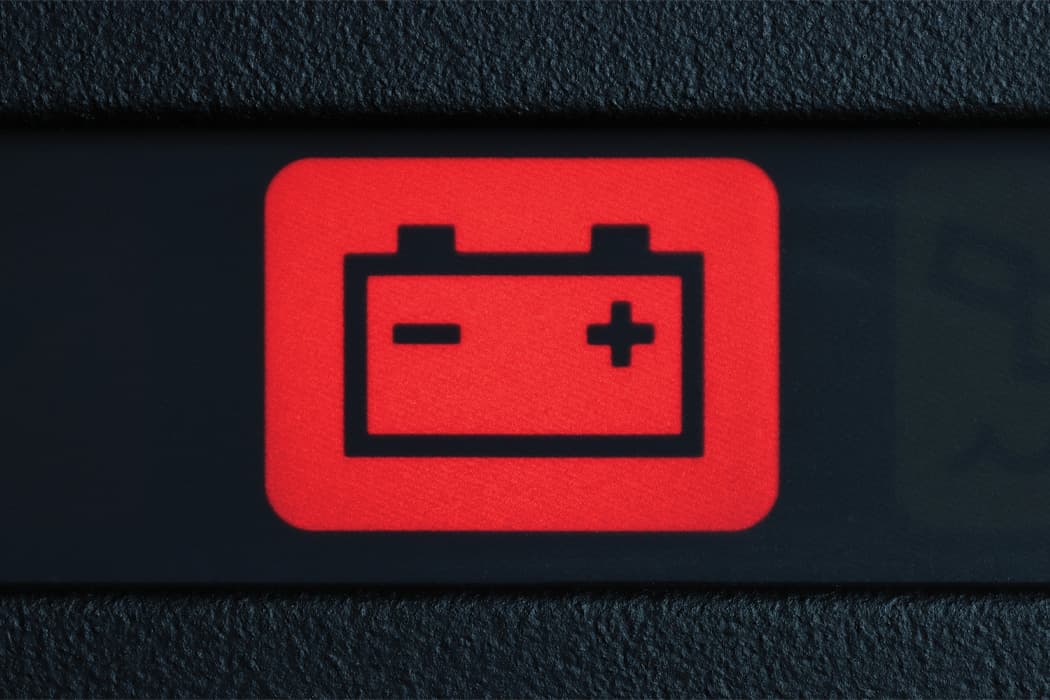
One of the most clear cut indicators of battery failure is when the battery/charging light displays on your dashboard. It typically appears as a battery symbol or message on your display. This is a message to you saying that there is a problem.
In many cases, this light indicates that the battery isn’t being charged properly, which can also signal that the alternator isn’t functioning as expected. When the alternator fails, the battery will gradually lose power until it dies. The warning light is often an indicator of a dying battery, but a professional mechanic can help troubleshoot the issue and rule out potential issues with the alternator.
The battery warning light is a hard sign to miss, but you should never ignore it. If you’re seeing it active on the dashboard display, it’s important to have your vehicle’s charging system thoroughly inspected to avoid finding yourself stranded with a dead battery.
Corroded Terminals or Buildup

Another sign that battery replacement is necessary would be the appearance of white or green residue buildup around the battery posts and terminals. This gunk is often the result of acid leakage or venting, which can develop as the battery gets older and becomes overcharged.
If this corrosion takes hold, it interferes with the connection between the battery terminals and cables and prevents the battery from sending the necessary power to your car’s wider electric system. You’ll likely notice the engine hesitates to start, the lights in your vehicle flickering, and other electrical inconsistencies.
In addition to compounding any other car battery failing symptoms, this corrosion can also prevent proper charging or damage the battery cables. If you spot what looks like buildup around your battery posts and terminals, you should have your system inspected as soon as possible to avoid battery strain.
Swollen Battery Case
A swollen battery case is one of the more clear symptoms of a bad car battery. This essentially means the battery has been overheating or overcharged, both of which can lead to serious wear and tear. If you noticed any of the earlier issues like dimming headlights or other electrical issues, pop the hood and take a look at the battery case. If the case appears bloated or stressed, your battery may be at the end of its useful life.
The misshapen appearance of the battery case is often caused by prolonged and routine exposure to excessive heat. In turn, that excessive heat can be caused by the engine or the battery charging system failing to work as expected. Ignoring these issues can cause the battery to leak acid and create buildup, worsening many of the car battery warning signs covered here. In more serious cases, the battery can rupture and present a significant safety risk.
If your battery appears swollen, it no longer has the ability to effectively hold a charge, which means it will fail far sooner than a battery under normal conditions. If you spot any swelling along the battery case, consult a professional immediately to replace it before severe damage or other safety hazards occur.
Frequent Jump Starts
Requiring frequent jump starts is an absolute indicator that you have a battery problem. When a car battery is dying, it simply doesn’t have the ability to power the starter motor and spark the engine in turning over. This means you need a boost in the form of a jump-start.
While jump-starts can provide a temporary solution, there is simply no avoiding the bigger picture. Your battery will need to be replaced very soon. Also, repeat jump-starts can also add strain to your vehicle’s alternator as it attempts to recharge the battery, sometimes causing more damage to your car’s charging system.
If you recently needed to jump start your car, it’s a good idea to have the battery tested and replaced before you find yourself in a pickle. Proactively replacing your car battery can potentially save you a major hassle down the road.
Average Car Battery Lifespan
All batteries have a shelf life before they ultimately lose their charge. For car batteries, this should be between 3 and 5 years on average. Beyond that threshold, car batteries are much more susceptible to sudden failure, even without noticing any of the symptoms mentioned earlier.
How old is your car’s battery? If you aren’t sure, we invite you to bring your vehicle in for a proactive battery health assessment.
Other Battery Issues

The electrical system in your vehicle is complex. As such, the battery isn’t the only culprit when it’s showing signs of trouble. Two other major contributors that deserve a close look at the alternator and starter, both of which can exhibit symptoms of a bad car battery:
Battery issues: If you’ve noticed slow engine cranking, dimming lights, or you’ve depended on frequent jump-starts, your car battery is unable to hold a proper charge. It’s less capable of providing the power your vehicle depends on to start or function properly.
Alternator issues: If your vehicle dies while driving or you see the battery warning light activate on your display, this could mean the alternator is failing. Alternators have an important job of recharging your battery while the engine runs. When the alternator fails, the battery simply loses the ability to charge. Another symptom of a failed alternator can be a burning smell caused by overheating.
Starter issues: Instead of the engine turning over on startup, you may be noticing a clicking sound instead. Unlike the car’s battery, which powers the start-up, the starter engages the engine to get things moving.
It’s worth noticing that some of these symptoms can overlap, making it tricky to diagnose bad battery vs. alternator symptoms. Not to fear, a professional mechanic can help quickly specify what part of the vehicle needs to be addressed and provide the necessary repair or replacement.
How Do I Know if I Need a New Car Battery: What to Do Next
Noticing any car battery failing signs? Here’s a simple step-by-step guide on what to do next.
Step 1: Get a battery test → Quick, and free at any Mavis location.
Step 2: Check the age → Over 3 years? Consider replacing it soon.
Step 3: Inspect terminals → Clean buildup but don’t ignore deeper issues.
Step 4: Replace proactively → Don’t wait for total failure.
Step 5: Choose the right battery → Match your vehicle’s requirements.
Step 6: Install professionally → Avoid electrical memory loss/damage.
*If you’re already seeing signs, schedule a battery check today. You don’t have to guess, let a pro take a quick look.
Check Your Battery at Mavis
Don’t overlook the many car battery warning signs which can indicate that a replacement is just on the horizon. A sudden dead battery can add temporary strain to your vehicle’s alternator and charging system. Left unchecked, a small battery issue can eventually snowball into a major repair.
Proactive replacement of your car battery can help you avoid a major headache. Swing by a Mavis location near you for a free inspection of your battery today.