How to Tell If Your Wheel Bearings Are Bad
By Chris Pittman
Published 04/27/2026
A grinding or humming noise that gets louder with speed is one of the most common signs of bad wheel bearings. If you're hearing unusual sounds from your wheels or feeling vibration in the steering wheel, these symptoms of a bad wheel bearing need immediate attention. How can you tell if wheel bearings are bad? We'll walk you through the five warning signs, what causes bearing failure, and why driving on worn bearings puts you at serious risk.
What Are Wheel Bearings?
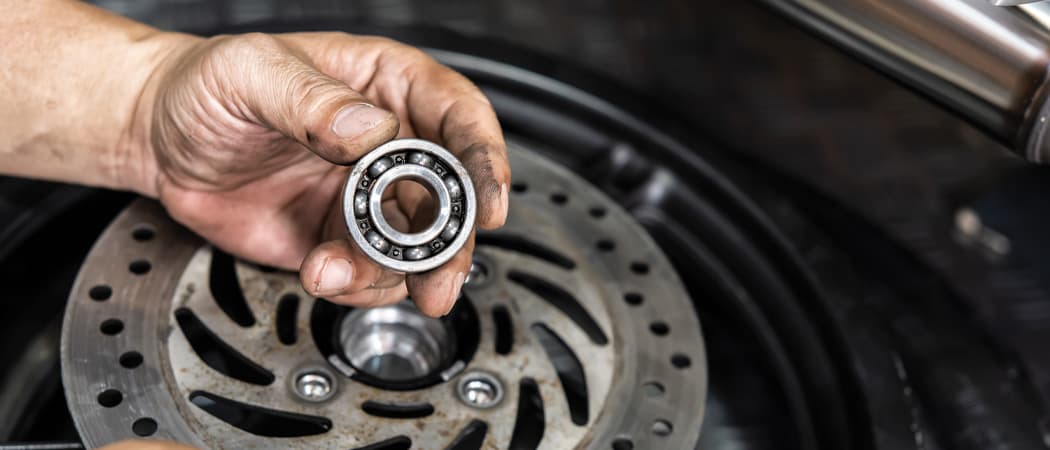
Wheel bearings are specially crafted parts made from steel balls and rollers that are inside a metal ring within your tire & wheel assembly. The job of wheel bearings is to reduce friction between the wheel and the axle of the tire so that they can rotate easily and smoothly while holding the vehicle while moving. They allow the tires to spin without resistance, allowing the driver to get to their destination with precise handling of the vehicle, but also enjoy a smooth ride. Wheel bearings also hold up the weight of the vehicle while keeping the tires going in the correct direction. They play a huge role in maintaining control and stability at different speeds throughout various driving conditions.
If your wheel bearings are doing their job effectively, they will reduce noise and improve fuel efficiency by reducing a vehicle’s drag on the road surface. They are also sealed in order to protect against dirt, grime and moisture so that they can maintain their lubrication. This increases durability and enables them to function for an extended period of no matter the road conditions.
Like any other part of your car, wheel bearings experience wear and tear over time. As they accumulate wear, there are a handful of different signs that you can hear, see, or even feel that would indicate excessive wear. Let’s see what can happen when your wheel bearings start to wear out.
Common Symptoms of Bad Wheel Bearings
If you’re concerned your wheel bearings may have reached the end of their life there are several different symptoms to look out for. Take a look at some common symptoms of bad wheel bearings and ask yourself if you’ve experienced any of them while behind the wheel of your car.
Humming or Growling Noise
Wheel bearings rely on steel balls or rollers that smoothly glide inside metal races on the inside of the wheel. If the wheel bearings wear out, they become damaged or pitting forms on the surface of this component, the balls or rollers will vibrate and scrape, creating a rhythmic humming, growling, or rumbling noise that gets louder with speed changes and load shifts. As the damage becomes more severe, the noise gets louder.
Grinding Sound
Another common wear sign for wheel bearings is a grinding sound. With wear comes the loss of lubrication, water ingress, or prolonged mechanical wear that causes the bearing surface to become rough or contaminated. The force put on bearings through regular use causes the worn surfaces to rub against each other which creates wheel bearing noise while driving.
Steering Wheel Vibration or Looseness
A worn wheel bearing can negatively impact a wheel’s stability and cause the wheel to wobble on its axis. This leads to a vibration that travels through the suspension and can be felt by the driver in the form of a loose or shaking steering wheel, especially when moving at high speeds or cornering. This changes the wheel alignment and increases friction.
Uneven Tire Wear
When a tire has a bad wheel bearing, it can shift from its intended axis and move in unexpected ways. This movement means that the tire isn’t in constant or even contact with the road, that can lead to uneven wear on one side of the tire or in the form of scalloping. This uneven tire wear and misalignment can worsen over time if it isn’t addressed.
ABS Warning Light
A lot of cars have an ABS, Anti-locking Brake System, located near the wheel bearing. If there is an issue with the wheel bearing and it gets loose and the wheel wobbles out of alignment, it can impact the ABS sensor and cause the dashboard warning light to flicker on. It can also lead to irregular braking performance because of the misinterpreted wheel speed data transmitted to the ABS.
All of these symptoms should be taken seriously, as they can negatively impact your safety while on the road. Noticing these signs is the first step in taking care of your wheel-bearings. Now that you are aware there could be a problem, it’s time to take action and seek the advice of a professional. Mavis will provide a free vehicle inspection and provide a quote for required repairs.
Risks of Ignoring Bad Wheel Bearings
First and foremost, please stop driving. Your safety is of the utmost importance, and the only way to guarantee it when your wheel bearings are compromised is to avoid driving your car.
Tire Damage
A bad wheel bearing can negatively impact tire alignment and lead to rapid, uneven, or scalloped tire wear. Unstable wheels combined with the extra friction and heat further reduces tire life while increasing the risk of blowouts or sudden failure.
Wheel Detachment
If the wheel bearings are severely worn and eventually fail completely, the wheel may separate from the hub assembly. This is a possibility if the bearing is so damaged that it can’t support the wheel’s rotation or hold the wheel in place, especially when travelling at high speeds. With complete bearing failure, sometimes the wheel can lock up or the axle can seize, leading to loss of motion and severe damage.
Dangerous Loss of Control
With a worn wheel bearing, tires can move unpredictably and cause erratic handling for the driver, especially when turning or braking. A loss of control increases the chance for accidents, as the car can unexpectedly pull to one side or become unstable under normal driving conditions. If bearings fail, this can confuse ABS sensors and lead to braking problems with increased stopping distances.
Getting behind the wheel and driving with failing wheel bearings isn’t just detrimental to the health of your vehicle and its parts, but it also puts your safety at risk. Neglecting to care for your worn wheel bearings can lead to a ripple effect that causes damage in the axle, suspension, brakes, and drivetrain. By taking care of your wheel bearings and seeking service and help from your local mechanic, you’re not only saving money and your vehicle, but yourself as well.
Wheel Bearing Inspections
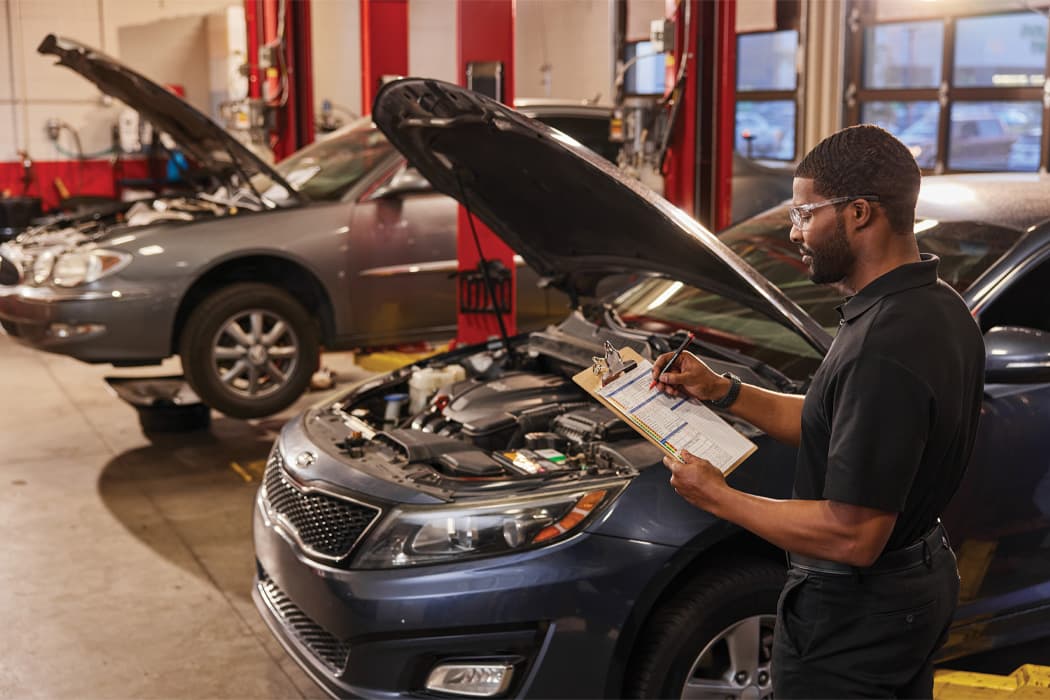
Most modern vehicles on the road use sealed wheel bearings that are designed to last between 100,000 and 150,000 miles under normal conditions. They don’t require service on a set timeline, but best practices say they should be inspected for play, noise, beginning at 50,000 miles.
Every 6 to 12 months, your wheel bearings should be inspected if you’re driving your vehicle under standard conditions and usage. For trucks, SUVs, and older vehicles, they will most likely have conventional serviceable bearings, which need to be cleaned, inspected, and re-greased every 30,000 miles. Your owner’s manual may say differently, so be sure to check what interval is suggested by the manufacturer. When it comes to trailer bearings, especially boat trailers, they require annual service because of the increased exposure to water. Speaking of water, no matter the type of vehicle you drive, after exposure to water, mud, or off-road conditions, having your bearings inspected is important because of the additional wear and corrosion that can occur.
Knowing the purpose of your wheel bearings, how they function, what may happen if they fail, and how often they should be inspected is important for the overall health and safety of your vehicle.
If you’re curious whether something is wrong with your wheel bearings, bring your vehicle to your local Mavis location. We can properly inspect your tires and bearings to make sure that you can hit the road with confidence.