Tire Service
Tire Pressure Sensor Installation & Replacement
Replace your TPMS, a crucial component of safety and fuel economy.
About This Service

Mavis Tire Advisor
Answer:
A Tire Pressure Monitoring System (TPMS) is a service that involves sensors inside your tires that monitor air pressure levels while you drive. There are two types of TPMS sensors: the direct TPMS sensor measures the tire pressure from a sensor inside your tire and relays an alert when the tire pressure dips below a certain level, while the indirect TPMS uses your car’s anti-lock brake system to measure the tire pressure based on the speed of the tires. This service helps maintain proper tire pressure, preventing excessive tire wear, improving fuel efficiency, and ensuring safer driving conditions.
Find a Mavis Location
Find your local Mavis for same-day tire installation and affordable auto service near you!

Tire Pressure Sensor Replacement FAQs
Yes. If your TPMS sensor is faulty, you can still drive your vehicle. However, you can’t rely on the vehicle to alert you if you have a tire pressure issue. The TPMS system is designed to notify the driver when there is low air pressure, and a faulty system will not be able to do so. If you do have a flat or slow leaking tire, you will need a tire pressure gauge to check the air pressure in the tires instead of relying on the TPMS.
To ensure that your system is working correctly, you should have the TPMS sensor installed by a professional for the best results. Each TPMS sensor has a valve stem and valve core that are specific to it. It is important to make sure that any replacement of sensors has the correct parts.
There are several reasons a TPMS sensor may fail, including a dead sensor battery, a faulty sensor, or a calibration issue. Your TPMS sensor can be evaluated for these issues, and the system can relearn the sensors, or you can get a TPMS sensor replacement.
There are two types of TPMS sensors. The direct TPMS sensor measures the tire pressure from a sensor mounted inside your tire. Each sensor will relay an alert when the tire pressure dips below a certain percentage of the manufacturer's recommended air pressure. The second type of system is an indirect TPMS which uses your car’s anti lock brake system to measure the tire pressure. This measurement is based on the speed of rotation of the tires, which would be off if you had low tire pressure in one or more tires.
It is not illegal to tamper with your TPMS sensor. It is only required that all cars manufactured after 2007 have a TPMS system. However, individual state laws may vary, and automotive repair shops may require a working TPMS system in vehicles that they work on.
The best way to check if your tire pressure sensor is faulty is to have it evaluated by a professional at a tire shop near you. Mavis can look at your TPMS sensor, assess any issues, and help you decide if you need new sensors or if the system just needs to relearn your sensors. Before heading to Mavis to have your sensors checked, look to see if we have any great deals going on.
Service Specials

Save $20 on Oil Changes
Valid For Most Vehicles
Proven to Maximize Engine Life with Valvoline Motor Oil
Includes Tire Rotation and Visual Brake Inspection
* Offer Expires 12/31/26

Free Tire Rotation
Lug Nuts Torqued to Correct Spec
Valid on Most Cars
Limited Time Offer
* Offer Expires 12/31/26

Save $35 on Wheel Alignment
State-of-the-art Equipment
Free Alignment Check
90 Day Warranty Included
Valid on Most Cars
* Offer Expires 12/31/26

Save up to $80 on Brake Service
Free Visual Brake Inspection
Includes Front or Rear Brake Pads (or Shoes)
Includes Labor
Valid on Most Cars
* Offer Expires 12/31/26
TPMS Sensors Overview
There are several reasons to have a tire pressure monitoring system (TPMS), from safety to better fuel economy. A TPMS automatically reads the tire pressure in all of your tires and alerts the driver when there is low tire pressure or an issue with your tires. The TPMS lets you have peace of mind about the status of your tires. While most TPMS systems come with your vehicle, it is possible to add an aftermarket system.
TPMS is an important safety feature that ensures your tires are inflated to a proper pounds per square inch. Since 2007, all vehicles manufactured are required to have a TPMS installed. The TPMS system can alert you of a slow leak or a flat tire before you may even notice it. If you have a flat tire or slow leak, you can then take your vehicle in for a flat tire repair.
What Is a TPMS Sensor?
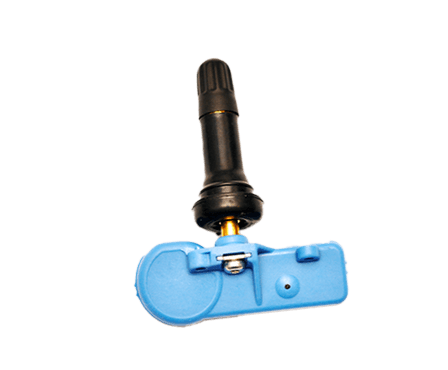
TPMS sensors are small sensors placed inside your tires that help evaluate the tire pressure while driving. The sensors are calibrated with your vehicle’s tire pressure monitor system so that you are alerted when a tire goes below the optimal pressure for driving.
In many cases, the vehicle can also tell you which tire is low and how much air pressure it currently has. The TPMS sensor helps you drive safely and also helps save you money by avoiding unnecessary wear and tear to your tires.
What Does The TPMS Sensor Light Look Like?
Depending on the make and model of your vehicle, as well as the year, your TPMS sensor light may look different. In most cases, a light is located on your dashboard with an exclamation point (!) icon. This sensor will light up when tire pressure in one or more of your tires is below the recommendation from the manufacturer. The sensor also may blink multiple times before staying illuminated, indicating that the system may need attention.
How Long Do TPMS Sensors Last?
You’ll want to replace the TPMS sensor in your vehicle every 5 to 10 years. The sensors are battery-operated and need to be replaced once the battery runs out. When you purchase new tires, the TPMS sensors will be placed in your new tires and calibrated.
How To Tell If Your Car Needs A New TPMS Sensor
One way to tell if you need a new TPMS sensor is if your vehicle continues to alert you to low air pressure issues and all of your tires are properly inflated. If you see the TPMS light without the need for any adjustments, it may be because a sensor is faulty. If you have a sensor working improperly, you can bring your vehicle to an automotive repair shop to be assessed. You may need a TPMS sensor replacement or a TPMS reset.
Get Your TPMS Sensor Replaced At A Mavis Near You
If you need to have your TPMS sensor evaluated or you’re looking to replace a sensor in your vehicle, you can head to Mavis Discount Tire. Schedule an appointment today
Loading reviews...