
Save $20 on Oil Changes
Valid For Most Vehicles
Proven to Maximize Engine Life with Valvoline Motor Oil
Includes Tire Rotation and Brake Inspection

Wheel Alignment
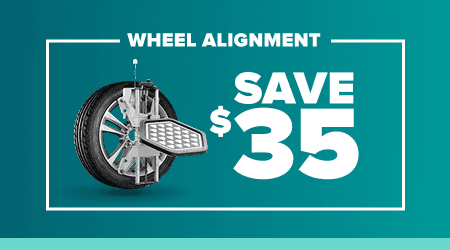
Save $35 on Wheel Alignment
State-of-the-art Equipment
Free Visual Alignment Check
90 Day Warranty Included
Valid on Most Cars

A wheel alignment is a service that ensures your vehicle's wheels are set to the correct angles to drive straight and true. This process involves adjusting the angles of the wheels to match the manufacturer's specifications, which helps prevent uneven tire wear and improves handling. Proper wheel alignment is crucial for maintaining your vehicle's performance, enhancing fuel efficiency, and extending the lifespan of your tires.
Wheel alignment is a service that ensures your vehicle's wheels are set to the correct angles to drive straight and true. Signs that you might need a wheel alignment include your vehicle drifting to one side, an off-center steering wheel, uneven tire tread wear, and vibrations in the steering wheel. If you notice any of these issues, it's important to bring your car to a Mavis store for a professional wheel alignment service.
Wheel alignment is essential for maintaining your vehicle's performance and safety. Misaligned wheels can cause your vehicle to pull to one side, create uneven tire wear, and lead to steering wheel vibrations. Proper alignment ensures that your tires make consistent contact with the road, which improves handling and fuel efficiency. Regular wheel alignment services help prevent premature tire wear, enhance driving comfort, and reduce the risk of accidents. If you notice your vehicle pulling to one side or uneven tire tread, it's time to get your wheels aligned by a professional.
You should have a professional check your wheel alignment every six months or 6,000 miles, or if your vehicle seems to be drifting to one side or the other. Misalignment can also be indicated by a steering wheel that is not centered or uneven tire wear. If you’ve recently been in a car accident, encountered a few potholes, or noticed any signs of misalignment, it is a good idea to have your vehicle checked. Schedule an appointment at your local Mavis to ensure your vehicle's alignment is in top condition.
You should have your alignment checked every six months or 6,000 miles, however, you only need a wheel alignment if your vehicle is in need. You do not always need a wheel alignment when purchasing new tires but it is highly recommended to always check the alignment when purchasing new tires in order to protect your investment.
Adjusting the wheel alignment of your vehicle focuses on three things including the camber, toe, and castor.
The camber is the inward or outward tilt of your tires from the front of the vehicle.
The toe is based on how your tires look when viewed from above. They will either face inward or outward.
Caster is the angle of your steering axis when looking at your vehicle from the side.
Yes, a tire shop is a great place to get your wheels aligned. Mavis, Tire Kingdom and NTB offer great deals for your wheel alignment and other vehicle needs. Many places will also check your vehicle’s alignment during an oil change.
Regular driving conditions do not have a large effect on your wheel alignment. However, running into a curb, getting into an accident, or winter weather conditions can have an effect on your wheel alignment. If other things on your vehicle, like shocks, struts, and tires, are in poor condition, this may also affect your alignment. After any of these incidents, make a note if your vehicle seems off-center.
Proper alignment is key to automotive safety. If your car is out of alignment, it can affect the tire tread and the overall lifespan of your tires, which can in turn affect your overall fuel efficiency.
Wheel alignment and tire balancing are different. Wheel alignment is focused on ensuring that all of your tires are heading in the same direction as your vehicle. Tire balancing evens out the weight distribution of the tire and wheel assembly. A shaking steering wheel or vehicle may be a sign of unbalanced tires. You only need to get tire balancing when necessary.