Why Does My Car Shake When I Press My Brakes?
By Darren Gilliam
Published 09/19/2025

Driving conditions can be unpredictable. One moment you’re cruising, next thing you know, you feel the steering wheel violently shake in your hands as you start to brake. It can definitely be an unsettling experience. Lots of other drivers have experienced vibration when braking at some point, especially as their vehicle’s braking system begins to age.
What exactly causes a vehicle to shake when braking? How worried should you be? These are common questions. Most of the underlying causes for unexpected shaking are straightforward and fixable, but they do need to be addressed sooner rather than later.
We’re going to take a closer look at the phenomenon of brake shaking and what it says about the health of your vehicle’s braking system in general. This article contains all the practical advice you need to diagnose potential alignment issues and maintain a safer driving experience for the long road ahead.
Why A Car Shakes When Braking
Vehicles that shake while braking generally have some underlying condition that causes uneven friction or imbalance in how the car stops. More specifically, a professional mechanic will look at a few key areas of your vehicle to diagnose the problem: the brake rotors, brake pads, tires/wheels, alignment/suspension, and the brake calipers.
As you apply pressure to the brake pedal, you expect your car to slow to a smooth and controlled stop. Perhaps instead you notice the entire vehicle vibrates, the steering wheel shakes when braking, or the pedal itself is pulsing. This is your car’s way of saying something isn’t right. Proper braking generates a lot of heat and force, and minor issues affecting your braking system, tires, or suspension system, may be a clear indicator that your vehicle needs maintenance.
Brake rotors, the large metal discs your brake pads clamp onto, are frequently blamed for vehicles that shake while braking. This is mainly due to uneven wear or the gradual development of hard spots, rendering the brake pads less effective and resulting in shaking. Of course, the brake system isn’t the only cause. Tires that are off balance or feature uneven wear can produce a similar effect. Alignment issues when braking can also produce vibrations.

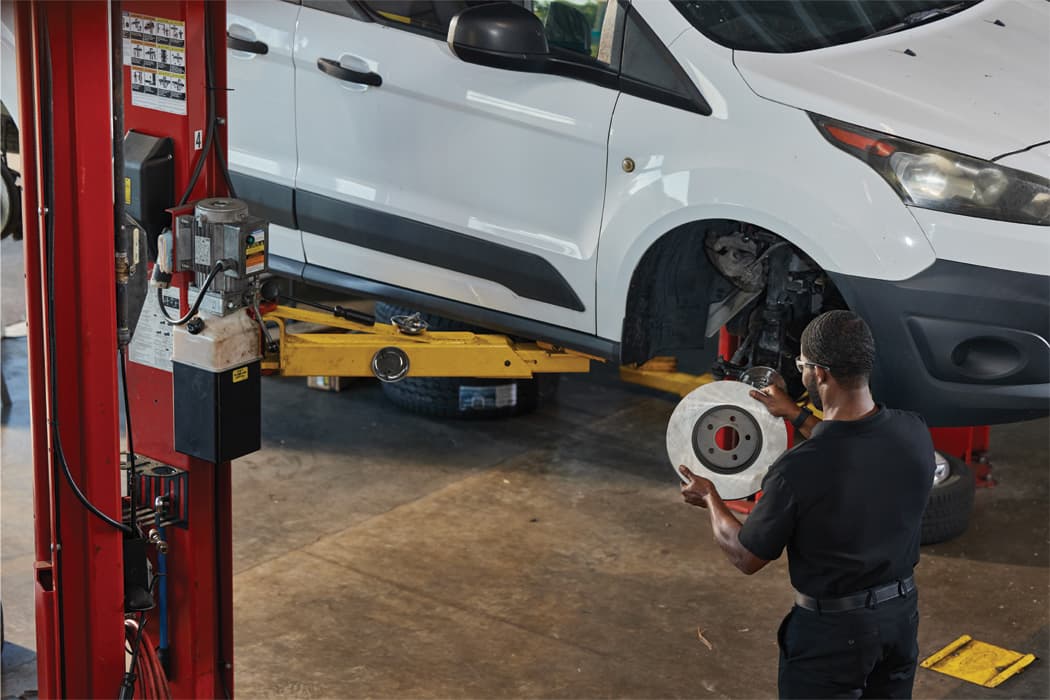
Diagnosing the exact cause can be challenging, but here are some general considerations:
Problems in the front of a vehicle are often caused by brake rotors, for example, the steering wheel shakes while braking.
Problems in the rear of the vehicle may be caused by suspension and tires, for example, the entire vehicle shakes.
While noticing where you feel the vibration is an important clue, it’s highly recommended that you have your vehicle properly inspected to diagnose the issue.
Main Causes of Shaking While Braking
Next, let’s explore the main causes of shaking while braking in more detail:
Warped Rotor Symptoms
Worn brake rotors are one of the most common reasons you might experience shaking sensations as you brake and are frequently highlighted as one of the brake pedal vibration causes. Brake rotors are flat, round discs that are nestled inside your tires. As you apply pressure to the brake pedal, the brake pads clutch the rotors, producing friction and slowing your car to a stop. In newer brake systems, this friction should feel smooth and controlled. When it comes to older rotors with uneven wear or heat spots, it’s kind of like slowing down a bike with a wobbly wheel.
Common warped rotor symptoms include a shaking steering wheel that gets worse at higher speeds or a rhythmic pulsing in the brake pedal when slowing down. This is happening because the brake pads can’t grip evenly, so the rotor constantly passes through the pad instead of receiving steady pressure. Warped or uneven brake rotors are often a byproduct of heat. Braking at highway speeds can produce a lot of heat and this can gradually harden the surface of the rotors and result in uneven wear.
Because worn brake rotors are so common, mechanics often spot it quickly. Fortunately, this condition can usually be fixed by replacing the rotor.
Worn Brake Pads
Your brake pads are designed to wear down over time, but that doesn’t guarantee they’ll wear down evenly. The more you drive, heat, debris, and other issues like a sticky caliper can result in one side of the brake pad to wear out ahead of schedule. As this develops, the brake pad becomes less capable at making the right contact with the rotor to properly brake. The grip becomes uneven and creates a shaky, unsettling braking feel.
While many drivers might equate worn brake pads with high-pitched squeals or grinding noises, feeling a shaking sensation sends another signal entirely. As you brake, pay close attention to whether you notice vibrations coming from the pedal, steering wheel, or even through the seat. This may indicate the brake pad lacks proper grip and diagnosing the problem earlier might prevent more costly repairs when you’re seeking a shaking while braking fix.
Tire or Wheel Issues
Your vehicle’s braking system isn’t always the cause for the shaking you feel while braking; sometimes it’s caused by the tires. Over time, your wheels can become out of balance, exhibit signs of uneven wear, or have greater structural issues you can’t necessarily see. Braking shifts weight forward, so any problems with your tires may become more noticeable and lead to steering wheel shakes when braking.
Tire or wheel issues can often mimic the warped rotor symptoms, but they have a few subtle differences. If you notice the vehicle also shakes when traveling at a high rate of speed, and you’re not applying the brake, the issue is very possibly related to your tires. Uneven tread wear, which can be caused by a variety of things like underinflation or alignment issues, can create high and low spots on the tire. Over time, you’re noticing a steady vibration in the cabin as you drive.
At Mavis, we generally start with a balance and alignment check to diagnose any issues and restore your braking power.
Alignment Issues When Braking
Another potential cause for this issue may boil down to alignment or suspension problems in your vehicle. When your wheels aren’t aligned, this effectively means they’re not pointing straight ahead. While this may be a subtle thing to notice with the naked eye, this small imperfection creates uneven pressure on your tires. It produces a vibrating sensation you won’t necessarily be able to overlook.
Although it may be harder to catch when traveling at lower speeds, alignment issues will certainly grab your attention as you engage the brake pedal. As your tires essentially fight each other for control, you may most noticeably feel it in the steering wheel. Alignment issues when braking can be subtle, but they can dramatically reduce the life of your tires and add additional strain to your vehicle when left unchecked.
Alignment or suspension problems can develop as specialty components lose integrity. Control arms, bushings, or struts can magnify the problem. Although these parts are designed to make sure the wheels remain straight and rooted firmly in place, they can lose their grip as they wear out. This is why a simple tap of the brake pedal can feel so unstable and cause your vehicle to shake, drift, or feel out of control.
Alignment and suspension problems present a major safety concern that shouldn’t be overlooked. If you suspect you have a problem, get it checked out before it becomes a bigger liability.
Brake Caliper Vibrations

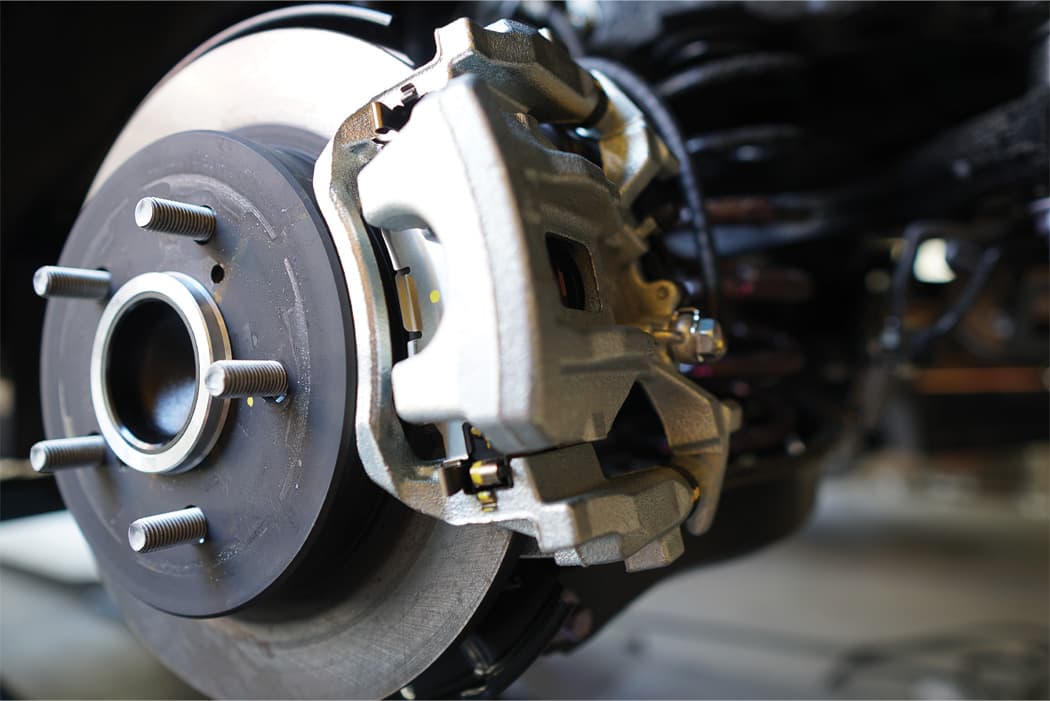
Your brake calipers play a simple but critical role: they clamp the brake pads onto the rotor each time you press the pedal, generating the friction needed to slow your car to a complete stop. The caliper then releases the moment you ease off the brake.
A sticking brake caliper does the opposite and is less responsive to your touch. This effectively means that one wheel keeps dragging slightly, even with the brake pedal released, producing heat and creating uneven grip across your wheels.
Sticking brake caliper symptoms can be rather distinct. You may notice the car starts to pull to one side when braking, a result of one wheel working harder than all others. You may also notice the smell of burning rubber or overheating metal after driving.
Some experienced drivers who suspect they have an issue may also check to see if one tire is hotter than the rest after parking, which similarly indicates one tire is taking on the brunt of the work. In addition, you may feel the brake pedal itself feels soft or spongy.
Professional technicians can identify a caliper issue quickly and assess whether it’s an issue as part of routine brake inspection. As a word of caution, ignoring the issue can contribute to premature brake rotor and pad wear and potentially open the door to bigger issues with your suspension. When in doubt, get it checked.
How to Tell the Difference
Short of visiting a repair shop and consulting a professional mechanic, figuring out exactly what’s causing your vehicle to shake can be a difficult task. Fortunately, paying close attention to the symptoms can help point you in the right direction to diagnose the underlying issue.
Let’s lay out some common symptoms below and what they might indicate about your vehicle:
Steering wheel shakes → This generally means the problem exists at the front of the vehicle. You may be dealing with warped front brake rotors, out-of-balance front tires, or an alignment issue.
Seat or rear of the car shakes → If you feel the vibrations through the seat as opposed to the steering wheel, this generally means the problem is tied to the rear brake rotors or rear tires.
Only happens at high speeds → Vibrations that seemingly only occur when braking at highway speeds are a hallmark symptom of warped rotors or tire imbalance. The effect may be too small to notice when traveling at a lower rate of speed.
Vehicle pulls to one side + burning smell → If your car pulls to the side when braking, and it’s paired with a burning smell, this generally means you have what’s known as brake caliper vibration. A stuck brake caliper has a distinct feel to it.
Brake pedal pulsing → This is often a sign of uneven rotor wear or another caliper issue. You might notice the pedal feels like it’s pushing back in rhythm as you slow your car.
*Of course, the most accurate way to detect an issue is through a full mechanic inspection of your vehicle. However, describing the symptom to your technician can help them quickly pinpoint and address the issue straight away.
Why You Shouldn’t Ignore It
It’s important to immediately address vehicle shaking to prevent even more damage to your vehicle. Next, let’s explore some of the key considerations below.
Increased Safety Risks - Vibration when braking can often translate to reduced stopping power, effectively increasing your stopping distance and potentially increasing the risk of an accident. In the most extreme cases, ignoring an issue with your brake system for too long can result in brake failure.
Damage Progression - As the brake pads and rotors gradually wear out, this can have a cascading effect that extends to your suspension system. This can also lead to uneven handling and increased accident risks.
Cost Escalation - Ignoring a braking issue too long can be expensive. Fixing a rotor will typically cost far less than needing to address a suspension issue caused from riding on bad brakes for too long. Get it serviced early by the professionals before it balloons into a much more costly fix!
What to Do Next
Have you noticed your car shakes when braking? The next step often entails getting a clearer sense of what’s really going on. To diagnose the issue, many professional repair shops follow this checklist:
Start with the brakes → Inspect rotors, pads, and calipers. This is often the main cause for brake vibrations.
Check the tires → Look for signs of uneven tread wear, balance issues, or damage that may be causing the shaking sensations.
Inspect alignment → Misalignment can be tough to identify, but mechanics may inspect it closely if your car has been pulling to one side.
Check suspension components → Finally, mechanics will look for worn bushings, ball joints, or tie rods which can produce vehicle shaking.
Don’t leave safety to chance. If you’re noticing any of these signs, stop in for a full vehicle inspection at a Mavis location near you.