


Safety Tips: Driving in the Rain
Staying alert while driving is particularly important and more so in situations when your vision is partially obstructed while driving in the rain. Keep both hands on the wheel at all times.
By Denesh Santiago
Published 09/19/2025
If you’ve begun noticing loud tire noises all of a sudden while driving, your wheels could be trying to tell you something. In this post, we’ll cover some of the most common reasons why your tires sound louder than usual, the different types of noises your tires make and what they mean, whether the sounds are a sign of a minor or serious problem, what next steps you should take, and some of the most frequently asked questions about why car tires make loud road noise.
Why do my tires sound louder than usual? As your tires take on the brunt of the workload while driving, it’s natural for them to wear down. Let’s take a look at some of these wear signs or common tire issues that may be the cause of unusual tire noise:
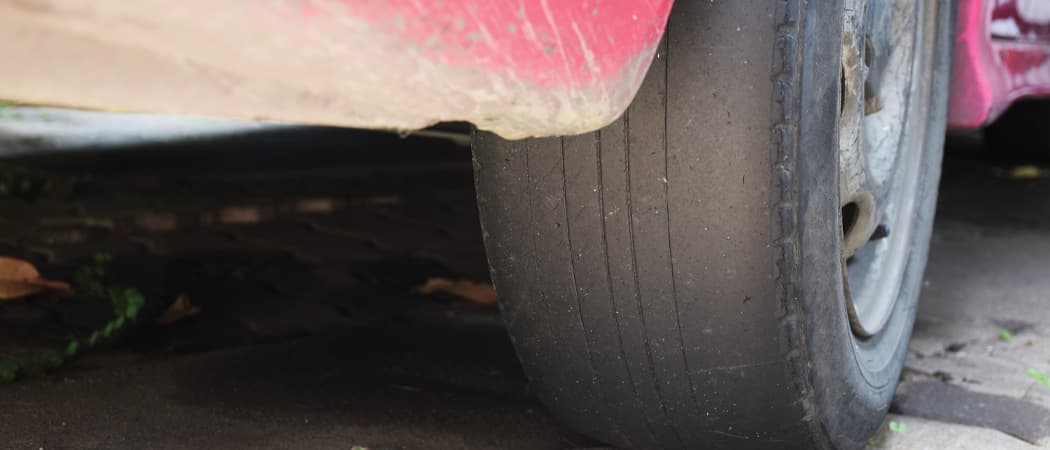
Cupping, feathering, or flat spots on your tires could be the cause of any humming, roaring, or thumping sounds that are coming from below your vehicle. This typically happens from suspension wear or if your tires aren’t frequently rotated.
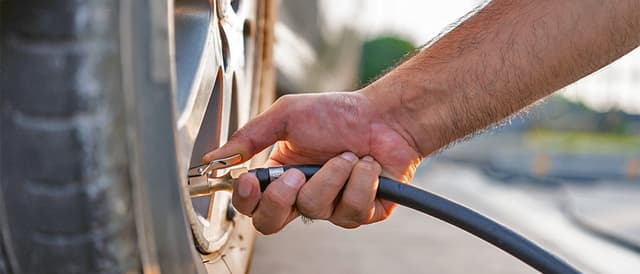
Tire pressure has a direct impact on the way your tires come into contact with the road. This is really common during seasonal temperature changes and can increase the noise made by your tires. For more information, check out the Mavis Tire Pressure Hub for a thorough breakdown.
Component or alignment problems can cause high-pitched whining sounds and roaring tire noise while driving. You may also notice your vehicle pulling to one side or another. In this case, you’ll want to visit Mavis or a local repair shop to check out their wheel alignment services.
Unbalanced tires will get louder as a vehicle moves faster. This is a classic sign that your tires require servicing.
Tires can make more noise as their rubber ages and hardens. Cheaper tires use a basic blend of rubber and have a simpler tread, which wears faster compared to premium tires that use high-quality compounds and noise-reduction features.
For example, performance tires have a stiffer rubber with a superior level of traction. They are made with softer compounds, which will be quiet at the start, but as they experience wear and tear, they will get louder. Touring tires were made with comfort and low noise levels as a top priority. The flexible compound and tread patterns of these tires reduce vibration and air pumping noise, making them the quietest option.
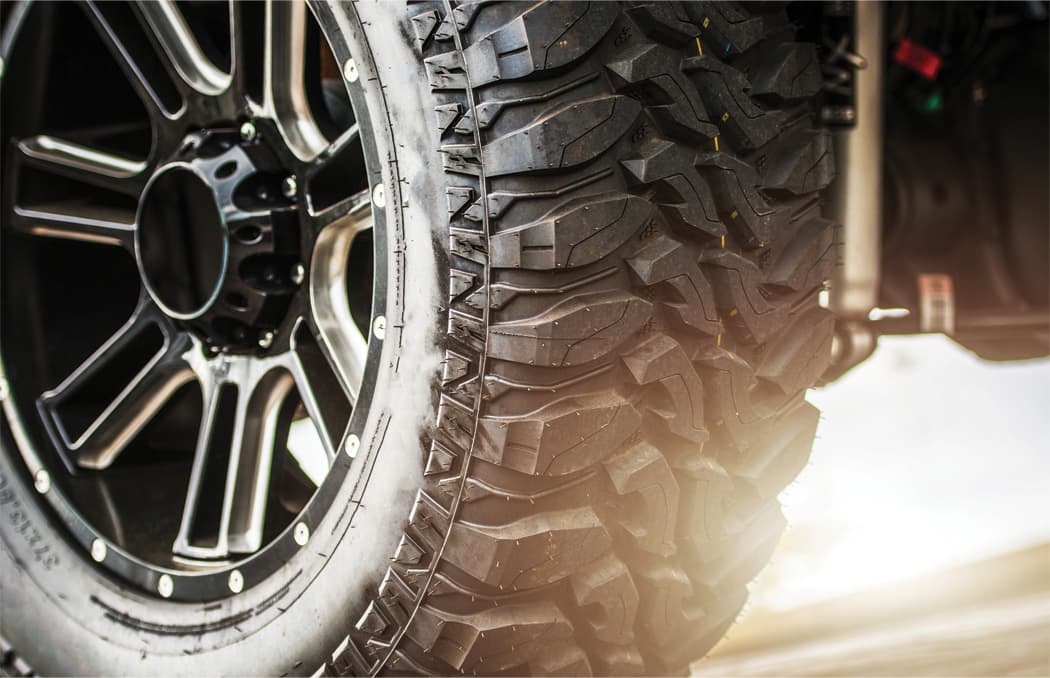
Off-roading tires are a different story. These tires use hard compounds and really big treads for durability and grip on uneven road surfaces. No matter what, when you’re driving with off-road tires on the highway, you’ll experience a roaring noise.
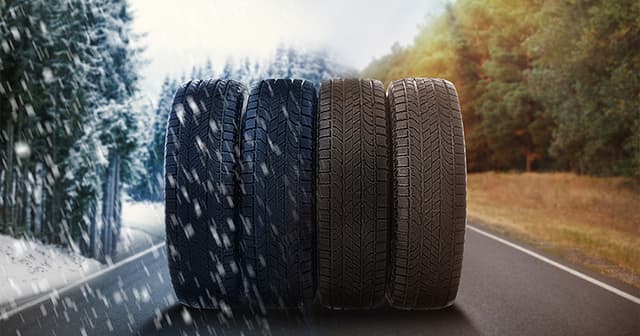
Your vehicle’s environment will naturally impact your tires’ ability to function at their highest capacity. Cold weather will stiffen the rubber of your tires, causing temporary noise until they warm up again. Rough winter roads can also lead to uneven wear, which could be another reason your tires are louder than usual.
The sound that your tires make can actually be an indicator of what’s going on with them. For example, if your tires are making a roaring noise, this is typically a sign of uneven wear. You may also be driving with off-roading tires on pavement, which will naturally create that warbling noise due to the stiff compounds and heavy-duty treads. What about if you’re experiencing a high-pitched whining sound? Well, then you most likely need an alignment, balancing, or your treads could be cupping the road surface. Thumping sounds usually happen because your tires have flat spots. This can happen if you’ve been parked for long periods of time, so your tires will have experienced excessive pressure in one spot for too long.
Noise Type | Likely Cause |
Roaring noise | Uneven tire wear, or driving with off-roading tires on pavement, stiff compounds, heavy-duty treads. |
High-pitch whining | Misalignment, unbalanced tires, or tread cupping against the road surface. |
Thumping sound | Flat spots from the vehicle sitting parked too long, causing excess pressure in one area. |
Identifying the difference between a small issue and a serious problem is important for your vehicle’s safety and the health of your tires. Not all noises mean something is wrong, but others could be a calling card of another necessary fix.
Any subtle noises that you experience when driving on a rough surface or normal sounds that occur with various tread patterns aren’t ideal, but nothing to be concerned about. If your tires are making sudden loud noises, vibrating, veering your car to one side, or if you’re experiencing any brake issues, there could be something more serious going on.
Even if your tires are making a nasty noise, we have the tools and expertise to help at Mavis. We’ll find the root cause, and you drive off the lot safely; it’s that simple.
If you’re experiencing loud tires, we recommend checking your tire pressure with a gauge. If the air pressure is low, fill up your tires to the manufacturer’s specifications to prevent uneven tread wear. Next, take a look at your tires and see if you notice any uneven wear, bald spots, or physical damage.
Ask yourself the last time you had your tires rotated and balanced. If you don’t remember the answer, you should definitely visit a service center. This is a form of regular maintenance that you should be doing every 5,000 to 7,000 miles. After you’ve done these checks, if your tires are still creating unusual noise or you’re experiencing any handling or braking issues while on the road, it may be time for an alignment or brake inspection.
If you want more information about uneven tire wear noises and how to fix them, take a look at our Mavis Tire Hub. If you need more hands-on help with your noisy tires, come visit us at your local Mavis location for a complete and thorough inspection.
Our in house tire experts are always available to help you find a great tire.

Our in house tire experts are always available to help you find a great tire.