TPMS Explained: How Tire Pressure Monitoring Systems Work
By Korey Smith
Published 09/05/2025

The Tire Pressure Monitoring System (TPMS) is your car’s built-in safety feature to monitor the tire’s air pressure in real-time and alert you when pressure drops dangerously low. If you’ve even seen the warning light appear on your dashboard, it’s time for a routine check-up to make sure it’s safe to drive.
In this article we’ll explain exactly what the TPMS sensor is, how TPMS works, the two main types, and what to do when that light comes on.
What is TPMS in a Car?
TPMS stands for Tire Pressure Monitoring System, which tracks the air pressure of your vehicle’s tires in real time. If you’re cruising down the highway and have a drop in tire pressure that lands below the recommended level, the TPMS light will illuminate on your dashboard to signal that something is wrong.
What Can Low Tire Pressure Cause?
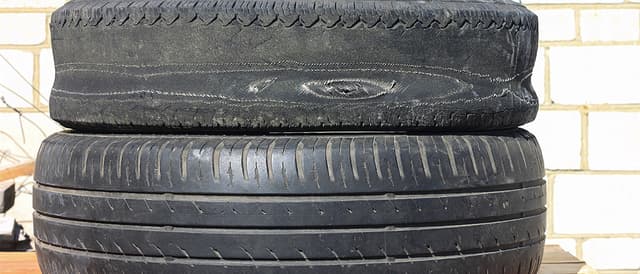
The tire pressure monitoring system light comes on when it detects underinflated tires (it can also come on when there are sensor problems or system malfunctions, but this is less common). Tires with low pressure have reduced traction that can cause longer braking distances, an increased risk of blowouts, and lowered vehicle stability. When the air pressure in your tires is low, you’ll also experience increased rolling resistance, requiring more fuel and energy to move your tires. Maintaining your air pressure helps your tires to last longer, and it can save you money on replacements over time. We cover more tire basics in our Tires 101 Hub.
Now that we know what the TPMS does, let’s jump into the two types of TPMS, what makes them different.
Types: Direct vs. Indirect TPMS
Now that you understand the basic TPMS principles and why they’re important, we can cover the pros and cons of the different types of TPMS.
Direct TPMS: Direct TPMS uses pressure sensors in each tire. The sensors are battery-powered and measure air pressure, in addition to temperature, depending on the sensor. The data collected is wirelessly transmitted to the car’s control unit. Direct TPMS is useful because it indicates the condition of each individual tire.
Indirect TPMS: Indirect TPMS uses wheel speed sensors that are part of an anti-lock braking system (ABS). While this type of TPMS isn’t able to detect the actual pressure of the tires, it can tell if a tire is underinflated by measuring the differences in wheel rotation speeds. For example, a tire with low pressure will rotate with a smaller circumference, making it spin faster than tires with optimal air pressure.
Direct TPMS is typically more accurate as it measures the pressure of individual tires, but indirect TPMS is more cost-effective because it relies on ABS technology.
The maintenance you can expect for direct TPMS includes sensor or battery replacement, so it is able to continue to best report tire pressure. Indirect TPMS will need occasional recalibration. Some of the most common issues with direct TPMS are related to potential sensor damage and battery life, while indirect TPMS can experience false alarms with pressure detection after tire swaps or if the tires are unevenly worn.
TPMS Maintenance
What’s the difference between recalibration and replacement? TPMS recalibration, otherwise known as a reset, is when your mechanic reinitializes your TPMS. This allows the system to correctly monitor the pressure of your vehicle’s tires and their positions.
You will need to get your system recalibrated when you rotate, replace, or repair your tires, as it’s common for the sensors to change position or become disconnected during the process. If you need any tire pressure adjustments after adding or releasing air in your tires, this could confuse your TPMS if it’s not reset.
Lastly, you will need to have a recalibration after new sensors are installed. Your TPMS will need to learn the sensor IDs so that it can correctly report on the air pressure in your tires. In terms of cost, you should budget anywhere between $49 and $100, depending on the type of vehicle you drive and the service center you visit. However Mavis only charges $24.99.
Then, we have sensor replacement, which is key to accurate reporting of air pressure. A sensor replacement is required when the batteries in your sensor have expired. As we talked about earlier, sensors will need to be replaced every five to ten years, depending on your driving habits, the temperature of where you primarily drive, and your vehicle usage. Sensors will cost between $40 and $200 each, plus the labor cost of $10 to $50 per sensor. This price will vary based on your vehicle and whether it’s relying on original equipment (OEM) or aftermarket sensors.
Common TPMS Scenarios
There are a handful of situations that we see here at Mavis when it comes to the TPMS and what drivers experience. Let’s go through some of the most common scenarios, what they mean, and what you should do when these issues arise.
What Does TPMS Light Mean?
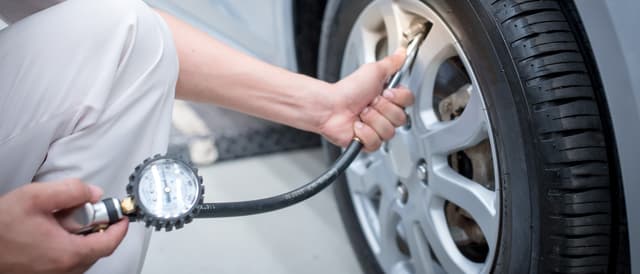
When your TPMS light comes on, this means that one or more of your tires are at least 25% below the recommended air pressure. If this happens, you’ll want to safely pull over and check your air pressure. Then, consulting your manual and finding the manufacturer’s recommendations, you will want to inflate the tires to the suggested air pressure.

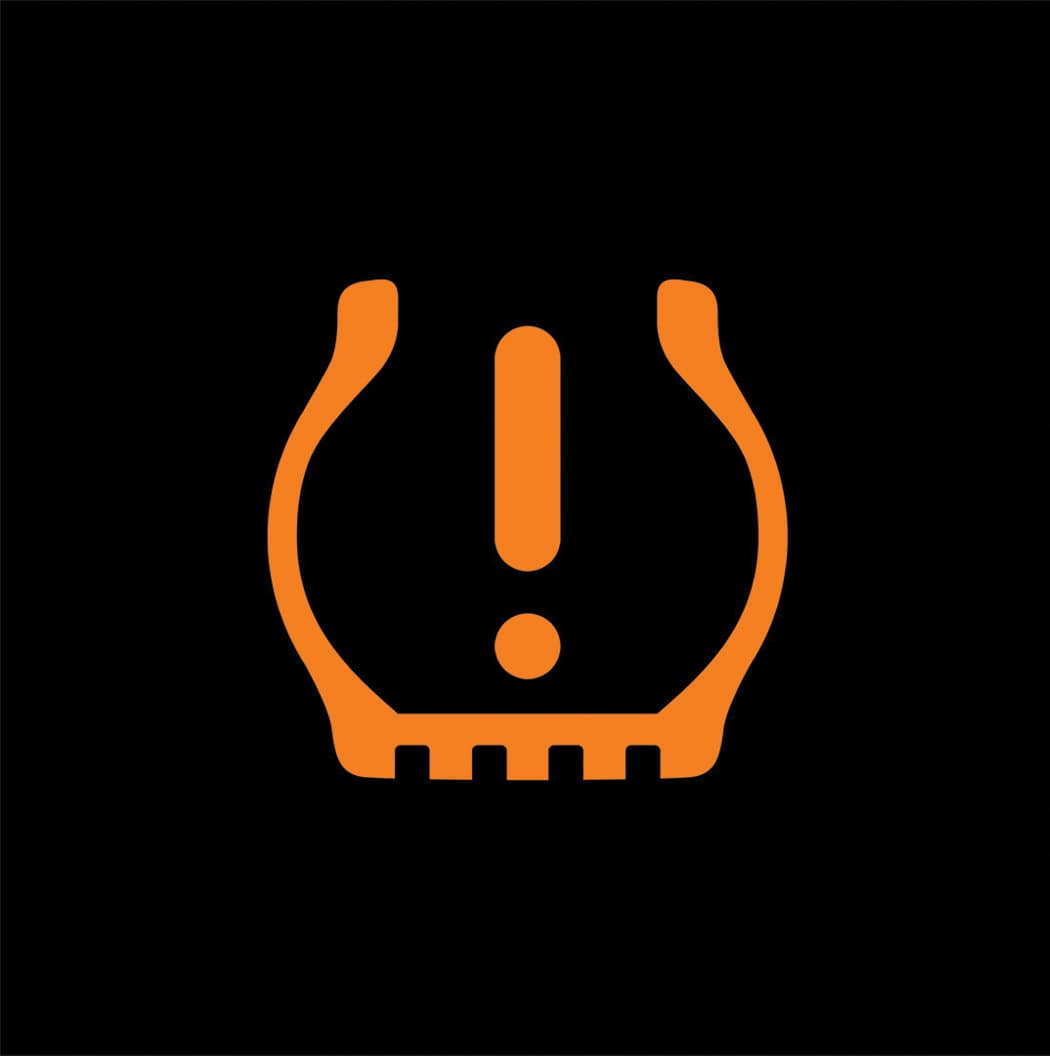
Once you do this, you should be good to go. However, if the warning light is still on after inflation, you’ll want to reset your TPMS or visit your local service repair shop for a closer look. If the warning light is flashing on your dashboard, this could signal a potential sensor battery or system issue that will require a closer look.
Seasonal Alerts
It’s normal for sudden drops in temperature to impact your tires. When a cold front appears overnight, this can cause a decrease in tire pressure and trigger false positives in your TPMS. When the weather is unpredictable, make sure to manually check your pressure before jumping to any conclusions.
Sensor Battery Life & Replacement
TPMS sensors typically last 5-10 years. If you suspect a TPMS sensor is broken, the warning light on your dashboard could be flashing instead of remaining solid. When the sealed batteries that power TPMS sensors stop working, the sensor needs to be replaced.
It’s recommended that if one sensor fails, you should consider replacing all of them. This could be a warning sign that they are all close to the end of their life cycle, so it’s easier to just replace them all at once rather than go back several times throughout the course of the next few weeks.
Safety Regulations
In the US and Europe, it’s required that all new vehicles have TPMS. If a vehicle cannot maintain a working TPMS, this can actually cause it to fail safety inspections and require further servicing to be considered road-safe.
In fact, driving without a working TPMS could potentially violate local road safety laws and insurance requirements. Your Tire Pressure Monitoring System is there for a reason, and by ignoring the signals that something is wrong, there is a higher likelihood that you will experience tire blowouts, poor vehicle handling, longer stopping distances, and possible accidents.
As you can see, the TPMS is an important piece in your vehicle’s ability to function on a day-to-day basis. Without it, both your tires and your safety would be at risk. For additional information on tire pressure and how it impacts your driving performance, learn more from our Mavis Tire Team.