Signs of a Sticking Brake Caliper: Symptoms, Causes & Fixes
By Thomas Sexton
Published 11/13/2025
If your car pulls to one side when braking, you smell burning from your wheels, or notice uneven brake pad wear, these are classic sticking brake caliper symptoms that demand immediate attention. A sticking caliper doesn't just affect your car's performance, it creates serious safety risks . In this guide, we'll cover how to tell if a brake caliper is sticking, what causes these problems, and when to seek brake caliper repair to keep you safe on the road.
What Does a Brake Caliper Do?
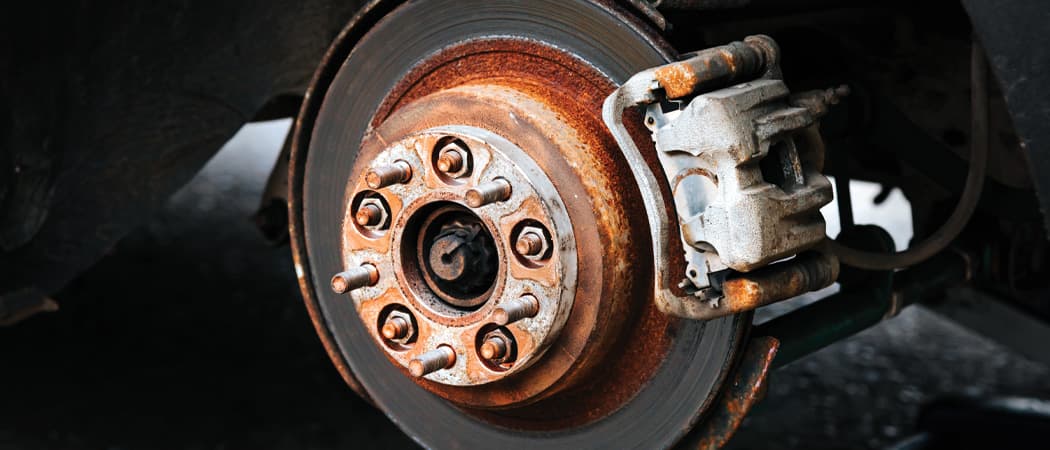
Each time you press down on the brake pedal, a chain reaction happens within your braking system. First, fluid pressure travels through the brake lines and causes the caliper pistons to push the brake pads against the rotor. You can think of the brake caliper like a sturdy clamp that takes hold of a spinning disc. Here, that disc is the brake rotor that’s connected to your wheel. The pads within the caliper clamp the rotor, and the resulting friction is what actually causes your car to slow down to a controlled stop.
When that clamp doesn’t release the way it should, the sticking caliper keeps applying the pressure. This effectively means the pads are dragging against the rotor as you drive. Left unchecked, this constant drag produces serious heat, wears out the pads unevenly, and reduces your braking power.
Brake calipers may not be at the forefront of your mind when things go wrong, but they’re essential. When calipers work as intended, they’re barely noticeable. But when brake calipers stick, the braking system may feel out of order. To prevent bigger issues down the road, it’s vital to learn how to recognize bad brake caliper signs.
Common Signs of a Sticking Brake Caliper
Car Pulling to One Side
One of the most clear-cut signs of a bad brake caliper is when your car starts pulling left or right while braking. This can happen when one caliper is clamping harder than the other, resulting in uneven brake force. Even as you hold the steering wheel straight ahead, the car seems to have a mind of its own. When traveling at highway speeds, this feels a bit unnerving. In an emergency stopping situation, this becomes downright unsafe. A pull to one side could also be caused by tire or alignment issues, but if it’s accompanied with other symptoms here, a sticking caliper is the likely culprit.
Burning Smell from Wheels
Have you recently noticed a sharp, acrid smell when driving? That burning smell frequently coincides with overheating brake pads that constantly rub against the rotor. As the brake caliper sticks, the friction doesn’t let up when you release the pedal, so the pads keep generating heat. This is one of those signs of a bad brake caliper that can quickly grab your attention, because the scent can typically linger after you park. If you smell burning rubber or chemicals near a wheel, this is a strong indicator that one brake is working too hard. Ignore the issue and you will risk warped rotors and damage to the surrounding components.
Smoke from a Wheel After Driving
If the burning smell doesn’t grab your attention, sometimes you’ll see smoke wafting up from a wheel. This is a serious red flag. In these situations, the pad and rotor are so hot that the material is burning off. If your wheel is smoking, this almost always means you have a stuck caliper that’s constantly producing drag. Outside of damaging parts of your vehicle, this creates a considerable fire hazard when temperatures soar. If you see smoke, park safely as soon as you can and order a tow. Driving any further is a serious safety risk and can cause significant damage to your car.
Reduced Fuel Economy from Drag
Not all sticking brake caliper symptoms are as dramatic as smoke. Sometimes, the signs of a sticking brake caliper reveal themselves when you fuel up at the pump. When a caliper sticks, your car is essentially working against the drag of a brake that won’t fully release. This resistance forces the engine to work harder to maintain a normal rate of speed, which impacts fuel efficiency. If you feel like you’re visiting gas stations more often but your driving habits are virtually the same, it could be due to brake drag.
Uneven Brake Pad Wear
Under normal conditions, brake pads should wear down evenly, side to side. If your mechanic tells you that one pad is much thinner than the rest, this is often a sign of a bad brake caliper. A sticking piston or seized slide pin keeps pressure on one pad, wearing it down faster while the other pads look viable. The danger here is that uneven wear limits your braking power and can also cause damage to the rotor. It also means you’ll likely find yourself replacing the brake pads soon.
Soft or Spongy Brake Pedal
Pay close attention to the way your brake pedal feels. If you notice it’s suddenly soft, spongy, or sinks farther than usual before the brakes engage, this is a red flag. At times, this can be the result of moisture or air in the lines, but a sticking caliper can also be to blame. When the piston doesn’t retract smoothly, it can lead to less reliable hydraulic pressure and deprive the system of firmness. A spongy feeling brake pedal isn’t just unsettling, it’s a hazard, because you can’t depend on consistent braking power. In these scenarios, seek professional assistance immediately.
Risks of Ignoring a Sticking Caliper
When it comes to brake problems, procrastination can put your wallet in jeopardy, not to mention risking your safety. Let’s explore the risks in more detail below:
Rotor Damage
An immediate consequence of a sticking caliper is warped or scored rotors. Because the brake pad never fully disengages, it’s grinding against the rotor constantly as you drive. That perpetual drag generates a lot of hot spots and uneven wear, which means you’ll need new rotors way ahead of schedule.
Brake Fade or Failure
A more considerate risk is brake fade, which is the gradual loss of braking power as system components overheat. In the worst cases, brakes can fail entirely. Can you imagine engaging the brake pedal and not slowing down? This situation can be avoided if you quickly address a sticking caliper.
Fire Hazard
The heat from a dragging caliper does run the risk of starting a fire. Grease, dust, or even rubber components near the wheel can catch fire under extreme conditions. Although this is rare, it illustrates how critical it is to address issues with your brake system before they become bigger problems in the future.
Causes of Sticking Calipers
There are many causes for sticking calipers. For the most part, the culprits are tied to age, exposure, and everyday driving conditions. Understanding the root issues can help you understand why service is so critical and why it’s such a common repair. Let’s discuss the causes in more detail below:
Seized Slide Pins
Most brake calipers ride on slide pins which enable them to move freely as the pads clamp down. As these pins get rusty or lose their lubrication, the caliper can’t properly retract. The brake pads stay engaged against the rotor, creating drag, heat, and uneven wear. Of all the sticking caliper causes, this one is the most common, particularly in tropical climates with wet or salty roads.
Piston Problems
Within the caliper, a piston pushes the brake pad into the rotor. If the rubber seal around it fails or corrosion develops, the piston can jam up. A stuck piston means the brake pad never completely releases, which tells you why some drivers notice their car pulling or smelling hot after shorter trips.
Debris and Road Salt
Winter driving can be especially demanding on your braking system. Road salt, sand, and dirt can work their way into caliper hardware, mucking up movement and accelerating corrosion. Even small amounts of debris can interfere with general operation over time.
Normal Wear and Age
Sometimes, a sticking brake caliper is simply an issue of mileage. Brake components face extreme heat cycles and mechanical stress. After years of hard work, those parts will wear out or lose their protective coatings, making sticking virtually inevitable.
What To Do Next: Inspection & Repair
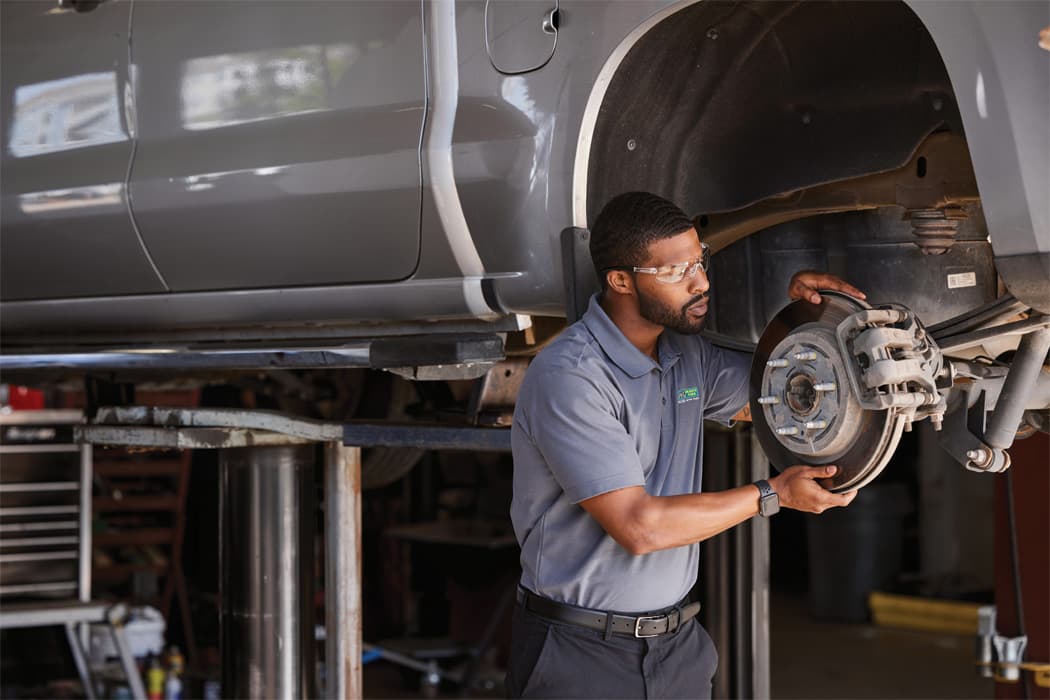
Do you suspect you have a sticking caliper? Seek professional help immediately. Calipers are complex mechanisms that require specialized expertise and tools. A Mavis technician can confirm the problem in minutes by inspecting the calipers, pads, rotors, and brake fluid. After inspection, we may recommend replacing or rebuilding the caliper and flushing the brake fluid to keep your system working smoothly.
Both calipers don’t always require replacement at the same time. Oftentimes, only the fault caliper requires service, but we’ll still check the other side for balance and safety. Acting fast helps make sure you aren’t risking rotor damage and more expensive repairs in the future.
*Learn more: What Happens if You Don’t Fix Your Brakes?
Don’t Wait on Brake Problems: Visit Mavis Today
You don’t want to mess around when it comes to your brakes. Brake calipers are one of the most crucial components in your car’s safety system. When they stick, the problem can evolve by orders of magnitude, quickly spreading to the rotors, pads, fuel efficiency, and most critical of all, your ability to stop safely.
Catching the signs of a bad brake caliper early can save you both money and stress. A quick inspection can spell the difference between straightforward brake caliper repair and more costly overhauls that involve rotors and hydraulics.
If you experience any of the sticking brake caliper symptoms we’ve covered here, don’t wait for them to go away on their own. Schedule a brake inspection with a trusted Mavis mechanic and drive away knowing your brakes are ready for anything.