Reasons Your Brakes May Be Squeaking
By Ryan Boccaccio
Published 09/19/2025
That sharp squeal when you step on the brake might be your brakes trying to tell you something. At times the noise is harmless, as it could just be morning moisture. Other times, it’s your first warning that your pads are worn, your rotors are glazed, or your hardware needs attention. But how do you know whether that sound you’re hearing is a real concern or harmless noise? In this guide, we will help separate the harmless from the urgent, and explain common causes of squeaky brakes. This way, you’ll know there is no problem versus when to take action.
We’ll cover the usual signs; such as worn pads, wear indicators, glazed rotor faces, low‑quality pad compounds, moisture and surface rust, missing hardware, and how to tell normal squeaks from dangerous ones. We’ll also cover what to do next, and how to prevent the noise from coming back.
Common Squeaky Brakes Causes
Squeaks come from vibration and friction at the contact points in the brake system. The source can be the pad material, the rotor surface, the hardware that holds pads in place, or the operating conditions; water, dust, or rust. These are the usual causes we find:
1) Worn Brake Pads (Most Common)
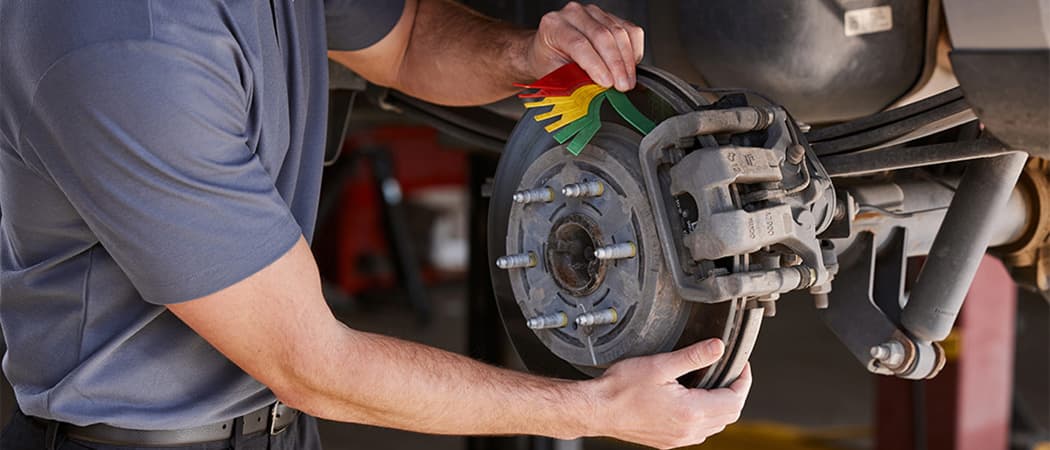
As pads wear down, there’s less friction material to cushion and quiet the contact with the rotor. Thin pads can vibrate more, and the remaining material may heat up more quickly, which encourages glazing and noise. If the pad is near the minimum thickness, squealing is often the first clue. A quick measurement tells the story; most makers recommend brake pad replacement when pad friction material is around 3 to 4mm.
2) Pad Wear Indicator Tab - Intentional Squeaking
Many pads include a small metal tab designed to squeal on purpose when the pad reaches a service limit. That high‑pitched chirp is a built‑in reminder: it’s time for new pads. The sound often appears at low speeds and light pedal pressure and may fade if you brake harder. Once the tab starts singing, schedule service soon to avoid rotor damage.
3) Glazed Pads or Rotors
Repeated hard stops, overheating, or a sticking caliper slide can “glaze” the pad surface and polish the rotor face. A glazed pad can’t bite as well and tends to squeal. Drivers sometimes notice less stopping power and a persistent, glassy squeal. The fix is usually fresh pads and a rotor replacement, plus addressing the cause, such as stuck slide pins, seized hardware, or driving habits like long downhill braking without downshifting.
4) Cheap Pad Materials
Low‑quality pads often use harder, high‑metal content friction mixes that are more prone to squeal. They may stop the car, but they’re noisy and can wear rotors faster. You’ll also see more brake dust. Upgrading to a quality ceramic or application‑correct pad compound, along with new hardware, usually quiets things down.
5) Moisture or Light Rust Film (Morning Squeaks)
Moist air or rain leaves a thin rust film on rotor faces while the car sits. That film scrubs off in the first few stops, and the sound disappears. If the noise always goes away quickly after your morning commute and doesn’t return mid‑day, it’s likely just surface rust. If it lingers, something else is going on.
6) Missing or Worn Hardware
Shims, abutment clips, and slide pins keep pads stable and let them move smoothly. When those parts wear out, get dirty, or lose lubrication, pads can rattle or drag. That extra motion or light contact creates squeaks. During a brake job, good shops clean the bracket rails, replace the hardware, and apply the right high‑temp brake lube to contact points to prevent noise.
Squeaky Brake Pads Symptoms - Normal vs. Worry vs. Urgent
Not sure what you're hearing? Use this quick reference so you know when to relax, when to schedule a check, and when to get service right away.
Normal (don’t worry): A light squeal after rain or an overnight sit is common. While the car rests, a thin rust film forms on the rotors; the pads scrub it clean during your first few stops. You might also hear a faint chirp after a wash or a brief squeak when the brakes are stone cold. Once things warm up, the sound should fade and stay gone.
Worry (schedule a check): Intermittent squealing that returns day after day, especially at low speed or with gentle pedal pressure, deserves an inspection. Also, a squeal that sticks around once the brakes are warm, is another sign you need an inspection. Typical causes include pad glazing, a noisy pad compound, hardware that needs cleaning and lubrication, or a polished rotor face. If the squeal shows up with a pulse in the pedal, a shudder in the wheel, or a hot smell, move it up your priority list.
Urgent (book now): A squeal at every stop that drifts toward scraping or outright grinding needs attention right away. Grinding means metal is touching metal. Either the pad is worn through to its backing plate or a rotor lip is chewing into the pad. Keep driving and you’ll damage the rotors and lengthen stopping distances. At this point, you should schedule immediately. If the noise is harsh or the car vibrates under braking, park it until it’s inspected.
Safety note: If the sound changes suddenly or gets louder, treat it as urgent and set an inspection.
Here is a quick check you can do: after a short drive, look through the wheel spokes with a flashlight. If you can see the pad, compare its thickness to a nickel or a quarter. If it looks paper‑thin, it’s time for an inspection.
New Brakes Squeaking? What’s Normal During Break‑In
Fresh pads and rotors need to be worn in. During this short break‑in period, the pad transfers a uniform film onto the rotor face. Until that transfer layer is even, you might hear light squeaks at low speed. Weather matters too, humidity can exaggerate noises for the first day or two.
What’s expected: A mild, short‑lived squeak at parking‑lot speeds for the first 50 to 200 miles as you vary braking pressure.
What isn’t: A loud, persistent squeal every stop, a harsh scraping sound, or vibration in the pedal or steering wheel. If you feel vibration or the noise doesn’t fade after a couple of days, bring the car back; the shop should re‑check pad fitment, hardware, rotor finish, and lubrication at contact points.
A proper bed‑in routine helps. That usually means a series of moderate stops from neighborhood speeds to build a smooth transfer layer, avoiding full panic stops for the first day, and letting the brakes cool between stops. Your service advisor can give you the specific break‑in steps for your pad compound.
What to Do If Your Brakes Squeak

When noises show up, start with a quick self‑check, then get a professional inspection. Here’s a simple plan.
Note the pattern. Cold mornings only? After rain? Low‑speed stops, or all speeds? Do you smell anything hot? These kinds of patterns help a technician find the cause fast
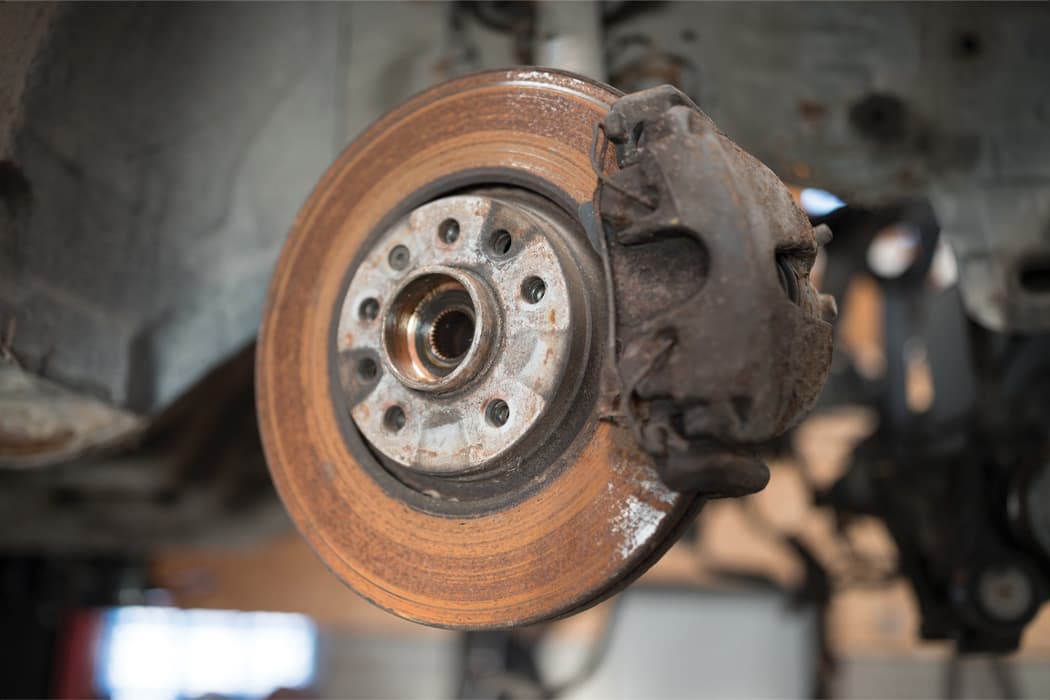
Look through the wheel. If your wheels allow it, glance at pad thickness with a flashlight. Heavy dust buildup and thin pads point to service time.
Listen during a safe test. In an empty lot, brake lightly from neighborhood speed. Then try a firmer stop. If the squeal changes with pressure, tell your tech.
Schedule a brake inspection. A proper check includes pad thickness measurement, rotor thickness and runout, hardware condition, caliper slide operation, and lubrication at contact points. If your car has an electronic parking brake, the shop will follow the factory procedure to retract and reset it.
If the sound shifts to grinding or shaking, or the car pulls, vibrates, or the pedal goes soft, skip the self‑check and head straight for service.
How to Stop Squeaky Brakes
Noise prevention starts with parts that match the vehicle and a shop that does the details.
Choose quality pads designed for your car. Application‑specific compounds stop quietly and protect rotors better than bargain pads.
Replace hardware, like shims and clips when you replace pads. It’s a small addition for a big noise reduction.
Clean the bracket rails and lubricate contact points with the correct high‑temp brake lube.
Bed in new pads and rotors as instructed. That first 100 to 200 miles sets the tone for noise and pedal feel.
Don’t ignore early squeals. Small fixes like cleaning, hardware, and de‑glazing, are cheaper than pads worn to metal.
For deeper dives, see our related guides: When to Replace Brake Pads, and What Happens If You Don’t Fix Brakes.
A Quick Ear Guide - What That Sound Might Mean
Different noises point to different issues. Use this as a rough translator when you’re trying to explain the sound to your technician.
Light morning squeal, then silence: Moisture/rust film scrubbed off, normal.
High, steady squeal at light pedal pressure: Wear indicator tab or glazed pads/rotors. Inspection needed.
Chirp once per wheel rotation: Could be small debris stuck to the rotor or a pad contacting a rotor high spot.
Brake squeal vs. brake grind: Squeal is a high, sharp tone that may change with light versus firm pedal and sometimes fades as parts warm. Grind is a coarse scraping that grows with pedal pressure and usually means metal-on-metal contact. Grinding is unsafe, schedule service now.
Groan at very low speed just before stopping: Often a pad compound trait, can be normal if no other symptoms.
Metallic scraping that gets worse with braking: Pad worn to backing plate or severe rotor groove. Very urgent.
When you’re ready, swing by for a brake inspection. We’ll tell you what’s normal, what’s not, and whether you’re looking at a quick clean‑and‑lube or fresh pads and rotors. Either way, you’ll drive away with quiet brakes and a clear plan.