How to Tell If Your Drum Brakes Need Changing
By Ryan Boccaccio
Published 08/15/2025
Maintaining your vehicle’s brake system is one of the most important parts of making sure you are safe on the road. At first glance, many drivers may not be able to quickly identify the symptoms of bad drum brakes, but you’ll most certainly notice the effect on your ride. With drum brakes tucked away and out of sight, they can be easy to neglect. But by listening carefully to your car and scheduling a routine drum brake inspection, you can stay safe on the road while maximizing the lifespan of your brakes.
Let’s break down exactly how drum brakes work, the difference in brake drums vs. brake shoes, how to tell if brake shoes are worn, and typical drum brake repair costs. Whether you’re hearing weird sounds or just being proactive, you’ll walk away with the know-how to stay safe and confident on the road.
What are Drum Brakes?

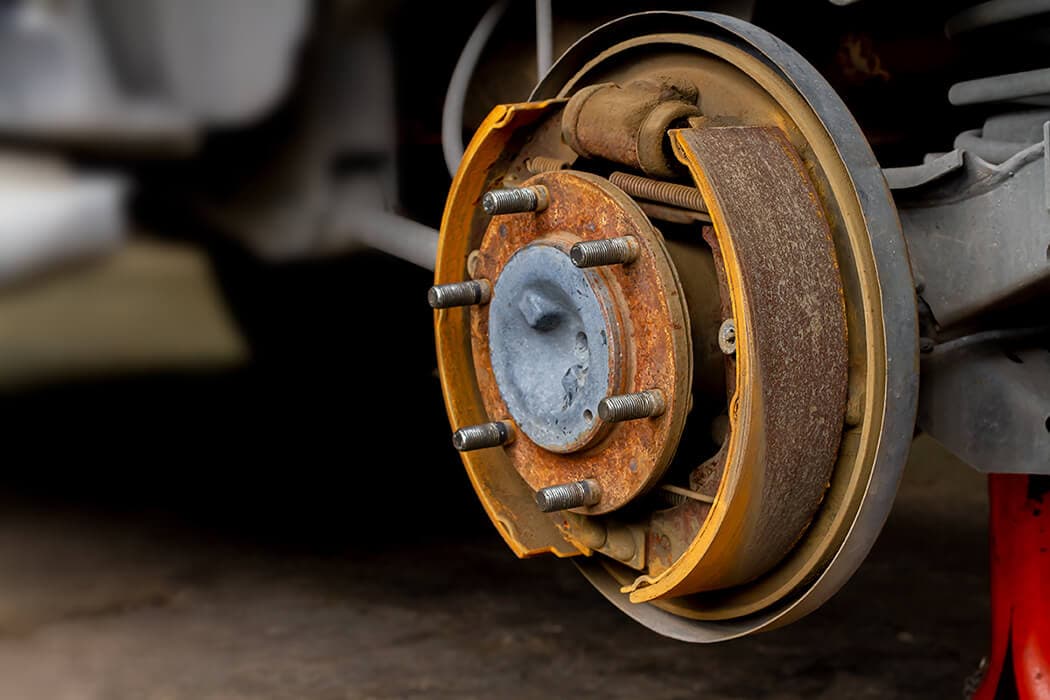
Open view of rusted drum brake with heavily-worn brake shoes.
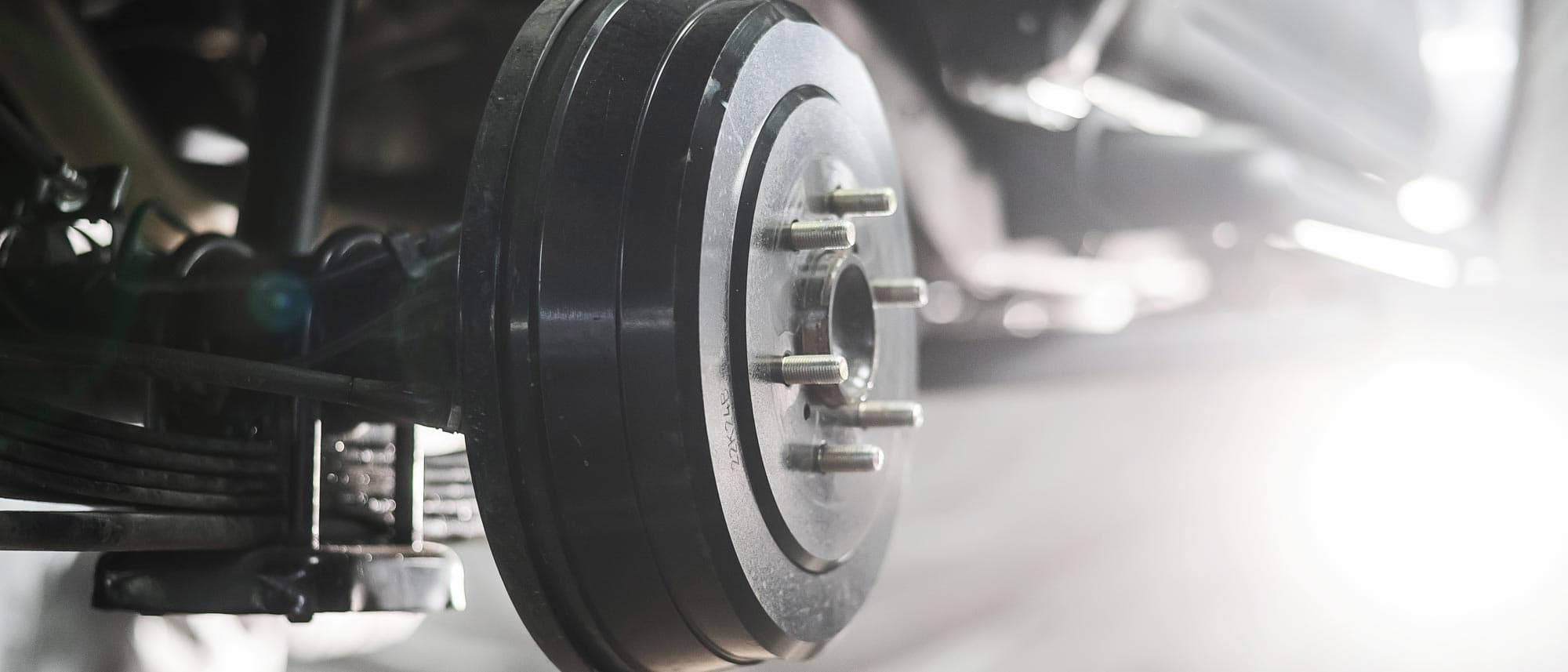
Drum brakes rely on large, cylinder-shaped ‘drums’ that sit over each wheel, kind of like barrels. Inside each of these drums, you'll find components called brake shoes. When you press your brake pedal, these brake shoes expand outward, pushing against the inner surface of the drum. That contact creates friction that slows down your wheels and brings your car to a safe, complete stop.
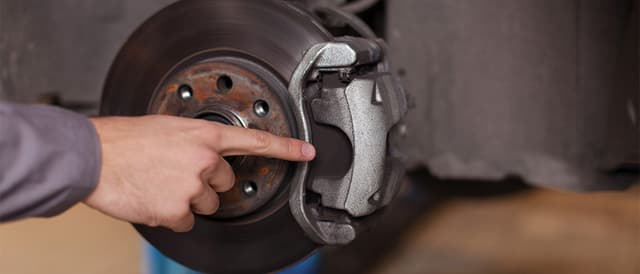
Disc brakes are more common and work a bit differently. Instead of drums and shoes, disc brakes have flat, disc-shaped rotors on each wheel. When you brake, pads on either side of the disc clamp together and stop the vehicle’s forward momentum. While disc brakes often provide better cooling and quicker stopping power, drum brakes are still commonly used, especially for rear wheels, due to their cost-effectiveness and reliable performance.
Read our comparison of disc vs. drum breaks here.
Don’t worry, you don’t need to be an expert at all the intricacies to your car’s very sophisticated braking system. But understanding this basic concept can be helpful, because knowing when to replace drum brakes can save you money and, more importantly, keep you safe.
Here are just a few of the hazards that a faulty drum brake can cause, and why it's so important to be mindful and vigilant when it comes to monitoring your car’s braking abilities:
Increased Stopping Distance: Worn out drum brakes will begin to reduce your braking efficiency, meaning it takes longer to stop. This can be dangerous in emergencies.
Compromised Vehicle Stability: Drum brakes won’t necessarily wear out at the same time. Uneven wear can lead your car to pull or swerve, especially hazardous in wet conditions.
Complete Brake Failure: A worst case scenario, but severely worn brake shoes or damaged components can cause complete brake failure and significantly increase the risk of accidents.
Symptoms of Bad Drum Brakes
You don’t have to be a seasoned mechanic to identify a possible problem with your drum brakes. Here are some easy things to keep an eye out for that even a novice driver can notice:
Soft Brake Pedal: Does it feel like stepping through soft mud when pressing on your brake pedal? Worn brake shoes or leaking brake fluid from the wheel cylinders could be the culprit.
Rear-End Vibrations: Do you notice your care shaking or vibrating, especially when braking? This could be a cause of warped or unevenly worn brake drums.
Car Pulling to One Side: If your car drifts when braking, this can also be a sign your brakes have uneven wear.
Weird Noises: Squealing, grinding, or scraping sounds aren't just annoying. They are also signs that your shoes are worn down to bare metal.
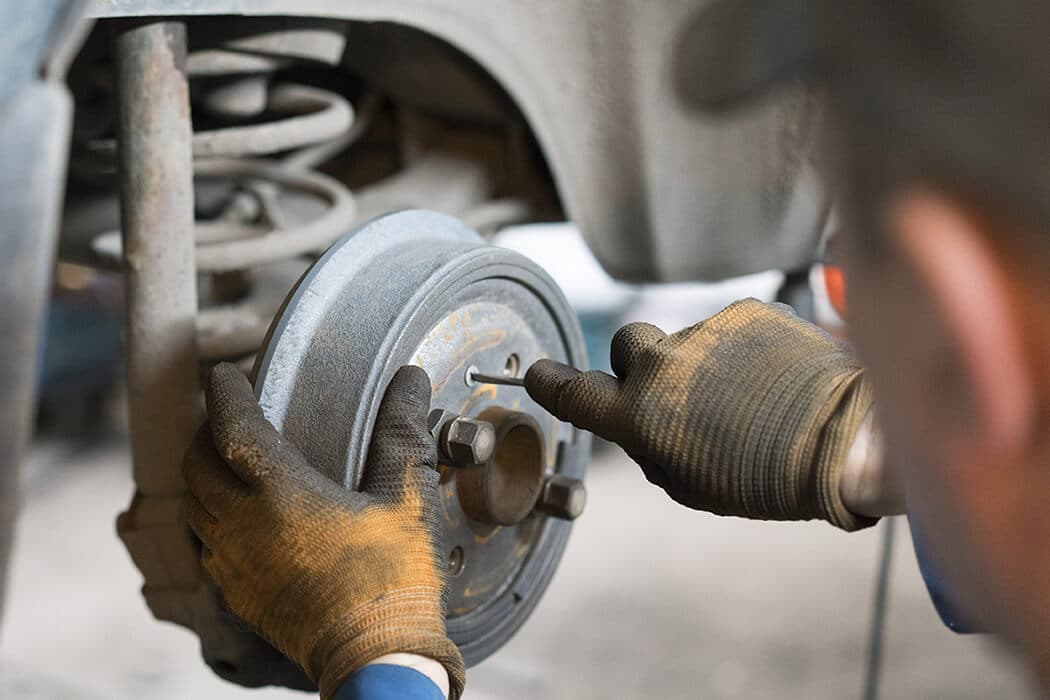
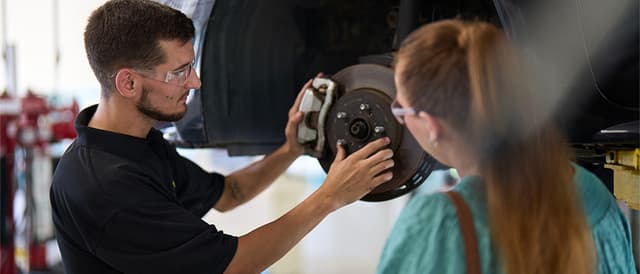
Technician opening a drum brake for inspection
At Mavis, our Free Brake Inspection will go a step further to identify all the potential issues with your brake system, including:
Thin Brake Shoes: Shoes should have a healthy layer of friction material. Thin or worn-down linings means it's time for a replacement!
Grooved or Warped Drums: Smooth, even surfaces are exactly what you want in a good brake drum. Grooves or warping indicate drums need resurfacing or replacing.
Leaking Fluid: Dampness or fluid leaks around your wheel cylinders are obvious signs of brake problems.
Broken or Loose Springs: Springs and hardware hold everything together. A broken part means immediate repairs.
As a driver, you might not see all this detail easily, but don’t sweat it. We inspect your vehicle from all angles, including checking fluid levels, pad thickness, and any leakage from brake hoses or lines. In many cases, a test drive will reveal problematic grinding or screeching noises.
When to replace Drum Brakes
Sure, it's good to know when you might need to replace something, but how often can you expect to do it? How long do drum brakes last? And how to tell if brake shoes are worn?
On average, brake shoes last around 30,000 miles, and require replacement somewhat regularly. Brake drums can last much longer, sometimes even the lifetime of your vehicle. Factors like city driving, towing heavy loads, or neglecting regular maintenance can significantly shorten their lifespan. It’s always a good idea to have them inspected regularly by an expert service technician.
Knowing when to replace drum brakes can help you save significant money over the life of your vehicle. At Mavis, we’ve seen that drivers who ignore grinding noises, on average, can spend over 3x higher in drum brake repair costs. Letting problems fester can lead to much more difficult brake repair issues down the road, such as damaged drums, wheel cylinders, or even suspension components.
What Mavis Techs Check in a Drum Brake Inspection
When you have your brakes inspected by an expert at Mavis, you can trust your car is in the hands of experienced service providers who know what to look for, explain what they find, and help you drive away with confidence. At Mavis, our technicians perform a thorough check, identifying:
Brake shoes
Brake drums
Wheel cylinders
Springs and hardware
Brake adjusters
It's quick, easy, free and provides you with the peace of mind to drive home safely.
Should You Fix Drum Brakes Yourself?
No, don’t try to fix your drum brakes yourself. Unless you're a seasoned mechanic, it's best to leave drum brakes to an experienced service provider. Drum brakes contain powerful springs under tension, and improper installation can lead to severe safety risks.
At Mavis, we can handle it with no hazards and no hassles.
Knowing the signs of worn drum brakes and acting promptly can keep your vehicle safe, reliable, and on the road longer. Spot any symptoms mentioned above? Swing by your local Mavis for a quick, free brake inspection. We've got you covered!