How to Choose the Right Tires
By Chris Pittman
Published 09/26/2025
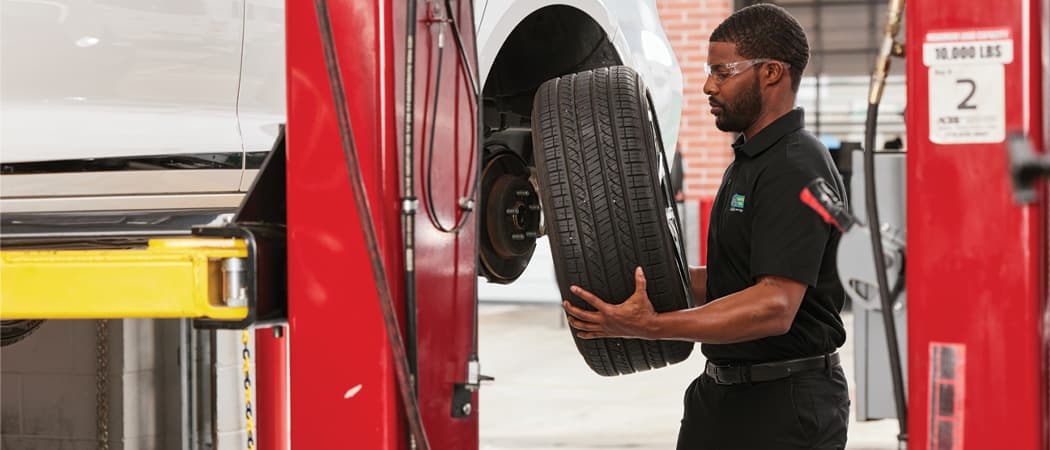
If you’re wondering what the best tires for your car are, you’re not alone. There are a lot of different types of tires and brands on the market, and it can be overwhelming. Today, we will be going over how driving habits, climate, the type of vehicle you drive, and your budget will impact which type of tires you purchase. We’ll then be going over the best places to buy your tires and the basics of installation. We’ve got a lot to cover, so let’s talk about how to choose the right tires for your vehicle.
Consider Your Driving Habits
What tires do I need? This may seem like a no-brainer, but how you drive is a good indicator of the features that you should be looking for in a tire. By choosing tires based on your driving needs, you will get the most out of your new purchase and have them work for you for the long haul. Here are some of the most common driving habits and how they will impact your decision when it comes to weighing your tire options:
City Commuting: If you live in a highly populated city and find yourself in stop-and-go traffic, you’ll want to consider going with tires that focus on comfort and longevity, like all-season tires. These tires will reduce road noise and provide good mileage.
Highway Mileage: If you hit the highway on most days, touring tires will give both a quiet ride and long tread life to provide stability at higher speeds.
Performance Driving: If you drive a sporty vehicle that takes tight corners and makes quick stops, performance tires will be your best bet. These tires will give the most grip on the road and make precise steering for curves and acceleration.
Off-Road/Towing: If you tow heavy loads or drive on rough terrain, then all-terrain or mud-terrain tires will feature the durability you need and deep tread patterns to maintain a sturdy grip on the uneven pavement.
Consider Your Climate
When deciding what tires are best for your vehicle, a big question to ask yourself is how the weather will impact your tires. Harsh winters with freezing temperatures and large amounts of snow are tricky to navigate. Winter tires are made with the intention to stay flexible in the cold temperatures while still providing traction on snowy and icy surfaces. If the weather in your area is standard, not too hot and not too cold for long periods of time, all-season tires would give you the best of both worlds. These tires can function in both wet and dry conditions while also giving the road a good grip in mild winter weather. For weather that spans both ends of the spectrum, all-weather tires are the obvious choice. These tires are 3PMSF rated and will perform at a higher level in the cold and moderate snow compared to all-season tires, but they aren’t as heavy-duty as winter tires.
Consider Your Vehicle
It’s very important to research what types of tires are the best fit for the type of vehicle that you drive. Not all tires are created equally, and some function best with one vehicle as opposed to another. For instance, tires for SUVs vs sedans will require different features and functions. Let’s go through which tires are best for certain types of vehicles and why.
Best Tires for Sedans and Passenger Cars
All-season tires are one of the most recommended types of tires for sedans and daily driving because they balance comfort, fuel efficiency, and provide good traction in wet and dry conditions.
Performance tires can work if your vehicle is sporty or you find yourself cornering and making fast stops frequently. Just remember that performance tires can wear out faster, so if you are looking for something that is cost-effective, this may not be the best option.
If you find yourself driving in harsh winter weather and battling the snow and ice, winter tires are a no-brainer. These will provide the traction you need to keep you safe on the road.
Touring tires are going to be another popular choice for sedans and passenger vehicles thanks to their quiet sound and longer tread life.

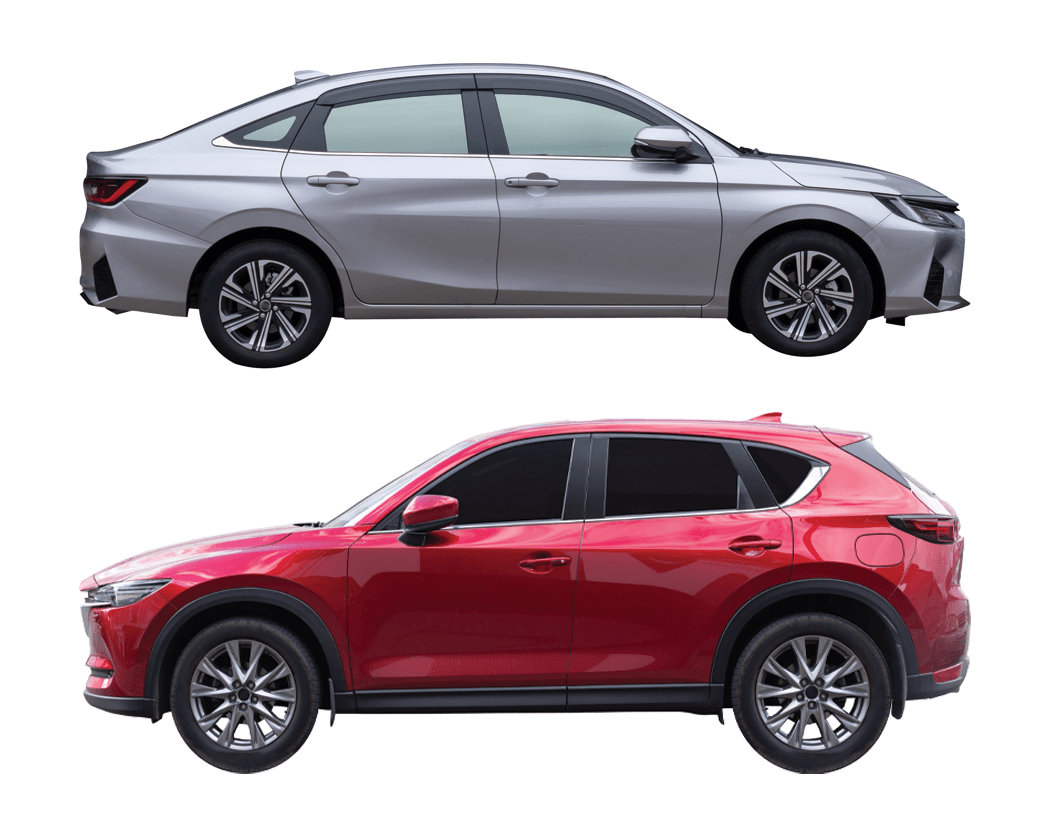
Best Tires for SUVs and Crossovers
SUV/Highway all-season tires are made to hold heavy vehicles while prioritizing a comfortable ride, stability, and maintaining load-carrying abilities.
All-terrain tires have an aggressive tread and reinforced sidewalls, making them perfect for drivers who go off-roading or drive on rural terrain.
Winter SUV tires will have a 3PMSF symbol, indicating that they can take on icy or snowy conditions. They are also constructed to hold extra weight and manage the higher center of gravity that is typical with SUVs.
Crossover touring tires are basically all-season/touring tires that are reconstructed for crossover SUVs. They give comfort, excellent handling, and have the capability to last longer despite the increased weight of the SUV.
Best Tires for Pickup Trucks
Truck all-season tires have a sturdier build that will be heat-resistant while also being made to carry larger loads and have some towing capabilities.
If you drive a truck that is used for work, farming, or off-roading, all-terrain or mud tires are going to give you some of the familiar comfort you have on the road while still having an aggressive tread to function best for your use.
For drivers who sit behind the wheel of a truck for hours on end, as you burn the highway pavement, highway truck tires will be ideal for commuting because of their long tread life.
Best Tires for Electric Vehicles (EVs)
Electric vehicles are going to be heavier than their counterparts because of the battery that powers them. EV-specific tires will need to withstand higher load ratings, low rolling resistance for range and fuel efficiency, as well as tread patterns to reduce noise, since there aren’t any engine sounds to soften the blow.
Sports Cars and Performance Vehicles
Depending on your driving habits and your performance vehicle, Ultra-High Performance (UHP) tires may be worth considering. They function well at higher speeds while withstanding sharp cornering and strong braking. Summer performance tires are another option available for sports cars that don’t drive in winter weather conditions or the more extreme colder temperatures.
Budget & Longevity
Cost is an important factor when making a choice about tires for the short-term or long-term. When talking about budget, a cheaper option upfront may seem preferable; they are usually made with lower-quality materials and have simple tread designs that wear quickly. With faster wear and tire pressure issues come more frequent replacements and a higher cost.
Premium tires may be more expensive at the start, but that’s because of their special rubber compounds, detailed tread patterns, and deeper treads. These tires will give better handling and have a longer lifespan, in addition to better safety than some of the less expensive options on the market.
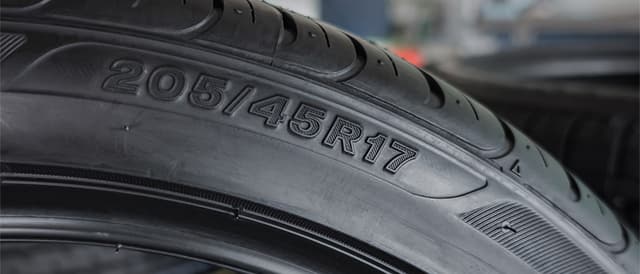
Longevity in tires is important, and looking at treadwear ratings and warranties will give a good idea of a tire’s lifespan. Treadwear ratings with a higher number will indicate that the tires last longer than those with smaller numbers. This treadwear grade is on the sidewall of the tires and should be used in comparison with the other tires you are trying to decide between. A lot of tires will actually come with warranties if they wear out prematurely with normal use. The manufacturer may provide a discount toward replacements, which is a good insurance policy and allows you to get the most out of your investment in Tires.
If your annual mileage is on the lower side, purchasing a midrange tire may be best because the tires will need to be replaced before they wear out naturally. If you have higher mileage and drive on highways frequently, premium tires will save you money in the long run due to their extensive use. You’ll also need fewer replacements and less maintenance. Performance tires are going to deteriorate faster due to their smaller treads and increased wear from sharper handling.
Where to Buy & Install

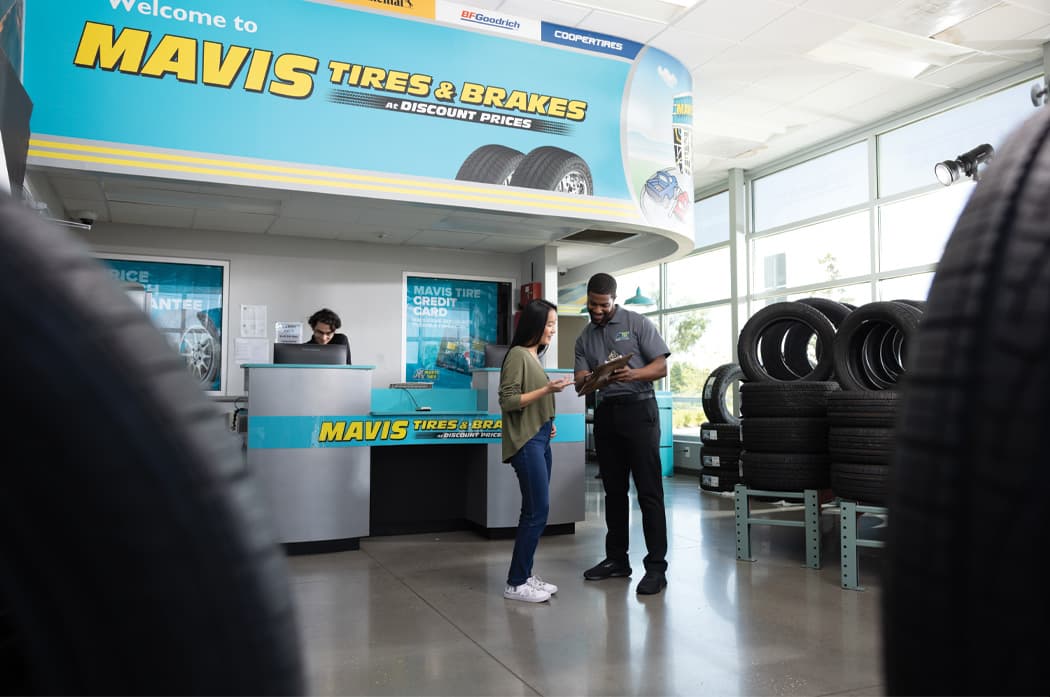
At Mavis, we offer an extensive variety of tires at great prices, where you can buy tires online or in-store, and have installed at your local Mavis store. Our Technicians can help you every step of the way. We’re happy to provide the advice and support you need to drive away confident in your choice.
For more information about selecting the right tires, come visit us at your local Mavis or consult our tire buying guide to outline the options that will be best for your vehicle. You can also take a look at our extensive list of tire brands and let us know if you have any questions. Now, lets get moving!
Tire Buying Guide FAQs
Read Next

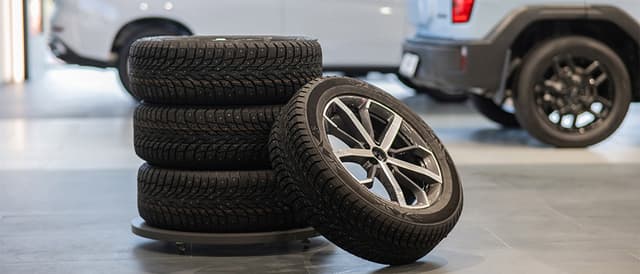

Our in house tire experts are always available to help you find a great tire.

Our in house tire experts are always available to help you find a great tire.