How Long Do Tires Last?
By Tracy Fetters
Published 08/29/2025
A common answer to the question, how long do tires last, is it depends. While there is truth to that, most tires have an average tire lifespan of 50,000 to 65,000 miles, or about five to six years. But how long tires should last depends on the tire type, your driving habits, and maintenance schedule.
Let’s break down what really goes into a tire’s lifespan, from the type of tire to how and where you drive. We’ll dive into tire life expectancy and demonstrate how to make your tires last as long as possible through smart driving habits and routine maintenance.
The Average Tire Lifespan And Why It’s Not ‘One-Size-Fits-All’
According to industry averages and Consumer Reports testing, most tires last 50,000 to 65,000 miles. That’s the benchmark, but think of it more as a starting point, not a guarantee.
Plenty of tires exceed that range. Some wear out well before it. Tire lifespan is actually influenced by a complex mix of factors, including the type of tire, road conditions, your maintenance habits, the climate you live in and the age of your tires. Whether you’re cruising on clean highways or bumping through city potholes, these variables will add up quickly.
For instance, someone who commutes daily on smooth roads in mild weather might squeeze 70,000 miles out of a set. On the other hand, a driver who regularly hits rough roads or drives aggressively could wear theirs out closer to 30,000 miles.
You may ask, how long should tires last on your vehicle? The key question isn't just how many miles do tires last in general, but how long should tires last given your specific driving conditions and maintenance routine. Expect five to six years or 50 to 60,000 miles on average. But keep in mind that your experience may vary widely depending on how you drive and care for your tires.
We’ve covered national averages and expectations. Let's take a closer look at the biggest contributors to tire life expectancy: the type of tire you buy, how you drive, the environment you drive in, and the age of your tire. Understanding how these factors affect your own driving habits helps shift the question from “how many miles do tires last?” to “how long should tires last?”
How Long Should Tires Last by Type?
Not all tires wear the same, and that’s how it’s meant to be. Manufacturers engineer different tire types to serve different purposes, and those priorities influence how long they’ll last. Choosing a longer-lasting tire often means making small trade-offs in grip or performance. But if tire longevity is your priority, start by understanding the type of tires you’re buying and their intended conditions.
Touring and All-Season Tires
These are your everyday driving tires. They’re built for a balance of comfort, quiet, and mileage. Most of them are designed to last 60,000 to 80,000 miles, depending on how well they’re maintained.
Performance Tires
These tires are specifically designed for grip and handling more than longevity. Performance tires use softer rubber compounds that wear faster. It’s not unusual for these to tap out around 30,000 to 40,000 miles, especially on high-performance vehicles.
All-Terrain and Off-Road Tires
These are made to handle dirt, gravel, and rugged trails. They’re tougher, but they’re also subjected to harsher conditions. Expect a lifespan closer to 40,000 to 50,000 miles, depending on usage.
OEM Tires (Original Equipment Manufacturer Tires)
These are the tires that come with your car from the factory. They’re often designed to meet specific performance or fuel economy goals, not necessarily long-term durability. Many OEM tires wear out fast, sometimes after just 25,000 to 40,000 miles.
Seasonal Tires - Winter and Summer
Winter tires and summer tires are designed with different rubber compounds to perform in specific temperature ranges. Winter tires wear out quickly if used in warm weather, while summer tires can stiffen and lose grip in cold conditions. If you’re switching between seasonal sets, each can last longer, but only if used at the right time of year and stored properly in the off-season.
Driving Habits That Make or Break Tire Life
Understanding tire aging will help you adjust your driving style to maximize their lifespan. Fast acceleration, sharp turns, and hard braking all create extra friction and heat. It’s the perfect recipe for speeding up tire wear. Even small habits, repeated daily, can take a toll. For example, rolling aggressively through corners instead of slowing down gradually wears the shoulders of your tires faster. Gunning the gas from a stoplight may feel satisfying, but it spins your tires harder than necessary and burns through tread quicker than steady acceleration.
Short trips can also work against your tires. They may not seem like a big deal, but when your car only runs for a few minutes at a time, your tires never fully warm up. That means the rubber stays stiffer, doesn’t grip as well, and wears unevenly. Over time, those short, frequent drives can add up to a shorter overall lifespan.
Riding with heavy loads or towing regularly can also shorten your tire life. The added weight increases the pressure on your tires and accelerates the rate at which the rubber breaks down. Pair that with over- or under-inflated tires, and your tires are ripe for uneven wear.
Simply put, smooth and consistent driving helps tires last longer. Ease off the gas, coast into stops, give your tires a chance to roll over the road rather than scrub against it. Smart driving isn't just safer, it's also easier on your tires.
Environment & Road Conditions
It’s not just about your driving habits, where you actually live and drive can have just as much impact on your tires. Here are some common environmental conditions to consider that can have fluctuating effects on those illusive “normal driving conditions” everyone is looking for.
Hot Climates
High heat accelerates rubber degradation. If your car sits in the sun often, the UV exposure alone can shorten tire life.
Cold Climates
Repeated freezing and thawing cycles can cause cracks in the rubber. Plus, winter tires used in summer wear out rapidly due to softer rubber compounds.
Rough Roads
Gravel, potholes, speed bumps, and sharp debris all hit tires harder than smooth asphalt. Urban drivers might notice quicker wear compared to highway commuters.
Salt and Moisture
Coastal or snowy regions introduce salt into the driving equation, which can seep into minor cracks and corrode tire structure over time.
None of these things make tires unsafe by default, but they do put them under more stress. That stress adds up. Even if your driving habits are gentle and your tires are properly maintained, harsh road or climate conditions can shave years off your tire’s expected life. It’s worth factoring into your maintenance plan, especially if you live in an area with extreme weather or rough terrain.
When Do Tires Expire from Age? Understanding Tire Aging
Even if your tread looks good, your tires could still be aging out of their safe window. That’s because rubber, like most materials, degrades over time, especially when exposed to sun, heat, and moisture.
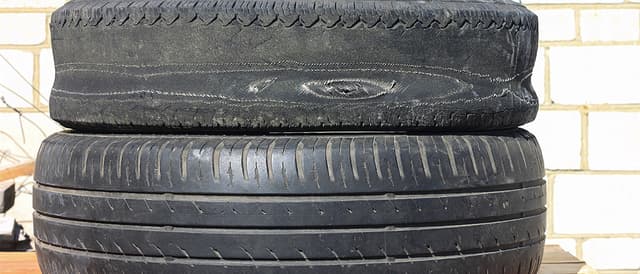
Most tire manufacturers recommend replacing tires every six to eight years, regardless of tread depth. After that window, the rubber compounds start to break down, losing flexibility and grip. Cracks may start to form in the sidewalls or between treads, and your tire’s risk of failure increases.
You can always easily check the age of your tires by finding the DOT code on the sidewall. The DOT code is a series of letters and numbers indicating many manufacturing specifications of the tire. For a tire's age, you just need to look at the very end of the code. The last four digits tell you the week and year the tire was manufactured. A DOT code ending in "2619" for example, means the tire was made in the 26th week of 2019.
Even if your car is rarely driven, age still counts. Tires on stored vehicles age just like everything else. In fact, tires on parked vehicles may degrade even faster if they’re left underinflated or exposed to direct sunlight.
Don’t wait for visible damage to appear. If your tires are more than six years old, especially if they’re OEM tires that came with the car, it’s worth having them inspected by a professional to make sure they’re still ready for the road.


How to Make Tires Last Longer
Want to squeeze every last mile out of your current set? Here’s are some great ways to extend the life of your tires in the long-run:
Regular Tire Rotation
Rotate your tires every 5,000 to 7,500 miles. This evens out wear, especially between front and rear tires.
At Mavis, our technicians can handle tire rotations quickly and efficiently. Which allows even wear patterns that maximize your tire investment. Regular professional rotations are one of the most cost-effective ways to extend tire life.
Proper Tire Inflation
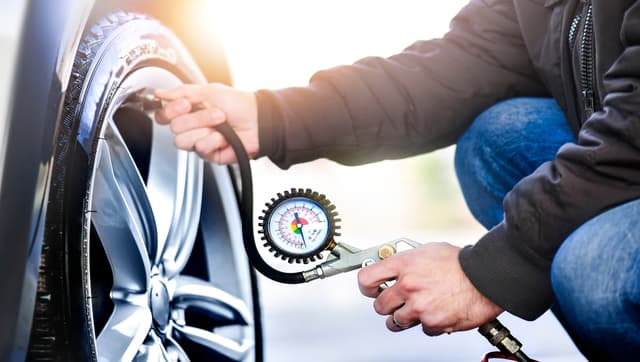
Keep your tires inflated to the recommended PSI, not too high, not too low. Under-inflation causes the sides to wear faster; over-inflation wears out the center.
Keep Wheels Aligned
If your car pulls to one side or the steering wheel vibrates, it’s time for an alignment. Misalignment scrubs tread off tires in a hurry.
If you're experiencing alignment issues, Mavis offers comprehensive wheel alignment services. Our experienced techs can identify alignment problems early, before they cause irreversible tire damage.
Don’t Overload
Hauling heavy cargo? Check the tire load rating in your vehicle manufacturer’s handbook. Overloading stresses tires, leading to heat buildup and faster wear.
Smart Tire Storage
If you use seasonal tires, store the off-season set in a cool, dry place away from sunlight, ozone, or chemical exposure.
Stay consistent with these habits, and your tires will reward you with longer life, better fuel efficiency, and safer performance. A little effort now can mean thousands of extra miles later, and fewer surprise trips to the tire shop.
Still unsure whether your tires are nearing the end? Stop by your local Mavis and we'll help you determine whether or not it might be time for a new set.