Hard Braking: How It Damages Your Car Over Time
By Thomas Sexton
Published 09/26/2025
Is hard braking bad for your car? The short answer is yes.
As a driver, you're dealing with stop-and-go traffic or emergency situations, frequent hard braking can damage your brake pads, tires, suspension, and even transmission over time. We've all slammed on the brakes to avoid a collision or making abrupt stops in heavy traffic at least once before. While safety should always come first, making hard braking a habit can lead to expensive repairs and safety risks.
What happens if you brake hard habitually, and is it hurting your car? We’ll cover what systems can become damaged by repeated hard braking, the safety risks that come along with it, the signs that your vehicle has been negatively impacted by abrupt stops, how to reduce the damage caused by hard braking, and some of the most frequently asked questions we hear from drivers.
How Hard Braking Damages Key Systems
All vehicles experience wear and tear over time, but the goal is to extend the life of your vehicle and its components for as long as possible. Hard braking can cause a lot of damage to different parts of your vehicle, some of which you can see and some that you can’t. Let’s take a look at the damage hard braking can cause to your vehicle and why it happens.
Hard Braking Effects on Brake Pads and Rotors
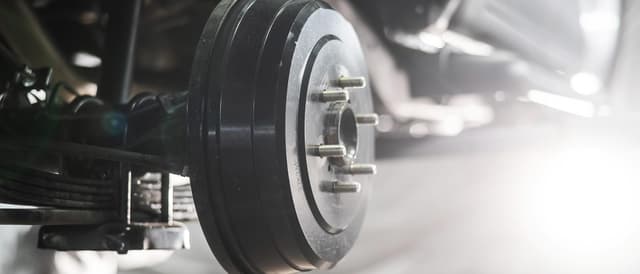
If you’re asking, “Does hard braking damage brakes?” the answer would be yes. Hard braking creates a lot of friction in your tires, which causes the temperature to climb higher. This will lead to the brake pads overheating and glazing, which is when a hard, slick surface is created that reduces stopping power.
Hard braking will also lead to faster wear on the brake pads and rotors, causing them to require maintenance or replacement. This heat can also cause hot spots and warping within the rotors, which leads to vibration and reduces braking efficiency. This can also cause issues in stopping, which poses a safety risk that is best avoided.
Another form of damage that this extreme heat can cause is brake fade. This is a temporary or permanent loss of brake performance that can happen as a result of brake pad damage.
Here are some more things that happen when brakes lose effectiveness due to extreme heat:
For example, when you apply brakes, friction between the brake pads and rotors generate heat. When your vehicle experiences heavy or repeated braking, such as towing, descending long hills, or aggressive driving, the temperatures rise.
This rise in temperature causes the friction material to overheat and lose its ability to “bite” into the rotor (temporary fade). In addition, the resin or binders in the brake pad can break down or burn, which can permanently damage the pads, (permanent fade). The brake fluid can also boil, introducing air bubbles and reducing hydraulic pressure, which is another cause of brake fade,
Tire Damage
If you find yourself repeatedly relying on hard and fast braking, this can cause the tires to lock for short periods of time and lead to a flat spot on the tire. These flat spots create vibrations in the vehicle and tend to be loud when in use. Uneven tread wear can also occur in the form of cupping, scalloping, and ‘bald spots’ that cut a tire’s lifespan short. Your tires will also lose traction as a result of hard stopping, especially in wet conditions. This can lead to increased stopping distance and can be a serious safety risk. You can learn more about the different types of tread wear in our article: Tire Cupping: Causes, Problems, and Prevention.
Suspension and Alignment
If you’re a habitual hard braker, over time, this can lead to worn seals, leaking hydraulic fluid, and decreased damping because of the strain on the suspension system. Bushings cushion suspension links, and under pressure they lose their effectiveness as suspension joints wear down. This can actually knock the wheels out of alignment, which causes more tire wear, steering pull, and poor handling.
Transmission
When it comes to the vehicle’s transmission, hard braking has a handful of indirect effects. Abrupt stops can lead to a fast shift in drivetrain force, which puts stress on the transmission system and causes early wear. And, to top it off, the heat created by hard braking can impact other components of the transmission system, such as fluid coolers.
Overall, there isn’t a component of your vehicle that isn’t negatively impacted by hard braking. Now that you know the impacts it has on your car, let’s talk about the safety risks that you could face as a result.
Safety Risks
Safety is the most important factor when getting behind the wheel, and braking abruptly can put you, your passengers, and other drivers at risk. We see a lot of people in the shop who get into rear-end collisions because of hard braking. So, is hard braking dangerous? It can be.
The abrupt deceleration makes it difficult for drivers to react and can lead to accidents. It’s also common for a vehicle to skid, spin out, or jackknife when a driver is travelling at high speeds or in slippery weather conditions, which can lead to scary situations. Plus, if you’re towing any form of cargo, the weight shift with hard braking can impact vehicle balance and make it more difficult to control your vehicle.
On top of the accident risk, some drivers and their passengers experience whiplash and back injuries when stopping hard. We’ve also seen injuries when the airbags are deployed or the seatbelt presses against a passenger. It’s important to note that airbags will only deploy on contact.
Signs of Negative Impact
All vehicles experience wear and need maintenance over time, but there is a difference in the damage that is caused by hard braking vs. normal braking wear and how it shows up in your driving experience.
If you are noticing it takes your vehicle longer to come to a stop after pressing the brake pedal, you may want to get your brake system inspected. It’s possible your rotors have warped or you’ve worn down your brake pads as a result of aggressive braking. Hard or excessive braking can cause a glazing on the brake pad which lowers what's called the coefficient of friction and in a sense lowers its stopping ability distance.
While pressing on your brake pedal, if your vehicle begins making unusual noises, like squealing, grinding, or rattling sounds, this could be another sign of worn parts or glazed brake pads. In addition, lubrication that is put on metal parts such as the pad to caliper contact points and the sliding mechanisms on calipers could dissipate over time from heat. The result could be squeaking.
Your tires may begin making thumping noises or sensations while driving, which could be a sign that they have bald spots of excessive tread loss because of the pressure from hard stopping over time. In addition, the tires could have flat spots from where a brake locks up causing the portion of the tire to become flat. This situation has greatly reduced over the years due to the ABS braking system pulsing the brake to avoid "lockup".
The suspension system is also impacted by hard braking. When this system experiences damage or wear, it can lead to a bumpy driving experience because of damage to the shock absorber. In the reverse, a "worn" shock or Strut can result in excessive tire hop reducing the brakes effectiveness due to the tire not making constant contact with the road.
Alignment issues can show up through steering and handling. The vehicle may pull to one side or vibrate, indicating that your alignment and suspension joints have been negatively impacted.
If warning lights appear on your dashboard, like the check engine light, anti-locking brake system (ABS), or traction control indicators, this is a big, glaring sign that there is a malfunction in these important systems. Do not ignore this warning.
Sometimes you will notice spots of oil, brake fluid, or transmission fluid under the car, which could be a sign that seals or lines are potentially damaged because of the heat which then leads to hard braking. Leaks or spots can be attributed to gaskets shrinking due to time or heat. A seal leaking because of wear, a brake line because of rust.
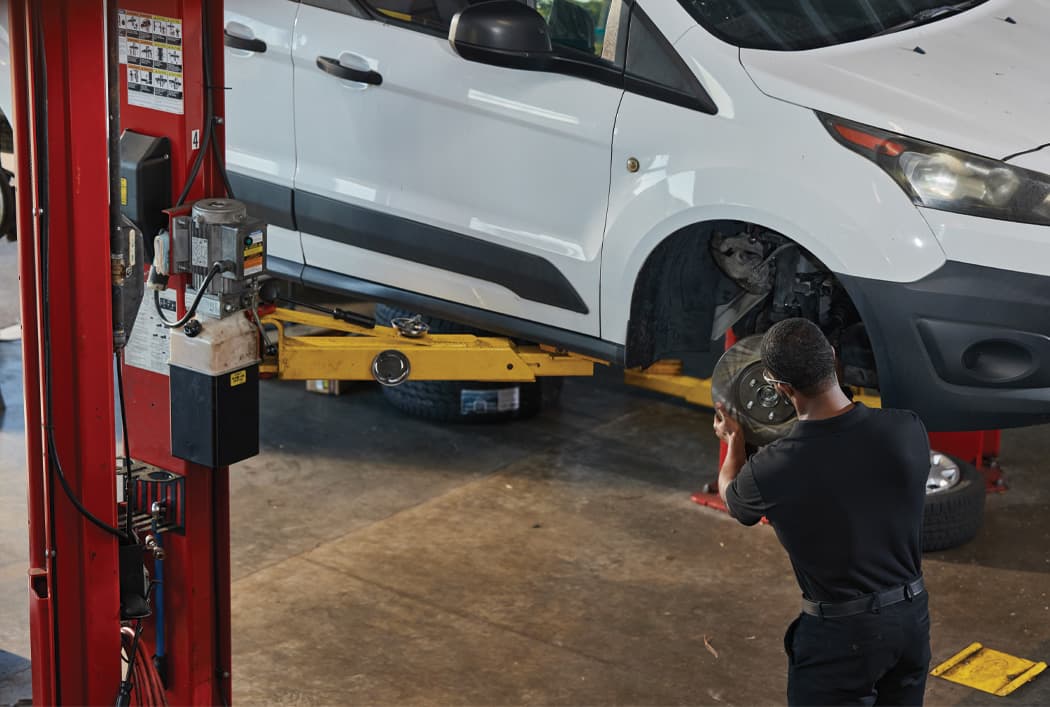
If you are noticing any of these signs or experiencing any issues with your vehicle that are out of the ordinary, a visit to a trusted technician will help to sort out the problem.
How to Stop Braking Too Hard
The first step in avoiding hard brakes is to keep a safe distance between you and the car in front of you. When you’re on the road and see traffic lights or stop lights in the distance, work on stopping early, giving your vehicle time to decelerate gently instead of putting strain on your car with a quick stop.
When driving, one way to practice is to pretend like you have a sleeping baby in the back that you don’t want to wake up. This will encourage you to press on the brake more delicately and smoothly bring your vehicle to a stop. By focusing on a gentle ride, this will reduce the heat and stress that happens to your brake system.
Another tip to help place less strain on your vehicle: when descending a hill or slowing down, try downshifting to let the engine slow the car. This will reduce wear on the brake pads and rotors over time.
You should also make sure that you’re alert and aware of your surroundings so you’re prepared to stop when necessary. This will help you anticipate any upcoming stops and avoid hard braking at the last minute. Minimizing distractions will not only keep you safe, but also allow you to prepare for any necessary stops that could be coming up.
So, here's your extended answer to the question, “What does hard braking do?” If you are one of the many drivers who rely on hard braking in your day-to-day driving, remember that while there are ways to prevent it, the damage it causes is unavoidable. If you have any lingering questions about brakes, check out more information on our Brake Repair hub, or schedule and appointment today!