Do Tires Expire? How to Tell if Yours Are Too Old
By Dan Krauss
Published 10/03/2025
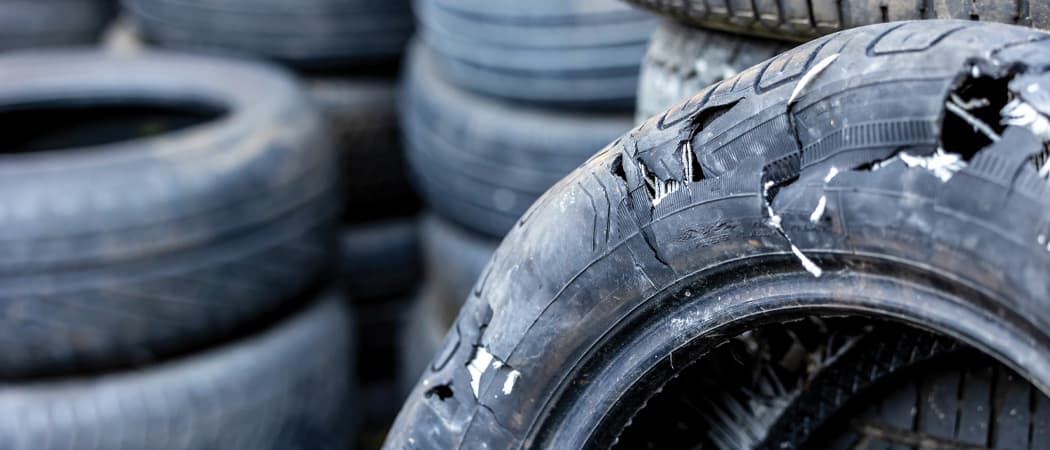
You check your tread and it still looks decent. Plenty of life left, at least to the eye. But the sidewalls look a little weathered, and you can’t remember when those tires went on. If you’re wondering whether tires can expire, you’re asking the right question.
Here’s the short answer: yes, tires effectively expire with age, even if they haven’t hit the mileage you expected. Rubber compounds change over time. Oxygen, ozone, heat, and sunlight harden the rubber and weaken the bonds inside. That process is accelerated on hot or salty roads. This guide shows you how to check tire age using the DOT code, what aging looks like with your own eyes, when to replace by calendar, and how to slow the clock.
Do Tires have an Expiration Date?
Tires don’t have a printed “use by” date like food products, but tires can age out. The rubber in a modern tire is a mix of polymers, oils, and protective additives. As months and years pass, oxygen works its way in and slowly changes those materials. UV light dries the surface. Heat accelerates everything. And the internal layers that carry load, the cords and belts, age right along with the rubber you can see.
That’s why the guidance should consider calendar years, not just miles. As a practical benchmark, many tire and vehicle manufacturers recommend annual inspections once a tire reaches about six years from its build date and replacement no later than around ten years, even if there’s plenty of tread left.
Some vehicle makers call for stricter timelines. Always follow your owner’s manual if it’s more conservative.
A key detail: spare tires also age, particularly the ones stored under or on the back of the vehicle. The compact spare in the trunk and full-size spare on an SUV or truck are made from rubber just like your road tires. They deserve the same age checks.
Why Do Tires Age?
Drivers naturally think about tread wear because it’s visible and easy to measure. Age is different; it sneaks up even on cars that don’t rack up miles. At the chemical level, rubber is a blend of polymers, oils, and protective additives. Over time, oxygen and ozone slip into that blend and react with the rubber, slowly changing its structure. Tires have built in protectants that do their job for years, but eventually get used up. That’s when the surface begins to dry and those first hairline cracks show up.
Heat, which increases dramatically when a tire is used on the road, speeds up the whole process. Every drive heats up the tire, every stop lets it cool. That warm/cool cycle encourages tiny changes in the compound and stresses the bonds that hold the tread, belts, and casing together. Hot climates, heavy loads, and long highway runs simply push the clock faster.
Sunlight and weather add their own pressure. UV light breaks down the outer layer and draws out flexibility. Coastal air brings salt and more ozone. Let a vehicle sit for weeks and the same patch of rubber stays compressed under the car, which can leave a flat‑spot feel and accelerate surface cracking in that area.
Then there’s oil and plasticizer migration. Tires contain ingredients that keep the rubber supple. With time, especially in storage or on rarely driven vehicles, those ingredients move and disperse. The compound feels harder and can get a slight glossy look, even if the tread depth is perfect.
As the material ages, it gets stiffer. Stiff rubber doesn’t grip like it used to. Inside, the layers that hold the tire together can lose their bond. That’s why an older tire with “good tread” can still be risky.
How to Check Your Tire Age - DOT CODE
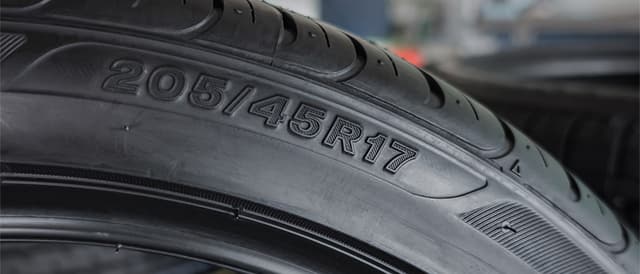
The exact build date lives in the Tire Identification Number (TIN), often called the DOT code; it is molded into the sidewall. The DOT code is a series of letters and numbers that identify different specifications of the tire. Things like who made it, tire size, and when the tire was built.
The last four digits of the DOT code tell you the week and year the tire was made.


How to read it:
The last two digits are the year. The two before that are the week of that year.
Example: 2319 = built in the 23rd week of 2019.
Quick reference:
DOT … 2323 → mid‑June 2023
DOT … 0522 → early 2022
DOT … 4420 → late 2020
Pre‑2000 codes (rare on road cars):
Older tires used a three-digit code. If you see a three-digit block without a fourth digit, that tire is decades old and well beyond service life. Replace it before the next drive.
Pro Tip: Write the date on a simple note in your glove box or phone. When service reminders pop up, you’ll know the tire’s age at a glance.
Signs Your Tires Are Too Old (Even if Tread Looks Fine)
Aging rubber leaves clues to pay attention to. Some are obvious. Others you can feel through the wheel.
Surface cracking ("dry rot") - Fine lines on the sidewall or between tread blocks are early signs. As they grow, they can connect and deepen. When cracking is significant, or when it reaches the cord layers, or runs around the circumference, it’s time to replace.
Bulges or bubbles - A bump on the sidewall means the inner structure has separated or torn. That tire can fail with little warning. Replace immediately.
Harder, slick-feeling rubber - Press a fingernail into the tread. On a new tire, it leaves a faint mark that rebounds quickly. On an aged tire, the rubber may feel glassy.
New vibration or a thump - After a long sit, an older tire can feel flat-spotted or lopsided. If the vibration doesn’t settle after a highway run, have it checked. It can be a sign of internal separation.
Cracking where rubber flexes - Look at the base of the tread blocks and near the bead, where the tire seals to the rim. Small cracks that look like a network across these flex zones are red flags.
If you see two or more of these signs, schedule an inspection.
Special Cases (Additional Things to Watch For)
Spare tires - It’s easy to overlook your spare tire. The spare ages with the calendar, not with mileage - especially when not stored inside the vehicle. Check the DOT date and the pressure at every service. Replace spares by age just like your road tires.
Performance summer tires - These use grippy compounds that age quickly. They also get very firm and lose traction in cold weather.
Run-flats - Aging signs apply in run-flat tires as well. Because run-flats often live without spares, it’s a good idea to keep a closer eye on them.
RVs and trailers - These vehicles spend long periods parked. It’s often common to replace these tires by calendar rather than tread. Many owners use seven years as a practical ceiling, but inspect yearly after five.
Risks of Driving on Aged Tires
Old tires could bring real, avoidable risk. Here’s how problems can appear:
Blowouts and tread/belt separation: Aging weakens the bonds that hold the tire together. Heat from highway speed creates stress. A separation can rip tread from the casing or open a sidewall.
Longer stops and vague grip: Hardened rubber doesn’t bite the pavement like it used to, especially in the rain and snow. Stopping distances go up. Traction control and ABS end up working overtime.
Poor winter behavior: Aged all-season rubber stiffens in the cold. Starts to feel slippery. Cornering gets uncertain. Even if the tread has depth, the compound isn’t doing you any favors.
Collateral damage: A failing tire can chew up the wheel, damage suspension parts, or even send debris onto the road.
How Long Do Unused Tires Last?
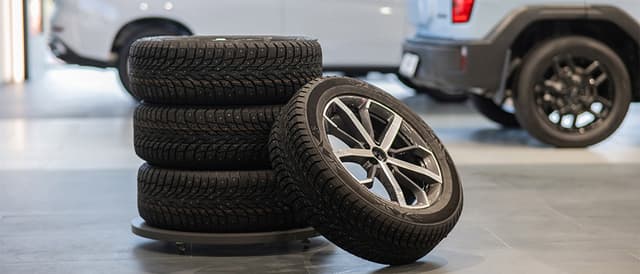
Stored tires age more slowly, however, oxygen still diffuses into the rubber and the oils that keep it supple slowly run dry, whether the tire is in use or sitting on a shelf. Think in terms of two clocks: “shelf life” is the time in storage and “service life” is the time on the vehicle. Both add up to the tire’s total age. Good storage slows the process. Keep sets in a cool, dry, dark space indoors, away from windows, heaters, and ozone sources like electric motors or welders. Don’t park them on bare concrete.
Tips for Maximizing Tire Life
You can’t stop time, but you can slow its effect on your tires without turning it into a second job. Here are some simple habits that really work.
Keep pressure on-spec: Underinflation builds heat. Check monthly, before long trips, and during temperature swings.
Rotate on schedule: Even wear keeps stress balanced and reveals problems early. Follow your owner’s manual or ask for a tire rotation with every oil change.
Drive it regularly: Cars that sit for months will age the tires in one spot. A weekly drive brings oils to the surface and helps the tire keep its round shape.
Park smart: Shade beats direct sun. A garage beats shade. If you store a set, bag them and keep them indoors.
Clean gently: Mild soap and water are fine. Skip harsh solvents or heavy silicone dressings that can dry rubber.
Store unused tires properly: Once clean, store your tires in a cool, dry, dark place. Stand the tires upright, and keep them away from chemical and ozone sources.
If your tires are near the six‑year mark, or you spot cracking or a bulge, book a quick check. We’ll read the DOT date, inspect the structure, and tell you if it’s okay to monitor or if it’s time to replace. As a rule of thumb, most tires age out by about ten years. Proper storage and correct pressure help slow the clock, but time still wins. When in doubt, let the experts at Mavis take a look.