






Safety Tips: Driving in the Rain
Staying alert while driving is particularly important and more so in situations when your vision is partially obstructed while driving in the rain. Keep both hands on the wheel at all times.
By Korey Smith
Published 09/26/2025
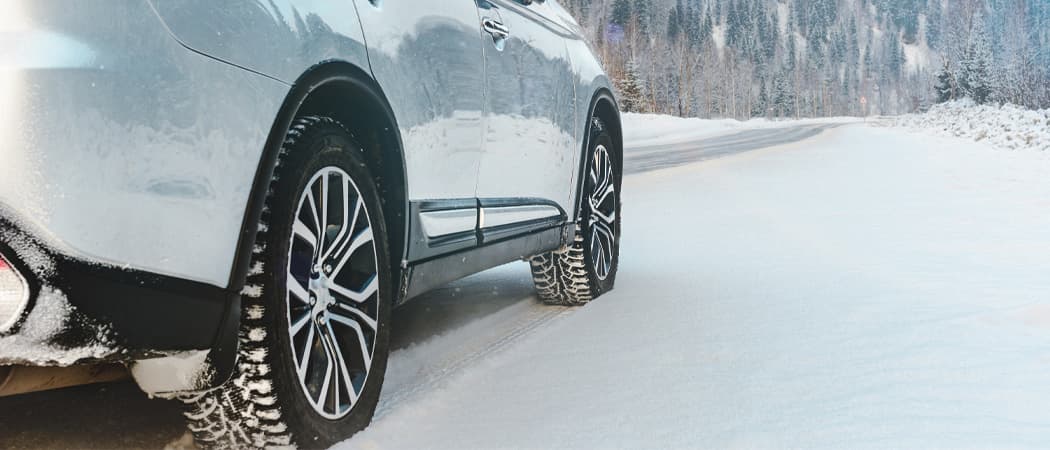
Wondering if you need winter tires is a very important question to ask yourself. Winter tires can significantly improve safety in snow and ice, but they're not necessary for every driver. The decision comes down to your climate, driving conditions, and local weather patterns. In this guide, we'll explain when winter tires are worth it, how they differ from all-season tires, and help you determine if they make sense for your situation.
Do winter tires make a difference? The short answer is yes. The bottom line is there is no one-size-fits-all tire when it comes to road conditions. With some tires, your traction suddenly disappears when temperatures plunge, and roads freeze. Under some winter conditions, your ability to brake safely hinges on some basic physics: the rubber compounds contained in your tire, their tread design, and whether they’ve been outfitted with snow-specific designs.
Despite their obvious benefits, understanding when to get winter tires and if they’re even necessary can be tricky. We’re here to help. In this guide, we’ll break down the differences between winter, all-season, and all-weather tires. Our goal is to help you identify when winter tires make sense, as well as when they don’t. Want to gain the confidence you need to make an informed decision about your tires this winter? This is your starting point. Let’s hop in.
Choosing the right tire can be a bit overwhelming. When it comes to finding tires for winter conditions, a lot of that confusion comes down to the different tire variety names. For starters, there are “all-season” tires, “all-weather” tires, and “winter” tires. If you’re not entirely sure what sets them apart, you’re certainly not alone. Understanding the basic properties of these tires can help you make a more confident, safe choice without sweating the technical details.
Let’s take a closer look at each of these tire options:
All-season tires are designed to provide a solid balance between traction, comfort, and longevity across a wide range of weather conditions. This well-balanced versatility is why the majority of manufacturers initially outfit their vehicles with all-season tires when they roll off the assembly line. These tires are touted for their performance across the spectrum, more than holding their own in warm, dry, rainy, and light snow conditions.
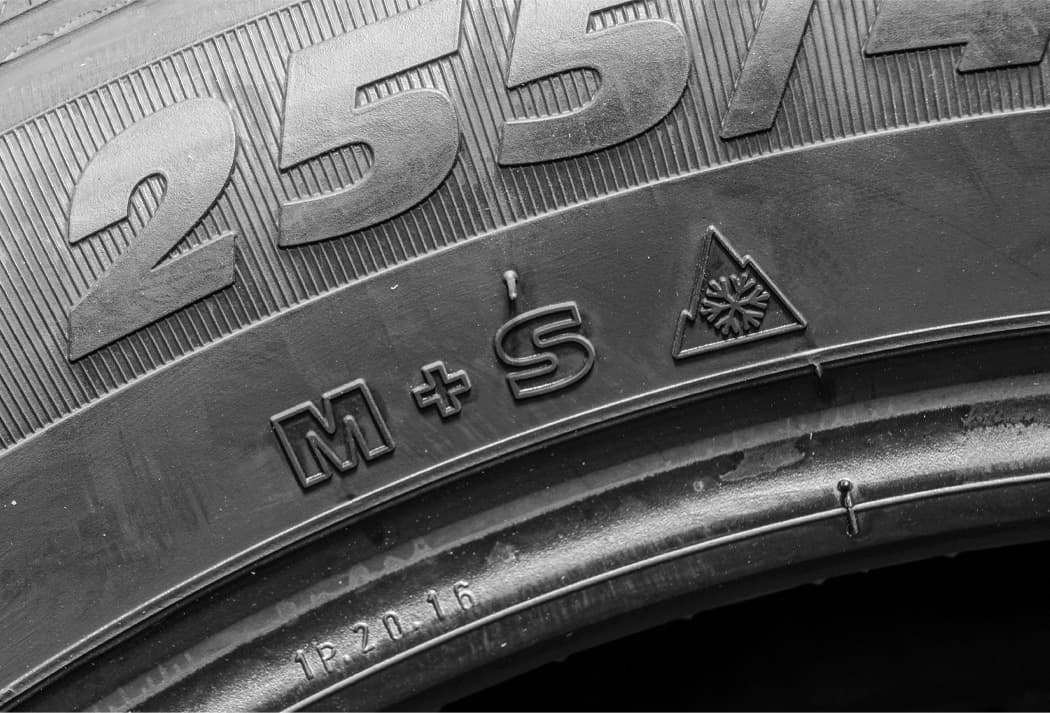
The rubber compound in all-season tires will start to stiffen up as temperatures drop below the 45°F threshold. As the rubber hardens, the all-season tire grip decreases and increases the required stopping distance on cold pavement. Many all-season tires feature an M+S, which is a Mud and Snow rating. It’s important to note that this marker refers to the tread pattern and is not an indication of cold-weather performance.
If all-season tires are a balanced variety, all-weather tires are perhaps well thought of as a hybrid option. Compared to all-season tires, all-weather tires are designed to provide better performance in snow and slush while still delivering admirable year-round performance. You’ll often see the ‘3PMSF’ symbol on the sidewall of all-weather tires, which stands for Three-Peak Mountain Snowflake. This is the same rating used on winter tires and is used to indicate that the tire meets specific traction requirements for severe snow service.
Generally speaking, all-weather tires provide a solid solution for drivers who do the majority of their driving in conditions featuring occasional snow and colder winters. They’re also a good choice for drivers who aren’t necessarily keen on swapping out their tires each season. And although all-weather tires may be regarded as a safer option than all-season tires during the winter, they don’t provide the same performance as true winter tires in deep snow or ice.
Winter tires have no equal when it comes to providing optimal cold-weather traction. They use softer rubber compounds that maintain their flexibility in frigid temperatures, which make sure that the tread can maintain grip over the road instead of sliding across it. In terms of safety in extreme winter conditions, there is no understating the importance of that kind of performance. Winter tires feature deep tread blocks and biting edges, which can more easily channel slush and dig into the snow for improved control and braking ability.
Although they commonly feature the unique ‘3PMSF’ symbol, they’re in a class of their own with respect to extreme winter conditions. When it comes to winter tires vs. all-weather tires, winter tires possess an elite ability to navigate snow, ice, and extreme cold that truly sets them apart. That’s why winter tires are generally regarded as the best tires for snow and ice overall. One important consideration: the superior grip winter tires provide doesn’t translate to warm weather. Outside of winter driving, winter tires will wear out faster in warm weather, so they should exclusively be used throughout the colder months of winter.
Let’s dial it back for a moment and provide a quick summary of what we covered above:
All-Season → Good in mild cold, not ideal for snow/ice.
All-Weather → Safer in winter, works year-round, still a compromise.
Winter → Best in snow/ice and sub-freezing temperatures, swap out in spring.
So, are snow tires necessary? Understanding the differences between these tires can help you answer that for yourself and eliminate the guesswork. When in doubt, don’t hesitate to speak with an experienced Mavis technician to quickly match your ideal tires to your driving conditions.
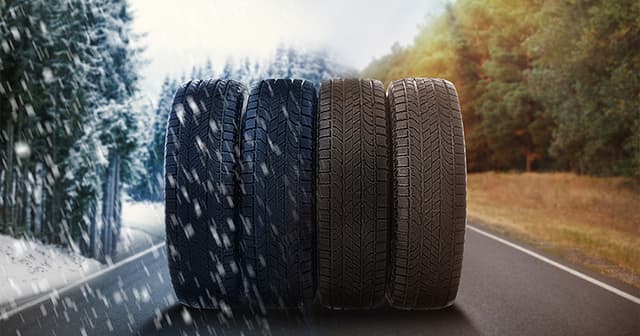
From a visual standpoint, the performance differences between tires are hard to pinpoint. At first glance, tires are virtually identical: black, round, and treaded. Dig a little deeper into the specs, and you’ll quickly find that winter tires are designed uniquely from all-season or all-weather tires. Those differences are ultimately what keep you safe when winter conditions get ugly.
Below, we’ve outlined the key attributes that set winter tires apart:
As temperatures dip below the 45°F mark, the rubber compound materials in all-season tires will harden. This significantly reduces the traction all-season tires are capable of providing because they can’t conform to the roadway. Winter tires have a specialty design that utilizes softer compounds that remain flexible under sub-freezing weather conditions. This added flexibility provides enhanced grip on cold and slick pavement, preventing slides and skids.
The deeper tread pattern you find on winter tires also makes them distinctly different. These grooves, a bit more aggressive in appearance, hence the biting edges, help funnel out snow, slush, and water, which helps keep the consistent contact with the roadway. The effect is improved stopping distances and greater control in winter conditions.
Separate from all-season tires that typically rely on the M+S (Mud and Snow) distinction, winter tires are generally marked with the Three-Peak Mountain Snowflake (3PMSF) symbol. This distinction signals that the tire meets the high traction performance standards in severe snow service. The tire design has been battle-tested for rugged winter conditions.
The real benefit of winter tires has everything to do with safety, providing optimal performance during the most challenging conditions winter can introduce. Whenever you find yourself driving on icy roads, the functional differences of winter tires can provide some critical peace of mind.
It’s best to think of winter tires as a sensible investment in safety. The key consideration is understanding how and when winter tires can make a difference.
Are winter tires worth it for you? Here is a simple checklist you can use to make a confident decision before making the switch:
If you typically encounter lots of snow, ice, or slush where you drive, winter tires can noticeably improve traction and control. Keep in mind, even a little bit of snow can turn some intersections and off-ramps into a dangerous stretch of road. Many drivers turn to winter tires to provide optimal grip under icy and slushy conditions, preventing vehicle slides and increased stopping distance.
Ideally, roads will be regularly plowed and salted during extreme winter conditions. Of course, that’s not always the case. If you routinely drive through winding country roads, steep hills, or shady areas, especially prone to icy conditions, winter tires and the extra bite of their unique tread design can be helpful.
Do you live in an area where conditions remain consistently below 45°F? Even if there’s no snow on the ground, the colder pavement can produce slicker driving conditions for all-season tires. This is because the rubber compounds in all-season tires, which aren’t necessarily designed for frigid temps, will harden and lose traction. Conversely, winter tires are engineered to remain flexible and maintain optimal traction, regardless of the winter chill.
Here’s another common question: Do I need snow tires if I have AWD? While all-wheel drive tires can help get you rolling, this feature doesn’t impact whether you can stop or corner effectively on slicker road conditions. AWD sends power to multiple wheels at once, but if all wheels are sliding, all that power doesn’t do you any favors.
*If any of the conditions above apply to you, winter tires can be a simple solution to ensure your daily drive is safe all season. If you drive in a more mild winter climate where snow and ice are rare, all-weather tires with 3PMSF can be a solid compromise. If you never drive in these conditions, you can likely stick to all-season tires.
As temperatures drop and the roads become slick with ice, virtually every inch of stopping distance becomes crucial to safety. That’s when winter tires deliver measurable improvements here compared to all-season tires. Let’s get into some numbers.
One well-cited Edmunds report shows that winter tires can reduce your stopping distance by roughly 30% in cold, snowy conditions. Another report from MotorTrend comparing different tire types in icy conditions demonstrated a Toyota traveling at 12 mph had an additional 23 feet of stopping distance with winter tires vs all-season. That’s roughly the length of one and a half vehicles!
The safety benefits aren’t exclusive to braking. Winter tires can also provide exceptional handling and control in demanding winter conditions. The biting edges of the tire and siped tread pattern helps ensure you don’t lose control of the vehicle. You can’t set a price on that kind of peace of mind during the more brutal stretches of winter.
Beyond the clear performance differences, winter tires will also provide a layer of protection that can pay off in very big ways. A reliable set of winter tires can mean the difference between stopping safely or sliding into an accident. Even low-speed fender-benders are stressful, time-consuming, and can be disruptive - so preventing them altogether is invaluable.
Still, many drivers will opt for all-weather tires to avoid seasonal swaps. To be clear, this approach provides some solid advantages in winter conditions, but it’s a compromise. All-weather tires are regarded as relatively safe in moderate snow but don’t provide the same level of grip in deep winter conditions. If you typically drive somewhere with lots of ice or heavy snow, a proper set of winter tires are the best option in terms of vehicle safety.
Lastly, it’s worth appreciating the convenience factor. Knowing your vehicle is prepared for the worst winter conditions can provide some invaluable confidence when you need to hit the road. You have some added peace of mind, knowing you won’t need to scramble at the last minute to navigate the elements. Drivers who make the switch to winter tires and experience the performance benefits are often happy to make the investment again when the time comes. That certainly tells you something.
Want to talk shop about winter tires and whether they’re the right choice for your vehicle this season? Visit a Mavis location near you today! Our friendly and knowledgeable technicians can pair you up with the perfect set of tires, helping you optimize safety and performance. Get the peace of mind you need to wrangle whatever winter throws your way and browse our wide selection of specialty winter tires. We’re here to help!
Our in house tire experts are always available to help you find a great tire.

Our in house tire experts are always available to help you find a great tire.