Signs of a Bad Battery vs. Bad Alternator
By Thomas Sexton
Published 08/03/2026
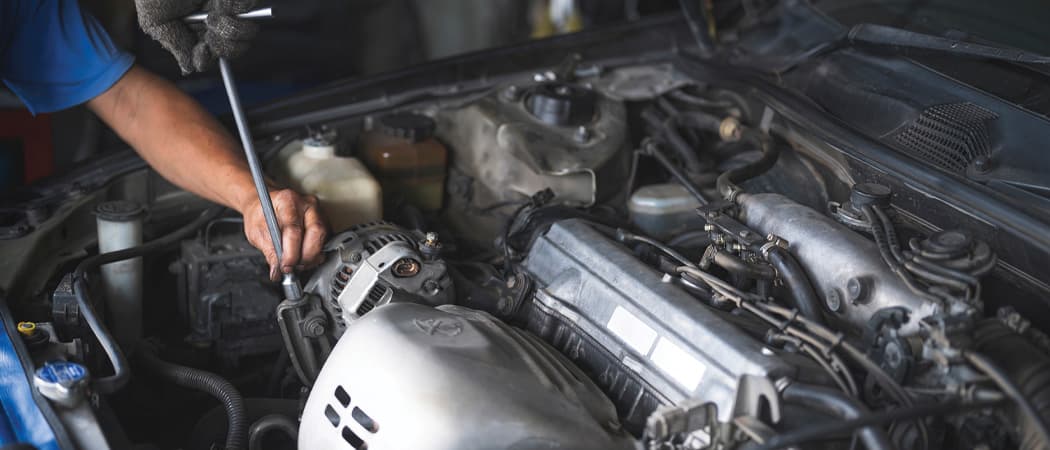
When your car will not start, most drivers have the same first thought: the battery must be dead. Although that is probably true. Sometimes, the battery is only part of the story.
The cause, however, may be a weak alternator that is leaving the battery undercharged. Such a failure can make the whole electrical system seem unreliable. Because the two parts work so closely together, the symptoms can overlap just enough to be confusing. That is usually where the frustration starts. The car cranks slowly one day, needs a jump the next, then maybe starts fine for a while before acting up again. Or the engine starts, but the lights begin dimming and the vehicle dies later on the road. At that point, it is fair to ask whether the problem is really the battery, the alternator, or both.
The good news is that these issues do leave patterns. A bad battery usually shows itself most clearly when the vehicle is trying to start. A bad alternator often shows up once the engine is already running or when the battery keeps going dead for no clear reason. This guide breaks down the signs of a bad car battery vs alternator, explains how each one behaves, and helps you narrow down the cause before you replace the wrong part.
Battery vs. Alternator Basics
The battery and alternator are part of the same electrical system, but they do different jobs. The battery stores electrical power. It provides the strong burst of energy needed to start the engine, and it helps run smaller electrical functions when the engine is off.
The alternator takes over once the engine is running. It powers the vehicle’s electrical systems and recharges the battery while you drive. One failing part can make the other look suspicious. If the alternator stops charging properly, the battery will keep losing strength until the car no longer starts or stays running. If the battery is too weak to start the engine, the alternator never gets a chance to do its job at all.
A simple way to think about it is this: The battery helps start the car. The alternator helps keep it running.
That is not the full technical picture, but it is a useful one when you are trying to sort through symptoms in real life. Before getting into the longer symptom lists, it helps to start with one simple question: when is the problem happening?
If the main trouble shows up when you first try to start the car, the battery moves higher on the list. If the car starts but the electrical system weakens, the lights dim, or the engine dies while driving, the alternator becomes much more likely. This won’t solve every case, but it gives you a useful starting point:
Problem mostly before the engine starts: think battery first.
Problem builds after the engine is already running: think alternator first.
Battery keeps dying again and again: suspect the charging system.
This timing difference is one of the most useful clues in the whole diagnosis.
Key Signs of a Bad Car Battery
Battery problems usually show up in a more concentrated way. The car often struggles most at startup, especially after sitting for a while. Here are some of the most common things you might experience.
Slow Engine Crank
This is one of the most familiar battery symptoms. You turn the key or press the start button, and the engine turns over slowly instead of with its usual speed and confidence. The car may still start, but it sounds tired doing it. That slow crank often means the battery is losing strength and can no longer deliver the same starting power it once could.
Clicking When You Try to Start the Car
If you hear a click, or a rapid series of clicks, and the engine does not turn over properly, the battery may not have enough charge to engage the starter the way it should. This is one of the biggest reasons people search for “clicking noise battery or alternator.” In most everyday cases, clicking during startup leans more toward a weak battery or poor battery connection than a failing alternator.
Engine Won’t Start, but Some Lights Still Work
This is another classic battery pattern. The interior lights may come on. The dash may light up. The radio may even work. But the engine itself will not start. That happens because starting the engine requires much more electrical power than running basic accessories.
Frequent Jump Starts
If the car keeps requiring a jump, the battery is either weak, drained, or no longer holding a charge the way it should. A jump may get you back on the road, but frequent jump starts are not normal. They are a sign that the battery or the system charging it needs attention.
Age, Corrosion, or Visible Battery Decline
Battery age is always a factor. Corroded terminals, swelling, leakage, or a battery that is already several years old all increase the odds that the battery itself is the problem. A battery can appear mostly fine right up until the point it starts falling off quickly. Heat, cold weather, and repeated short trips can speed that process along.
Key Signs of a Bad Alternator
Alternator problems tend to spread their symptoms across the whole electrical system, especially once the car is already running. Here are the common signals you have a faulty alternator on your hands.
Engine Starts, then Dies
This is one of the strongest alternator clues. The battery may still have just enough charge to start the engine, but if the alternator isn’t supplying power afterward, the car may die once that limited battery reserve runs down. The pattern is very different from a typical weak battery that mainly struggles at the start.
Dimming or Flickering Lights While Driving
Headlights that dim, brighten, or flicker while the engine is running usually points to charging-system trouble. The same goes for dashboard lighting or interior lights that suddenly seem unstable. A weak battery usually does not create that kind of running pattern by itself.
Electrical Accessories Acting Strangely
Power windows may slow down. The radio may cut out. The fan speed may seem inconsistent. The dash may behave oddly. When several electrical items start acting unreliable at the same time, the alternator becomes more likely to be the source of the problem.
Battery Warning Light on the Dashboard
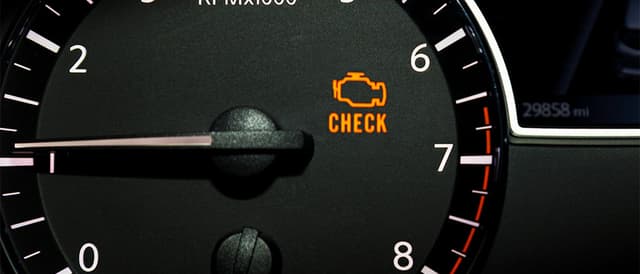
A battery-shaped warning light does not always mean the battery itself is bad. A lot of times it’s really pointing toward a charging-system problem, which puts the alternator at the center of the conversation. That is one of the most common misunderstandings drivers run into.
Burning Smell or Unusual Noises
A failing alternator can sometimes cause a burning smell, whining sound, or unusual mechanical noise if internal components, wiring, or the belt system are involved. Not every alternator failure makes obvious noise, but when it does, it is worth taking seriously.
A Side-by-Side Way to Compare the Two
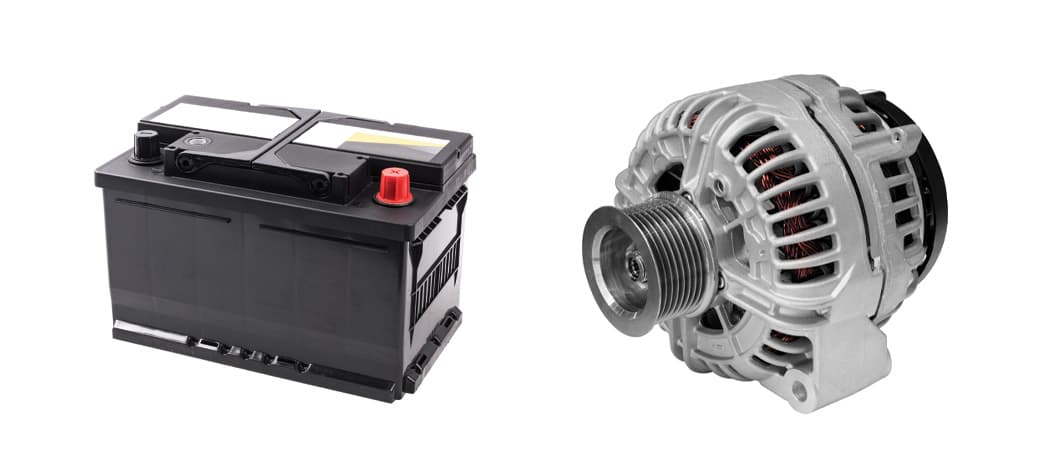
Sometimes, the easiest way to sort out battery vs. alternator symptoms is to compare how each behaves in a few specific situations.
How the Car Behaves When You First Try to Start It
A bad battery usually shows up right away. The engine cranks slowly, clicks, or does not crank at all.
A bad alternator may not stop the car from starting at first, especially if the battery still has some charge left.
How the Car Behaves Once It Is Running
A weak battery may become less obvious after the engine starts, at least for a while.
A failing alternator usually becomes more obvious once the engine is running because the electrical system begins losing stable power.
What Happens Over the Next Few Days
A bad battery may give you a few weak starts, maybe a jump start, then another failure after sitting overnight.
A bad alternator often creates the more frustrating pattern where the battery keeps dying again and again, even after charging or replacement.
What Happens on the Road
A battery problem alone usually does not cause a healthy running car to shut off unexpectedly.
An alternator problem can cause unexpected failure.
What Happens When Both Are Involved
This is where many people get misled. A weak alternator can undercharge the battery over and over until the battery becomes weak, too. Then the car starts showing signs of both problems at once. The battery struggles to start the engine, and even after a jump or recharge, the same issue comes back.
Here is one of the most common scenarios that plays out countless times: the battery dies, the battery gets charged or replaced, the car seems fine briefly, the same symptoms return, the alternator turns out to be the real cause. A tale as old as time. And why replacing the battery alone does not always solve the issue. If the charging system is not healthy, even a new battery can end up drained or damaged.
Simple Ways to Tell the Difference
You do not need to do a full diagnostic workup in your driveway to gather useful clues. A few basic checks can help narrow the picture.
Watch What Happens After a Jump Start
If the car starts with a jump and then continues running normally, a weak battery becomes a stronger possibility. If it starts with a jump but soon dies again, the alternator is much more likely because the battery got the engine going but the charging system could not support it afterward.
Pay Attention to the Lights
If the main problem is concentrated around startup, think battery first. If the headlights dim while driving, the dash flickers, or the electrical system behaves erratically once the car is running, think of the alternator first.
Consider How Often the Problem Repeats
A one-time dead battery after leaving a light on tells one story. A battery that keeps going dead with no clear reason tells another. Repeated failure often means the system charging the battery needs attention.
Use a Basic Voltage Check for Context
A healthy fully charged battery at rest usually reads around 12.6 volts. With the engine running, the voltage should usually rise into a typical charging range somewhere in the mid-13s to mid-14s. If the battery is low at rest but the charging voltage looks normal, the battery may be the bigger issue. If the voltage stays too low while the engine is running, the alternator may not be charging properly.
When the Car Dies While Driving
This symptom deserves extra weight because it points more strongly toward alternator-related failure than a simple weak battery. Once the engine is running, the alternator is supposed to power the electrical system and support the battery.
If the car dies while you are already moving, that strongly suggests the charging system is no longer keeping the vehicle alive. That’s important for safety as much as convenience. An alternator issue can affect lighting, dashboard function, accessory performance, and overall vehicle reliability while you are still on the road. This is not a symptom to keep experimenting with for another week. If the car has died while driving, the charging system deserves prompt attention.
Common Misdiagnoses to Avoid
A lot of drivers replace the battery first because it feels like the obvious answer. Sometimes they get lucky. Sometimes they only end up replacing a battery that was being drained by another problem.
Replacing the battery too quickly - A dead battery feels like clear proof. But if the battery keeps dying again, the problem may never have been the battery alone.
Ignoring the battery warning light - That light often points toward charging trouble, not just a worn-out battery. If it stays on or keeps returning, the alternator needs to be taken seriously.
Overlooking what happens while driving - A startup issue points one way. A running electrical issue points to another. If you only focus on the starting symptom, you can miss the more revealing pattern happening after the engine fires up.
Treating one event like the whole diagnosis - One hard start does not tell the whole story. The useful question is what keeps happening. Does the problem stay centered on startup, or does it expand into broader electrical instability?
Why Patterns Matter More than One Symptom
This is really the center of the whole comparison. A single symptom can mislead you. Clicking can mean a weak battery, but it can also happen because the battery has been drained by a charging problem. A battery light can look like a battery issue, even though it often points to the alternator. The pattern matters more than the individual event.
The questions that help most are:
Does the problem happen mainly after the car has been sitting?
Does a jump solve it temporarily or only for a moment?
Do lights and electronics act up while driving?
Has the battery already been replaced once without fixing the issue?
Did the car die while it was already running?
Those are the details that make the diagnosis clearer.
When to Get a Professional Inspection
There is a point where guessing stops saving time. A professional inspection makes sense when the starting issue keeps returning, the battery has died more than once, the battery warning light is on, or the car is showing electrical inconsistencies. The same is true if the vehicle starts with a jump but does not stay dependable, or if it has died on the road.
The value of a full inspection is that it tests the battery and charging system together instead of trying to judge everything from one symptom. That is the fastest way to avoid replacing the wrong part and ending up back in the same spot a few days later.
Battery and alternator problems overlap just enough to make them confusing, but the symptoms usually settle into a pattern if you look closely. A weak battery tends to show up most clearly when the car is trying to start. A bad alternator tends to show up once the car is already running or when the battery keeps going dead for no clear reason. That is why accurate diagnosis matters. Replacing the battery alone does not fix an alternator problem, and ignoring charging symptoms can leave you dealing with the same breakdown again soon after.
If the car is struggling to start, dying while driving, or showing repeated electrical issues, a full battery and charging-system inspection is the most useful next step. It helps narrow down the cause, avoid unnecessary repairs, and get the vehicle back to being dependable.