Why Is My Car Overheating?
By Ryan Boccaccio
Published 06/24/2026
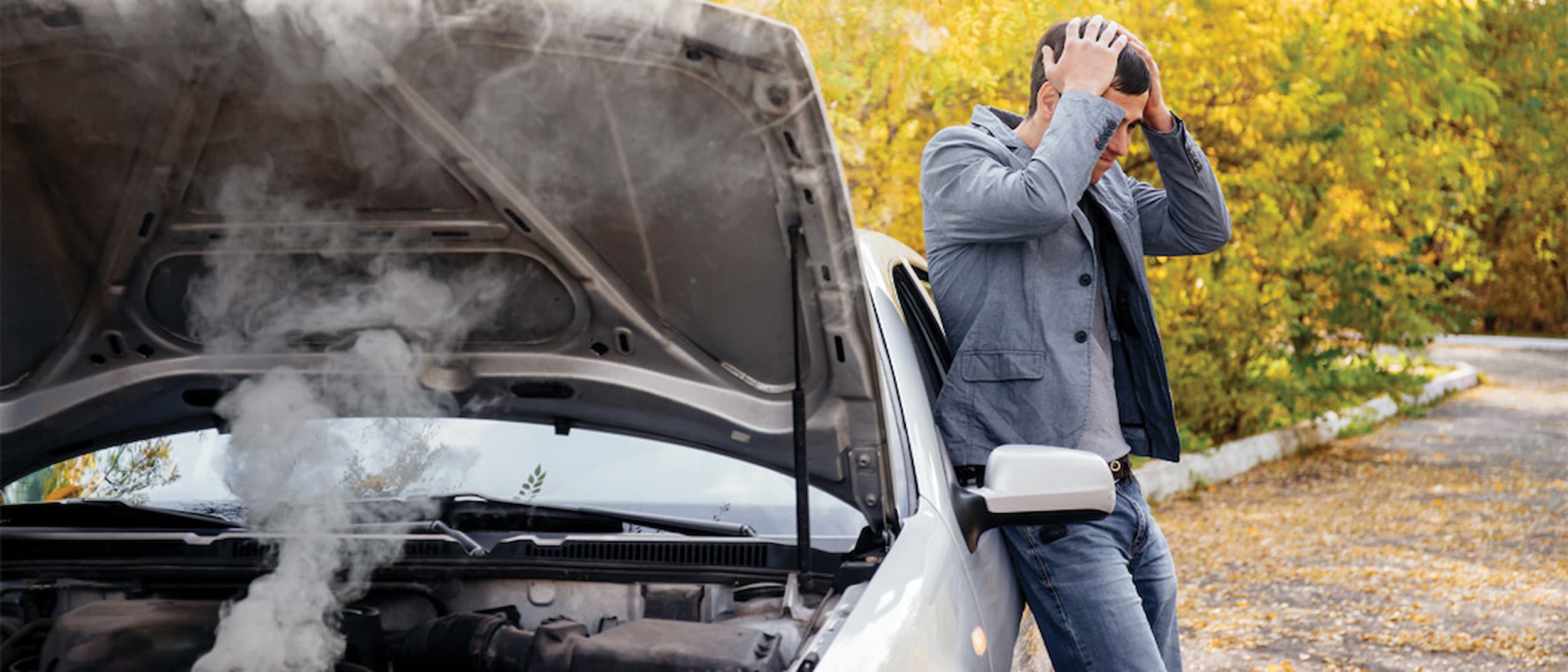
If your temperature gauge is spiking or you see steam rising from under your hood, your car is overheating, and you need to act quickly to prevent serious engine damage. Engine overheating symptoms can range from minor coolant leaks to major component failures like blown head gaskets. In this guide, we'll cover why a car may be overheating, common car overheating causes, what to do if your car overheats, and how to prevent costly engine damage.
Why Engines Overheat
It’s obvious that overheating is bad, but in order to really get a good understanding of why it happens, it helps to understand how a cooling system really works.
Your vehicle’s cooling system is responsible for keeping the engine at its optimal operating temperature. It does this by moving coolant through the engine to absorb the heat before dissipating it through the radiator. The parts include:
Radiator - The radiator is a series of tubes and fins that cool the hot coolant by dissipating the heat with the help of a cooling fan.
Water Pump - The water pump moves the coolant through the engine block, heater core, and back to the radiator so that it can effectively remove heat from the engine.
Thermostat - In vehicles, the thermostat is similar to the one in your house. It controls a valve that stays closed when the engine is cold to warm it up for use, but then opens to allow the coolant to circulate through the radiator when the engine heats up to operating temperatures.
Cooling Fan - The cooling fan pulls air through the radiator when the vehicle is stationary or moving slowly. This is an automatic function that turns on based on coolant temperatures.
Hoses - The hoses connect all of the components of the cooling system, allowing the coolant to flow through.
Heater Core - The heater core is a small radiator inside the vehicle that uses hot coolant to heat the cabin.
Overflow/Expansion Tank - This is a reservoir for extra coolant when it expands due to the heat. This helps maintain proper pressure in the system.
There are a lot of moving parts involved and each one is essential in keeping the cooling system functioning properly. If an issue pops up with one of them, the chances that the engine can overheat increase. Let’s examine some of the most common causes.
Common Causes of Overheating
Why is my car overheating you may ask? While there isn’t a one-size-fits-all answer, there are many reasons that could help narrow down where the problem is coming from. Some of the most common car overheating causes include:
Low Coolant or Coolant Leak
Coolant absorbs heat from the engine and cools down the radiator to maintain ideal operating temperatures. If the coolant in your vehicle is low, which can happen because of a leak or evaporation, there isn’t enough liquid to influence the engine temperature and cool it down. This leads to overheating.
Broken Thermostat
If the thermostat valve is stuck, the coolant can’t move through to the radiator as it is supposed to do. This will trap heat within the engine.
Radiator Issues
There are a few radiator overheating problems that can lead the engine to overheat. If there are any blockages, corrosion, leaks, or damaged fins in the radiator, it decreases its ability to cool the engine. If the radiator fan malfunctions, it could also cause heat buildup.
Water Pump Failure
The water pump moves coolant through the engine and radiator to cool it down. If the water pump wears out over time, it will prevent the coolant from moving through the system, leading to overheating.
Broken Belts or Hoses
The water pump and radiator fan both rely on a series of belts. If they break, the water pump or fan can’t move the coolant to circulate through the system. If there is a rupture in one of the hoses carrying coolant through to the engine and radiator, it can lead to potential engine damage from overheating.
Cooling Fan Malfunction
The cooling fan pulls air through the radiator to remove heat, specifically when the vehicle is moving at low speeds or is stationary in traffic. The fan can fail for a handful of reasons, like a bad motor, blown fuse, faulty relay, or wiring issue, which will lead the engine to overheat as a result. If the cooling fan has failed for a long period of time, it can lead to warped cylinder heads or even a blown head gasket.
Head Gasket Failure
The head gasket is between the engine block and cylinder head to keep coolant, oil, and combustion gases separate. If it fails, the coolant will leak into the combustion chamber or the oil system, or vice versa. This loss of coolant might bubble in the coolant reservoir, creating white exhaust smoke, or general contamination can cause the engine to overheat. Plus, with head gasket failure, the engine may misfire or lose power.
If you’re behind the wheel when your car starts to overheat, it can be an overwhelming experience. Knowing the right steps to take can be crucial in calming your nerves and addressing the situation. Let’s walk through what to do if your car overheats.
What If My Car Overheats?
If you see steam rising from your engine bay, don’t panic. It’s important to keep yourself and your passengers safe while also doing your best to avoid serious engine damage. Here what to do if you suspect your vehicle is overheating:
Pull over safely, regardless of whether your car is overheating on the highway or a side street. Once you’re parked far from passing vehicles, turn off the engine. Continuing to drive could lead to major damage, like a warped cylinder head or even a blown gasket, both of which will cost more to fix in the long run. Once you’re pulled over, put the vehicle in park and turn off the engine to prevent additional heat buildup.
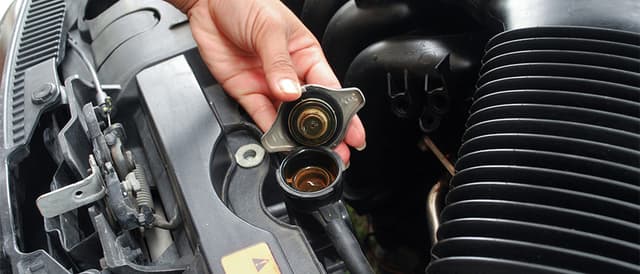
Do not open the radiator cap. When hot, the engine and coolant are under high pressure and can be at temperatures above 230°F (110°C). Opening the cap is a serious injury risk, as it could cause steam and boiling liquid to spray out.
Let the engine cool for at least 30 minutes before checking fluids or inspecting anything under the hood. Make sure to watch the temperature gauge and allow it to drop back down to a safe range. Take your time here. I know an overheating engine is inconvenient and can be nerve-wracking, but by moving too quickly, you put yourself at risk of injury.
When the engine is at a safe temperature, check the coolant reservoir, not the radiator. If levels are low, and you have coolant on hand, safely add it to the reservoir. Make sure only to do this when the engine is cool. Adding coolant while the engine is still hot can crack the engine. This will protect the engine until you’re able to make it to a repair shop.
Make your way to the closest mechanic. Keep an eye on the temperature gauge, and if it begins to overheat again, stop and call for help to come to you. If your car’s overheating but the coolant is full or you don’t have extra coolant on hand, call roadside assistance or a tow truck.
It’s important to take action and solve the problem as soon as possible to prevent any additional costly damage. If you do wait, there are some serious issues that can develop.
Risks of Ignoring Overheating
Overheating is one problem, but it can become a much bigger one if it isn’t quickly addressed. Here are a few engine overheating symptoms and how they can worsen if you procrastinate getting your cooling system inspected.
Warped Cylinder Head
Extra heat can cause the metal in the cylinder heads to expand, warp, or crack. This causes compression loss, misfires, and major oil/coolant leaks. Trust me, you’ll want to do your best to avoid this.
Blown Head Gasket
Overheating can crush or reshape the head gasket, which will mix the oil and coolant together. This will lead to internal leaks and severe functioning issues that are costly to fix.
Cracked Engine Block
The longer your engine is exposed to high temperatures, the more it can actually lead to the engine cracking. This creates significant fluid leaks and usually leads to a full engine replacement.
Damaged or Melted Seals and Gaskets
Seals and gaskets will deform with excessive heat, allowing leaks to form and potentially leading to other issues.
Piston and Valve Damage
With heat, pistons can expand and scuff against the cylinder walls while exhaust valves can stick closed. This typically results in internal scoring and loss of power.
Engine Detonation (Knocking)
When an engine overheats, this destabilizes fuel combustion and creates loud engine knocks that will destroy the pistons, rod bearings, and other key parts.
Fluid Leaks
Excessive heat can cause hoses to blow or radiators to rupture. As both of these house or transfer coolant, it can cause the coolant to leak out and contribute to overheating.
An overheating engine may not just lead to physical vehicle damage. You may also experience a dip or loss of engine performance, which shows up as sluggish acceleration, misfires, and trouble maintaining speed. Much of the damage that occurs will require major repairs or replacements. At the shop, we sometimes even recommend a full engine change. Plus, if the vehicle’s transmission pulls cooling from the radiator, overheating can also cause damage to the transmission system.
There are a number of ripple effects from not addressing overheating, but the good news is that most of it can be avoided with regular maintenance and good driving habits.
How to Prevent Overheating
The best way to prevent overheating is to follow a routine maintenance schedule by closely monitoring the manufacturer’s recommended service intervals. Inspecting and replacing coolant levels, while also checking on the hoses, belts, radiator, thermostat, and water pump, will keep the cooling system in good shape and prevent a buildup of contaminants.
Keep a close eye on the belts and hoses of the cooling system. As soon as you begin to notice any signs of wear, such as cracks, leaks, or looseness, it’s time for a replacement. While you’re in there, be sure to also remove any dirt or debris on the radiator or cooling fins. This will prevent any obstructions from successfully dissipating heat.
Keep an eye on your temperature gauge to prevent the engine from reaching temperatures that exceed the manufacturer's recommendations. Other basic tips include parking in shaded areas, managing the AC and heating, and changing your oil on a regularly scheduled interval.
Check out our Oil Change Hub for more clarity on when to schedule your next oil change. With all of this in mind, you’ll be able to keep your engine running in peak condition.