When to Replace Your Brake Pads: Signs, Mileage & Tips
By Tracy Fetters
Published 09/12/2025
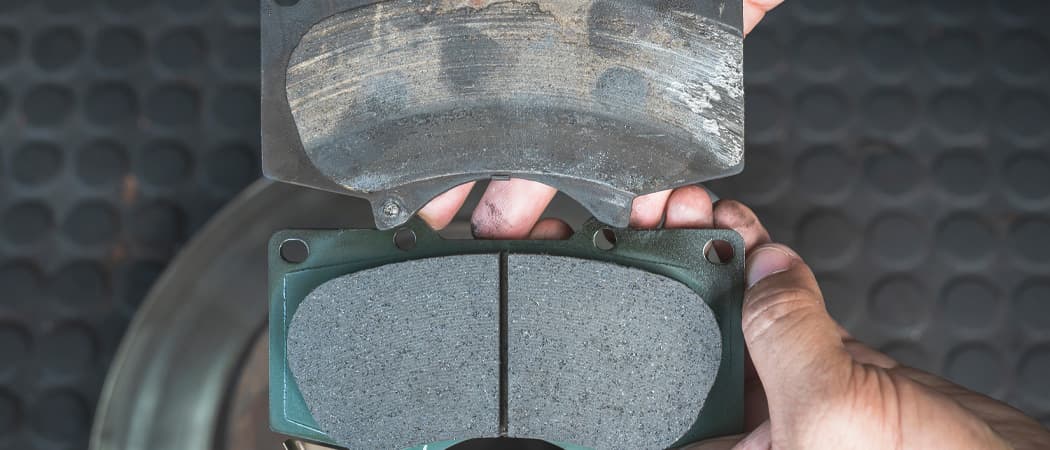
In the world of vehicle safety, there aren’t many parts that are more important than brake pads. These often overlooked components take the worst of the punishment from daily driving: stop-and-go traffic, downhill driving, quick turns, and sudden stops. Brake pads are tough, but over time they naturally and quietly wear down.
Starting to notice a subtle squeal? Or is it taking a few extra feet to stop? These small changes are your brake pads trying to tell you something. Noticing these signs early (so you can make an appointment for brake service) will help you avoid expensive repairs down the road, as well as keep you safe in all different driving conditions.
Let’s walk through the things that every driver should know about brake pads, including how they wear, what to expect from their performance, and what brake replacement service looks like.
Quick signs your brake pads might need replacing:
Squealing, screeching, or chirping when braking
Grinding noises or metal-on-metal contact
Vibration or pulsing in your brake pedal
Longer stopping distances
Brake warning light on the dashboard
Car pulling to the side when braking
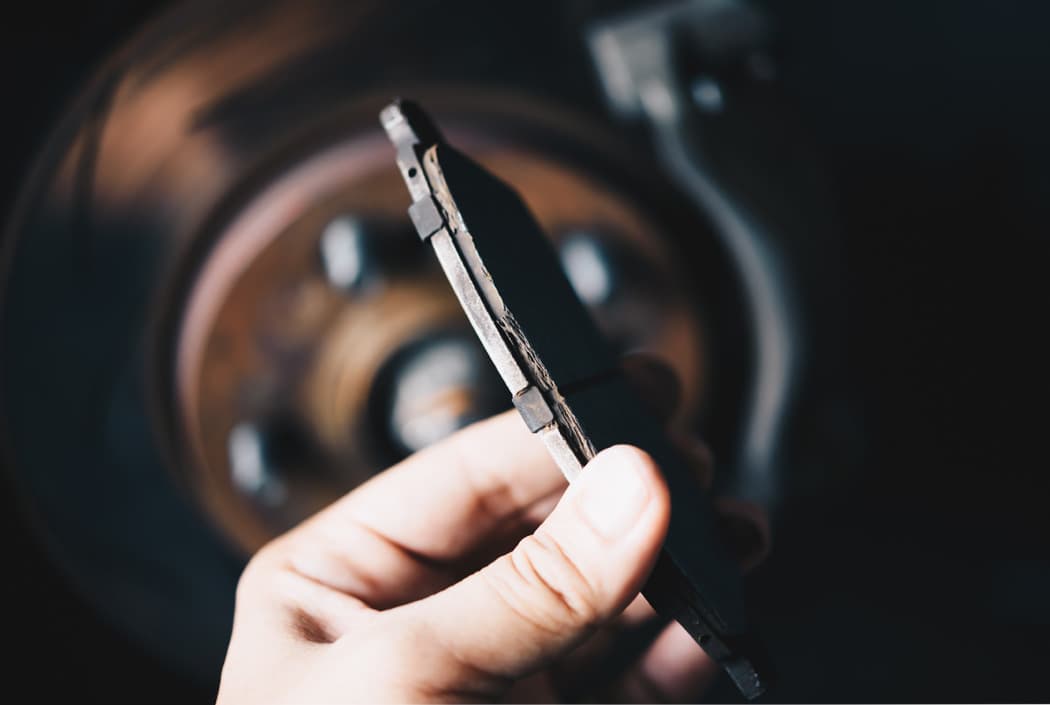
Brake pads look thin (4mm or less, this qualifies for most brakes pads as too thin)
Once your brake pads are worn 80% or greater, we recommend replacement.
What are brake pads and what do they do?
Brake pads are the parts that press against your vehicle’s rotors to create friction, to slow down or stop your car. When you push the brake pedal, hydraulic fluid pressure makes the calipers clamp the brake pads against the spinning rotor that is attached to each wheel. The friction from this contact slows the wheel down, and the vehicle along with it.

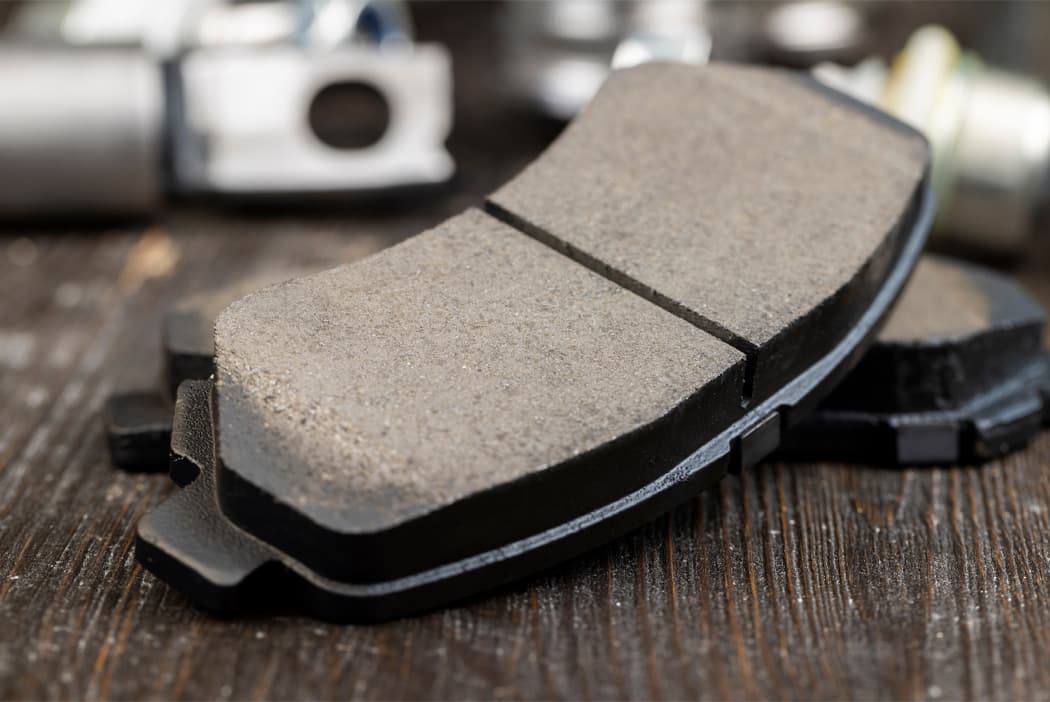
Because of this constant friction, brake pads gradually wear down over time. Depending on your driving style and what conditions you usually drive in, brake pads can last anywhere from 30,000 to 70,000 miles. Keep in mind that this is a general estimate, tires have the ability to last for longer or shorter, so don’t rely purely on this range. But remember - waiting too long to replace them can lead to serious safety risks, like increased stopping distances and rotor damage.
Disc Brakes vs. Drum Brakes: What’s the Difference?
To start, it’s important to understand what type of brakes you have on your vehicle. Most modern cars and trucks use disc brakes on the front wheels, and many also use them on the rear. There are some vehicles that still use drum brakes in the rear - this is more common in smaller cars or trucks to improve fuel efficiency.
Here’s a quick breakdown:
Disc brakes use pads and rotors, as described above. When you brake, the pads (which are held by the calipers), squeeze the rotor like a clamp.
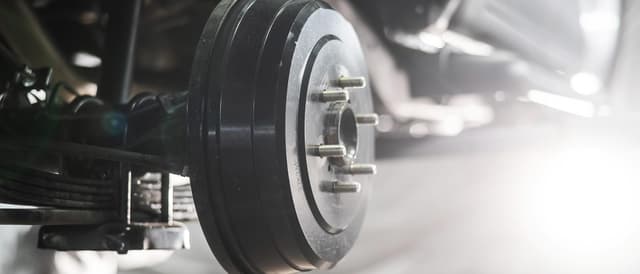
Drum brakes, on the other hand, use shoes and a drum. When you push the brake pedal, hydraulic fluid pressure pushes the shoes outward to press against the inner drum surface, causing the wheel to slow.
Because of their design, disc brakes are usually more accessible and easier to service. Drum brakes, because they are in a more closed system, can be tougher to inspect and replace. But both types still rely on consistent brake pad or shoe health to work, and to stop your vehicle safely.
Top 6 Signs Your Brake Pads Need to Be Replaced
Knowing how to spot the early signs of brake pad wear can help you avoid more serious and expensive repairs later. Here’s what you should watch for:
1. Squealing or Screeching Noises When Braking
That high-pitched sound you hear - a squeal, chirp, or screech - is actually designed to alert you when your brake pads are getting close to the end of their lifespan. The noise is made by a built-in wear indicator that is built right into the brake pad.
2. Longer Stopping Distances
If you’re starting to notice it takes longer for your car to stop, especially in dry, normal conditions, that should be a warning flag. Worn brake pads reduce friction, which impacts your stopping ability.
3. Vibration, Pulsation, or Shuddering When Braking
A shaky steering wheel, vibrating brake pedal, or shuddering when you brake, are clear signs of warped rotors or uneven pad wear. Both of these will need the attention of a qualified mechanic.
4. Grinding Noise
If you hear grinding noises from your brakes when you stop, your pads could be completely worn through, and it’s likely you’re hearing metal-on-metal contact. This can quickly damage your rotors and lead to more expensive issues with your rotors and calipers.
5. Brake Warning Light
Some vehicles have a dashboard light that is tied to a monitor for brake pad thickness or hydraulic issues. If you notice that the light is on, don’t wait. Get it checked out immediately by a qualified mechanic.
6. Pulling to One Side When Braking
If you feel your vehicle pulling to one side when you brake, this can be a sign of several things: uneven wear, a stuck caliper, or even a suspension issue. But it’s always worth inspecting the brakes first, at a professional auto service center like Mavis.

How Driving Habits Affect Brake Life
Depending on how, where, and what vehicle you drive, brake pads wear differently. Here are some factors that can shorten or extend the lifespan of your brake pads:
City driving involves constant stopping and starting, which will wear pads more quickly than steady highway driving.
Aggressive braking (slamming your foot on the pedal) rapidly increases heat and friction, and that accelerates brake pad wear.
Downhill driving puts extra pressure on the entire braking system, especially if you’re riding the brake pedal the whole way down.
Weight and load play a role, too. Heavier vehicles towing trailers need more braking power and force, which will lead to faster brake pad wear.
When Should You Replace Your Brake Pads?
There’s really no one-size-fits-all mileage to point at for brake replacement, but a solid rule of thumb is to have your brake system checked every 10,000 to 15,000 miles, and to have your pads replaced every 25,000 to 50,000 miles. This range also depends on driving conditions, brake pad material, and your vehicle type.
At Mavis, we recommend replacing your brake pads around the 30,000-mile mark, or sooner if you notice any of the signs above.


What Happens If You Wait Too Long?
If you wait too long to replace your brake pads, you’re risking a costly set of repairs down the road, and you’re putting yourself and others on the road at risk. Worn brake pads impact your stopping distance, and they can cause damage throughout your whole brake system, including:
Scored or warped rotors that need expensive resurfacing or full replacement
Stuck or overheated calipers from uneven pad pressure and metal-on-metal
Reduced brake fluid pressure from having to put extra force on the pedal
Loss of brake response, especially in emergency stops
If you’re hearing metal-on-metal grinding, or you’re noticing reduced braking power - don’t wait! The longer you drive on worn pads, the more expensive the repair can get, and the higher the risk to yourself and other drivers and passengers on the road.
When to Get Your Brakes Inspected
Even if you don’t hear a squeal or feel vibrations in your steering wheel, regular brake inspections are a habit to get into. We recommend having your brakes checked:
Every 6 months (often during tire rotation or oil change)
Before and after long road trips
Anytime you notice unusual sounds or changes in brake feel
If you’ve driven over 10,000 miles without having them checked
A quick inspection can help to identify issues before they become safety concerns, and it can help extend the life of your pads, rotors, and your entire braking system.
Schedule a brake inspection today and drive away with the confidence that your vehicle is ready to stop when it matters most.