What Does the Oil Filter Do, and How Does it Work?
By Tracy Fetters
Published 08/15/2025
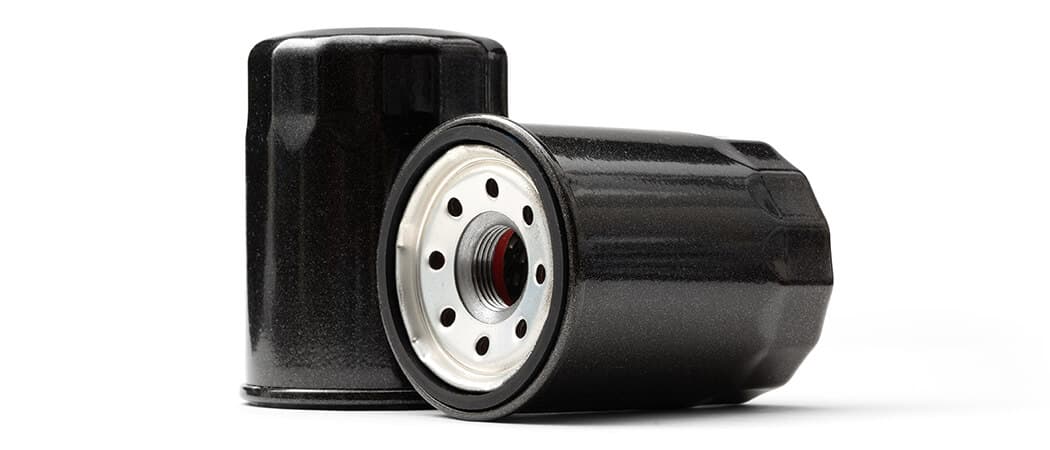
The oil filter plays a quiet but important role in the health of your engine. Without filtration, dirty oil would circulate freely, increasing friction, clogging up passageways, and generally shortening the life of your vehicle. Whether you’re due for an oil change or just curious about how the oil filter works, this guide covers:
What your oil filter actually does - and why it is important to the life of your engine
How oil filters work behind the scenes, including the role of the bypass valve and the filtering medium.
Warning signs of a clogged or failing oil filter, from your dashboard warning lights to strange engine noises.
When and why to replace your oil filter - every oil change matters.
How to choose the right oil filter, including what to ask your Mavis tech, and what to check in your manual.
Common oil filter FAQs, from cost to compatibility.
By the end, you will know exactly what your oil filter does, when you should change it, and how you can avoid expensive engine damage.
What is the Purpose of an Oil Filter?
The function of the oil filter in engine performance is to remove dust, debris, sludge, and metal particles from the oil in your vehicle’s engine system. Sludge is a mix of degraded oil, water, and various particles. The oil filter keeps your engine’s oil clean, leading to longer engine life and more consistent performance. Other benefits include:
Reduced Engine Wear:
When oil is contaminated with different types of particles, it can damage engine components over time by increasing friction and causing unnatural wear.
Increased Engine Efficiency:
Clean oil flows more easily through your vehicle, providing better lubrication for the essential mechanical parts. It also reduces friction between the different components of the engine and brake lines while regulating and efficiently dissipating heat.
Oil Build-Up and Sludge Prevention:
The oil filter catches sludge, dirt, and other debris while allowing the clean oil to power your engine. Preventing this buildup of unwanted particles allows your engine to function smoothly, thanks to the reliable oil flow.
Engine Life Extension:
By staying consistent with your regular oil filter maintenance, you will support engine longevity and reduce the likelihood of engine damage.
How Do Oil Filters Work?
Oil begins its journey in the oil pan, a reservoir where used oil collects after going through the engine. From there, it’s pushed by the oil pump through the oil filter, which is a critical checkpoint that traps dirt, debris, metal shavings, and sludge before clean oil reaches the moving components inside of your engine.
Inside the filter is a filtering medium, which is usually made of synthetic fiber or cellulose. This material is folded into pleats to increase the surface area - this lets it catch microscopic contaminants while still letting oil pass through it freely. Think of it like a very fine mesh net that screens out unwanted particles without slowing down the flow of the oil.
As oil pressure builds, a spring-loaded bypass valve acts like a backup safety system. If the filter becomes clogged (from waiting too long between oil changes or running very dirty oil), this bypass valve opens. This lets unfiltered oil continue reaching your engine so it doesn’t suffer from oil starvation. This does keep your engine lubricated in the short term, but it also lets dirty oil keep circulating. This is a sure sign that the filter needs immediate replacement.
Some filters also have what is called an anti-drainback valve, which prevents oil from draining back into the oil pan when the engine is turned off. This helps make sure that oil pressure builds up quickly on the next startup, especially in cold weather, or in high-mileage engines.
To sum it all up - the oil filter quietly performs a very important function every time you start your vehicle. It catches harmful debris and particles before they cause wear, it keeps oil flowing freely, and it acts as a safeguard when things go wrong. It's one of the smallest and least expensive parts of your engine - but without it, your engine wouldn’t last very long at all.
Signs it’s Time for a New Oil Filter:
You may not see your oil filter, but when something’s wrong, your engine has a way of letting you know. Here are the most common clogged oil filter symptoms:
Decreased oil pressure:
A lot of vehicles nowadays have a tool on the dashboard called the oil pressure gauge. This reports a gradual or sudden drop in oil pressure, which is a telltale sign that there is a filter blockage that needs to be addressed.
Engine noise:
Have you ever noticed a ticking or metallic crackling sound coming from your engine? When your vehicle has restricted oil flow, this will create unwanted friction, causing the components to grind against each other. This ticking or knocking sound will occur most often when you begin to pick up speed or if the engine is cold.
Dirty exhaust smoke:
While smoke may not be an indicator of fire in this instance, it’s definitely not a good sign. Unwanted contaminants that aren’t caught by the oil filter need somewhere to go, and they end up being filtered out through the exhaust in the form of blue, brown, or black smoke. This may also create an unsavory smell of burning oil from the exhaust or beneath the hood of your car.
Oil leaks or filter deformation
Oftentimes, when you have gone too long between maintenance checks, there will be a pressure buildup from a blockage in the oil filter caused by collected debris and sludge. This will cause the filter casing to lose its shape and leak around the seals, or even burst. It’s also possible to have a collapsed filter element, which typically happens along with a stuck bypass valve or serious restriction of oil flow.
Warning lights
The most common and simplest way to identify an issue with your oil filter is when the oil pressure or check engine lights begin to flash on your dashboard. The oil pressure light will illuminate when your oil pressure dips below the safe limitations, which will most likely happen as a result of a clogged filter. The check engine light may activate if the engine control unit senses abnormal oil pressure or oil flow.


Risks of Not Replacing the Oil Filter
Skipping the replacement of your oil filter can lead to all kinds of wear and tear. A compromised oil filter will allow dirty oil to circulate to your engine and lead to accelerated deterioration. It could lead to overheating, as well.
Oil starvation, another major risk when you don’t replace your filter, is when the oil supply is completely cut off. This can lead to engine failure. The financial consequences of ignoring this basic maintenance requirement far outweigh the time you will spend at your local service center for a simple oil filter change.
Choosing the Right Oil Filter
Choosing the right oil filter may seem overwhelming, but your local Mavis technician is here to help. To start, you should always follow your owner’s manual and the vehicle manufacturer’s recommendations. The filter size and type that you’ll need will be outlined in your owner’s manual, to match your engine’s specifications.
You should also consider your driving habits, and the types of conditions in which you drive. Certain extreme environments and conditions may require you to have a better oil filtration system.
The type of filter and its quality also matter. Make sure that you are purchasing an oil filter from a reliable and veritable source - your local Mavis is a great place to start!
Regular maintenance goes a long way, and that includes your oil filter. Stop by your local Mavis for your next oil change, and leave knowing your vehicle’s engine is protected.
Oil Filter Maintenance FAQs
Read Next


Our in house tire experts are always available to help you find a great tire.

Our in house tire experts are always available to help you find a great tire.