The Maintenance of a Car Braking System
By Mavis Tire Team
Published 03/16/2025
Understanding the Brake System
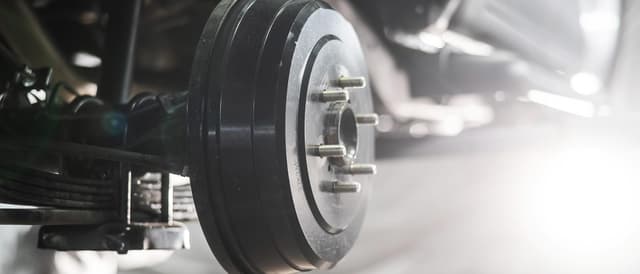
Today’s vehicles are equipped with brakes located on all four wheels. Typically, there’s disc brakes on the front and either disc or drum brakes on the rear. A vehicle’s front brakes proportionally provide most of the stopping power as the vehicle’s weight shifts forward during braking.
When the brake pedal is depressed the master cylinder provides pressure by directing brake fluid through additional components that proportionally control the amount of brake fluid delivered to each wheel. These components typically are proportioning valves or most common on today's vehicles; ABS (anti-lock brake) systems. It’s then delivered through brake lines and hoses to the calipers or wheel cylinders. When fluid is directed here it activates the caliper or wheel cylinder to press the brake pads or shoes against the rotor or drum at each wheel. This friction causes the vehicle to slow down or come to a complete stop.
What About Brake Fluid?
Brake fluid is hygroscopic, so it not only absorbs moisture, but also attracts it.
A major part of brake system maintenance is flushing the system. Mavis recommends brake flushes at 30,000 miles, or sooner, based on the manufacturer’s recommendation. This preventative service helps extend the life of the brake system due to removing the contaminated fluid prior to affecting other components as it deteriorates.
Flushing brake fluid on a scheduled interval is much like changing used engine oil before it causes damage to the engine!
Recognizing the Signs of Bad Brakes
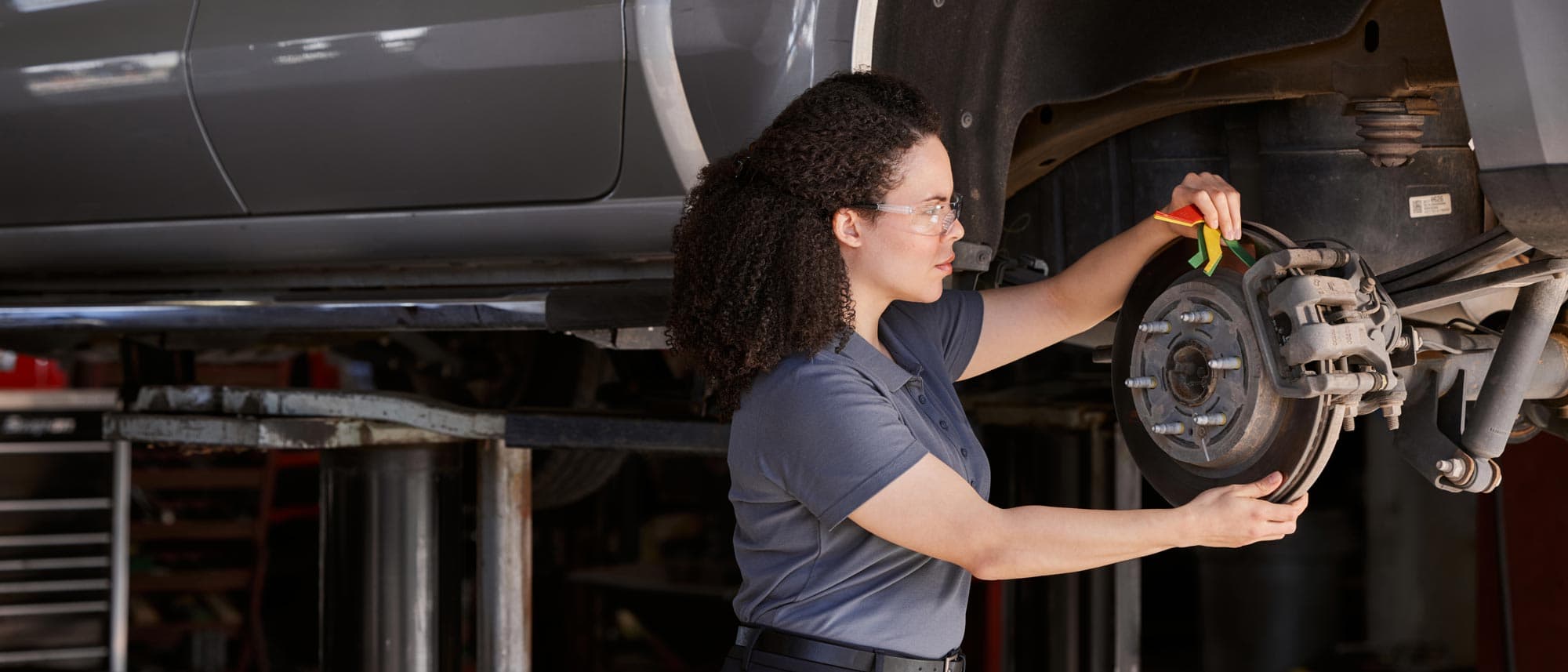
The most common signs of a vehicle's brake system in need of service are noises, shudder or vibrations when applying them. Unusually abrupt or slow braking can also be an indicator of a potential problem in the brake system. Anytime you have any of these symptoms or visible signs of a brake fluid leak, seek guidance by having them properly inspected.
Recognizing the Influence of External Factors
Weather can be a factor when having to brake suddenly. Drivers should always practice safe braking and stopping distances in inclement weather. This includes recognizing weather conditions that can impact driving ability. Another major influence on stopping distance is tires! Tires work in conjunction with the brake system and largely determine how effective your brakes are. Your tire's ability to adhere to the road in rain, snow or ice is limited; especially when worn. Always ensure your tires are in the best condition to allow your brakes to perform properly!