Why It's Bad to Overinflate Your Tires
By Mavis Tire Team
Published 02/28/2025
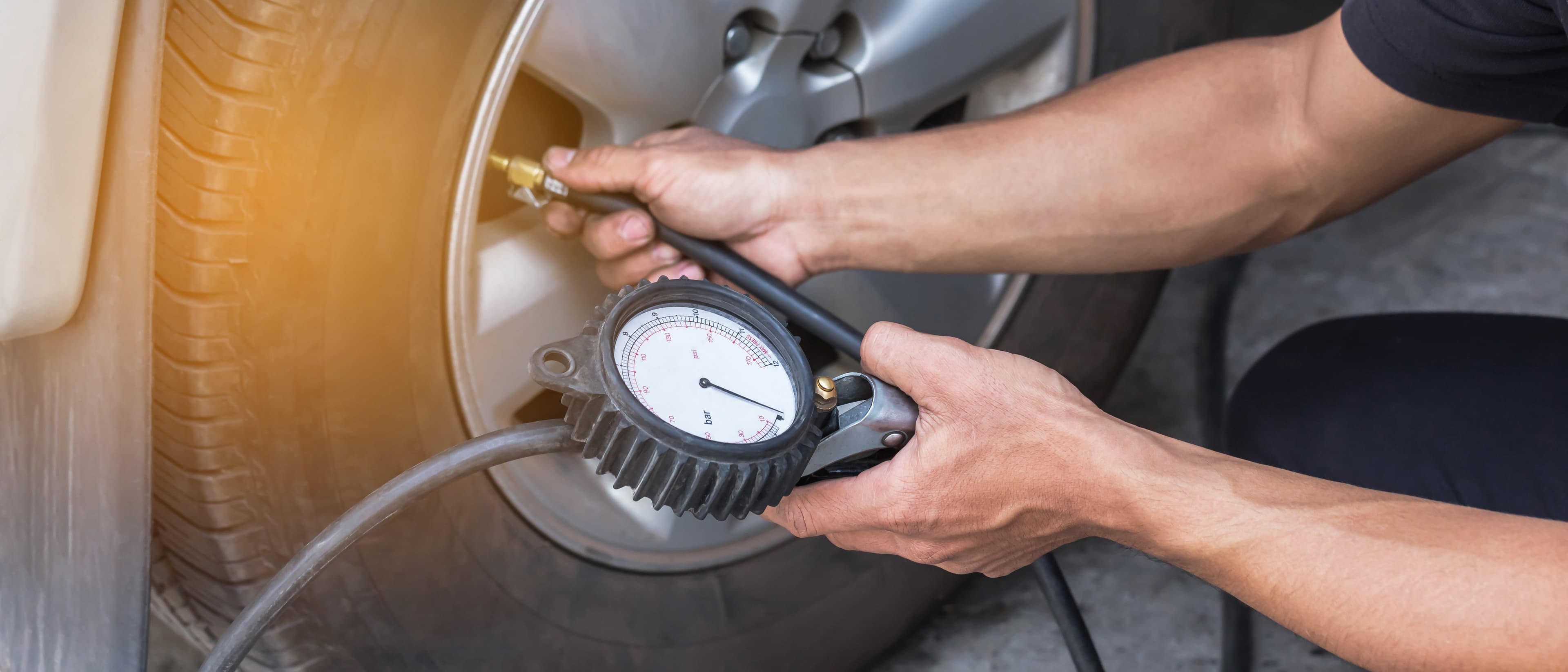
Driving on overinflated tires can damage your car and be dangerous for you, your passengers, and other drivers. Learn how to get the most out of your tires with our tire care tips and dive in below to learn more about what happens when you overinflate your tires and discover what you can do to restore proper tire inflation.
Why you shouldn't over-inflate your tires
1. Overinflation of tire air pressure can be dangerous.
When a vehicle’s tires are overinflated, the vehicle’s weight loses even distribution across the tire-to-road contact patch, and the ride of the vehicle will be rougher and harsher. The vehicle will experience reduced traction, spinning out, or even a collision on the road. Meanwhile, under-inflated tires can cause premature tread wear from increased friction. If you are guilty of filling your tires with more or less pressure than desired, consider checking your tire tread depth.
2. Overinflation of the tires could very well damage them.
Overinflated tires create tire wear faster in the center of the tread and will bulge out with too much air. The center of the tire will carry more of the vehicle’s weight than the edges. Uneven wear is never good for your tires and can also make the tire more prone to blowouts. Overinflating pressure may be subject to more damage from potholes and road debris because car tires don’t flex as much as they normally should when overinflated.
How to avoid overinflating your tires
1. How to find the tire pressure specs for your car or truck
On newer models of cars and trucks, the recommended tire pressure is probably listed on a sticker inside the driver’s door. If there’s no sticker on the door, you can usually find the air pressure specs in the owner’s manual.
*Interesting Note: Do not inflate your tires to the air pressure listed on the tire. That number is the maximum pressure the tire can hold. The tire pressure on the door placard or owner’s manual is the proper tire pressure.
This can be confusing and complicated, but we try to make it easier to understand with our tire pressure guide, which teaches you everything you need to know and more.
2. How to properly inflate your tires
Check tire pressure when the tires are cold (be sure the vehicle has been sitting overnight or at least parked for a couple of hours). Heat is generated from the rolling resistance of the tires on the road, increasing not only the temperature of the tire but also the air pressure.
Here are some easy steps to inflating your tires:
Park your vehicle close to the air dispenser
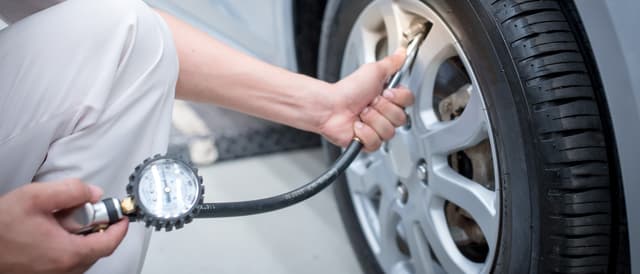
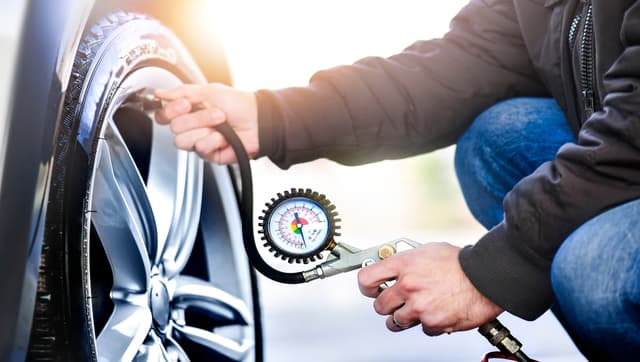
Remove the valve stem caps from each tire. Use your tire pressure gauge to check the air pressure.
If the pressure is low, begin by adding air with the hose.
Stop periodically to ensure you haven't overinflated. If you do, release some air and check your pressure gauge until you reach the proper amount.
Reinstall tire valve stem caps once you've filled your tires to the correct tire pressure levels.
Take the Pressure Off and Enjoy the Ride with Mavis!
The experts at Mavis, who have been helping customers with new tires, under-inflated tires, overinflated tires, and flat tires for more than 70 years, know their tires. Whether you need help with the recommended PSI for your tires, tire tread, or TPMS, we are here for you. Mavis also offers a full suite of auto services, let us ease your stress with meticulous and painstakingly detailed attention to your vehicle’s needs to get you back on the road. Visit your local Mavis or schedule an appointment with us online.
Read Next
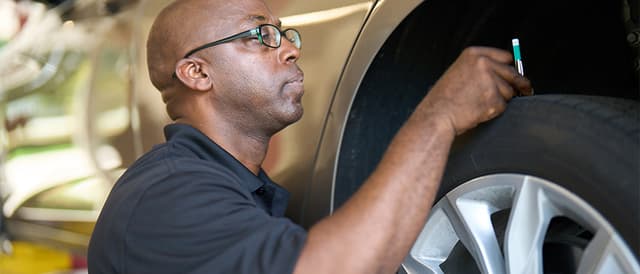
Our in house tire experts are always available to help you find a great tire.

Our in house tire experts are always available to help you find a great tire.